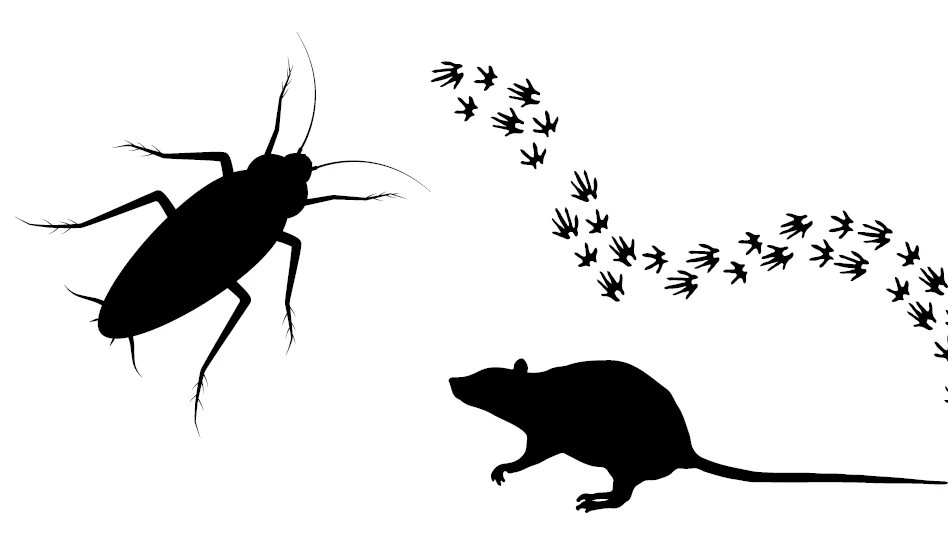
Rodent control requires a moat approach, creating a multi-barrier perimeter — a Mission Impossible-style obstacle course. This strategy helps deter mice and rats from finding their way into a facility or near key exterior spaces like loading docks and waste receptacles.
“We look at everything going on around the building, identifying where rodents could enter,” said John Harvey, commercial sales division manager, Truly Nolen, Orlando. “Frontline decisions are important to mitigate pest pressure.”
Working from the outside in, Harvey and his team treat facilities as if they were castles.
“You have your border defense, your rodent bait stations up against the building, and interior traps and snap traps in certain areas,” he said. “This way, a rodent has to go through layers of control before reaching the building.”
Here’s a look at how QA professionals are managing rodent pressure in food and beverage facilities, and the technologies they’re deploying to get the job done.



Explore the July/August 2025 Issue
Check out more from this issue and find your next story to read.
Latest from Quality Assurance & Food Safety
- Ajinomoto Foods Recalls Products Due to Potential Glass Contamination
- Grubhub Introduces Drone-Powered Food Delivery Program
- FSIS Releases 2025 Foodborne Illness Outbreak Investigations Report
- EWG Analysis Flags 111 Ingredients Added to Foods Through GRAS
- FDA Releases Risk Assessment of Foodborne Illness from Produce with Untreated BSAAO
- Catalyst Food Leaders Announces 2026 Virtual Leadership Summit
- FDA to Hold Public Meeting on Dietary Supplements
- USDA Partners with Army Corps on New World Screwworm Sterile Fly Production Facility