Is everyone on the same page?
This is the question QA managers and leadership at food and beverage processing facilities should be asking when reviewing IPM protocols, SQF and FSMA requirements and preventive controls. This alphabet soup of running an efficient, clean, pest-free facility calls for partnership and detailed understanding of how each player in the supply chain operates with integrity.
Hal King, Ph.D., managing partner of Active Food Safety and founder/CEO of Public Health Innovations, a public health strategy and design company, has worked in CDC investigations and is former director of food and product safety at Chik-fil-A. He chatted with QA about food safety, supply chain vulnerabilities and building protocols from the ground up.
QA: What supply chain vulnerabilities could expose food and beverage facilities to pest pressure, despite internal control efforts?
Hal King: If a processor is ordering product from manufacturers, they go through a supply chain to get to distributors, and distributors usually have large warehouses that funnel through various foods, liquids and packaged products, ready-to-eat and bulk. That one distribution center could affect hundreds of facilities that impact millions of consumer transactions. You can imagine the business impact if there is a safety red flag like a pest sighting.
Often, we neglect the warehouse QA side of the equation, where products are stored. And in those facilities, there can be high turnover, especially in the summertime and with temporary staffing or part-time jobs. Those employees might not be updated on protocols or get the training and tools they need.
Other times, standard operating procedures (SOPs) are not updated and warehouse standards for pest control need to be re-established.
The bottom line is, there are many players involved in the supply chain that QA managers at processing facilities need to engage for an aligned, collaborative approach to food safety and IPM.
QA: How can companies get their people to “own” food safety and understand its impact on operations?
HK: There has to be some accountability, and that is most effective through incentives. For example, if an employee or team is checking all the boxes and there are no pest sightings or incidences or reports of tampered product, employees on that shift should be rewarded financially. It gives them something more to work for beyond their wages.
We want to work for people who care and show they care by providing the necessary tools. The CDC recently did a study in restaurants and showed that without providing employees with the right tools, they basically give up. So first, give them the tools and the structure and program, then hold them accountable and reward them for success.
QA: For QA managers building protocols from the ground up, where to start?
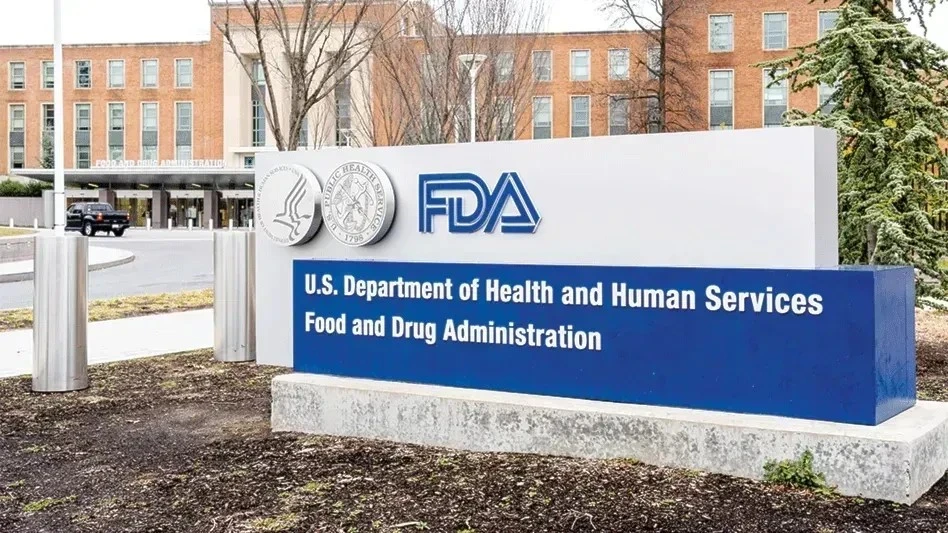
HK: You don’t have to start from scratch. The best science of prevention is based on FDA Food Safety Modernization Act (FSMA) protocols, and those guidelines are very specific. They include sanitation to prevent pest attraction, water exclusion and a list of specifications for food processing, warehouse safety and pest control.
Make sure you’re following those checklists. Many times, warehouses haven’t been inspected by the FDA because their focus is on food processing, and they might neglect to put these best practices in place. But, when they get a 483 letter (preliminary notice of violations), they could be shut down, and the situation gets serious.
The FSMA standard is very strong, and while it’s always wise to go beyond compliance, if you do not have a program in place, this is the standard and where you should start.
From there, align with your supply chain partners and share your food safety protocols. Tour their facilities, request documentation of their guidelines and understand how they are preventing pest exposure and maintaining a high-integrity environment.
Explore the July/August 2025 Issue
Check out more from this issue and find your next story to read.
Latest from Quality Assurance & Food Safety
- Ajinomoto Foods Recalls Products Due to Potential Glass Contamination
- Grubhub Introduces Drone-Powered Food Delivery Program
- FSIS Releases 2025 Foodborne Illness Outbreak Investigations Report
- EWG Analysis Flags 111 Ingredients Added to Foods Through GRAS
- FDA Releases Risk Assessment of Foodborne Illness from Produce with Untreated BSAAO
- Catalyst Food Leaders Announces 2026 Virtual Leadership Summit
- FDA to Hold Public Meeting on Dietary Supplements
- USDA Partners with Army Corps on New World Screwworm Sterile Fly Production Facility