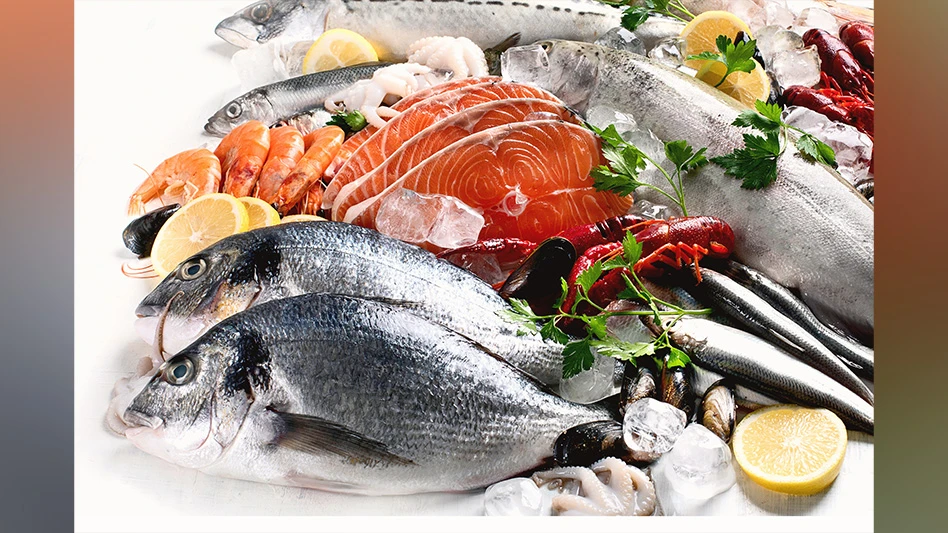
Photo: Adobe Stock | bit24
Rome – Fish fraud, in a variety of guises, is widespread in markets around the world, and there are a growing number of tools to combat it, according to a new report published by the Food and Agriculture Organization of the United Nations (FAO).
“Food fraud in the fisheries and aquaculture sector,” produced by FAO through cooperation between its Fisheries and Aquaculture Division and the Joint FAO/International Atomic Energy Agency Centre of Nuclear Techniques in Food and Agriculture, offers a portrait of the complex field of fraud and a review of how novel analytical techniques can help detect it.
FAO said there is no official estimate of how prevalent fraud is in the $195 billion global fisheries and aquaculture sector, but empirical studies suggest that 20 percent of the trade may be subject to some type of fraud, notably higher than for meat and fruits and vegetables, largely due to the vast diversity of species in the sector.
Fish fraud is defined in the report as “a deliberate practice intended to deceive others” and, depending on the type of deceit it can pose risks to biodiversity, human health or economic systems. The organization said the main categories of fish fraud are:
- Adulteration, like adding coloring to make tuna look fresher.
- Counterfeit, like using imitation shrimp made from starch-based compounds.
- Simulation, like packaging surimi to seem like crab meat.
- Diversion, like distributing legitimate products outside of their intended markets.
- Misbranding, such as incorrect claims about sustainability.
- Overrun, involving overfishing.
- Species substitution, such as selling tilapia as red snapper.
- Tampering and mislabeling, including origins and even expiry date.
- Theft
The report advocates for harmonized labelling requirements, the mandatory inclusion of scientific names where possible and better traceability systems. The use of advanced techniques ranging from enzyme-linked immunosorbent assay, stable isotope analysis and nuclear magnetic resonance can be effective, although not available to all, while portable X-ray fluorescence and machine-learning models are innovations that can aid regulation.
The evidence base
The organization said although thousands of fish fraud studies have been carried out, demonstrating the widespread nature of the problem in every continent except Antarctica, there are no solid baseline studies to estimate its prevalence. The global scale of fish consumption, targeting over 12,000 seafood species, the diversity of fraud types, and the lack of standardized regulatory or legal definitions of fraud, make global estimations difficult to obtain FAO said.
However, some studies suggest that up to 30 percent of seafood products may be mislabeled in restaurants, and the report cites cases from around the world, from ceviche stands in Latin America and seafood eateries in China to canned tuna products in the European Union. FAO said while as much as a third of aquatic products sold in the United States may not be what is written on the packaging, less than one percent of imports are tested.
The human welfare risks of some seafood fraud are evident, as some fish pose risks when eaten raw, while re-freezing seafood increases the risk of bacterial growth. However, economic incentives are the most widespread driver of fish fraud, FAO said. Selling Atlantic salmon, almost all of which is farmed, as Pacific salmon, most of which is wild caught, delivers a nearly $10 benefit per kilogram. Farmed seabass branded as local to Italy sells for two to three times as much as the same fish originating from Greece or Turkey, and even more if sold as wild-caught. Adding water to unprocessed fishery products to bolster weight and price is another common practice, also widespread in land-based meat production.
The organization said some fish fraud is done to mask the geographic source of a product or to suppress evidence of above-quota landings. Such practices may pose risks to the sustainability of fishery stocks.
Tools and initiatives
FAO said given its complexity, identifying fish fraud is not straightforward, but the report goes into considerable detail about how advances in science can contribute to tackling fraud. A standard method to determine whether and how many times a seafood product has been frozen has so far proven elusive, but differences in the fatty-acid composition of wild and farmed fish may be used to detect fraud, as well as carbon and nitrogen ratios to determine the geographical origin of major commercial fish species.
The report also reviews several concerted efforts to tackle cases of suspected fraud in Italy, and Argentina and the United States of America.
An investigation using DNA-barcoding to assess the scale of mislabeling in Los Angeles, California found that while it is quite low in processing plants, it is moderate among grocers, and particularly prevalent in sushi restaurants, FAO said. At the same time, retail-level mislabeling was rare for tuna, albacore and salmon, but common for red snapper and halibut. A local initiative, partnering academia, industry and government stakeholders, managed through an education campaign coupled with ongoing blind tests, managed to reduce seafood mislabeling in the focus area by two-thirds over 10 years.
The organization said prevention and enforcement, with the active participation of the private sector, is critical to reduce and eventually eliminate fish and all food fraud. FAO and the Codex Alimentarius Commission are working on developing international standards to combat food fraud, while FAO through the Joint FAO/IAEA Centre offers technical support to Members that need to bolster their testing capacities.
Latest from Quality Assurance & Food Safety
- Oracle Offers New Capabilities in Supply Chain and Manufacturing
- USDA Opens Sterile Fly Dispersal Facility in Texas
- USDA FSIS Establishes Consumer Safety Inspector Training Leader Position
- Cameron Prince Breaks Down Canada’s Food Safety Landscape Amid Trade Tensions
- Barry Callebaut Opens Global Innovation Center in Singapore
- AFDO Opens Registration for 2026 Annual Educational Conference
- IFT Webinar to Examine the Impact of GLP-1s on Product Design and Development
- SQF Institute Announces Excellence Awards Finalists