Adobe Stock | MarketingShotz
WASHINGTON, D.C. — The United States federal government shut down Oct. 1, after lawmakers were unable to come to an agreement on a bill that funds the government, sending ripples throughout the food safety industry and limiting activities from the U.S. Department of Agriculture (USDA) and U.S. Food and Drug Administration (FDA).
Both Republican and Democratic proposals that would have funded the government failed in the Senate Sept. 30, shutting down the government at 12:01 a.m. on Wednesday.
Since a funding lapse has occurred, federal agencies are required to shut down activities funded by annual appropriations that are not excepted by law, and to furlough nonexcepted employees, according to guidance released by the U.S. Office of Personnel Management (OPM) Sept. 28. Excepted employees, including those who perform “emergency work involving the safety of human life or the protection of property,” will continue to work but will not be paid until the shutdown ends, according to the document.
About 750,000 federal employees will be furloughed during the shutdown, estimated the U.S. Office of Management and Budget (OMB), with the cost of their compensation totaling roughly $400 million daily.
Mass Firing Threats and Lawsuit.
The OMB threatened a mass firing of federal employees in the event of the government shutdown in a memo originally obtained by Politico Sept. 24, prompting a lawsuit filed by the American Federation of Government Employees (AFGE) and the American Federation of State, County and Municipal Employees on Sept. 30.
Filed in the U.S. District Court for the Northern District of California, the lawsuit asserts that the OMB, through its director, Russ Vought, violated the law by its threats to engage in the mass firing of federal workers during a shutdown. The lawsuit also names the OPM and its director, Scott Kupor, as defendants, alleging they issued unlawful and unprecedented instructions that federal employees may perform work during the federal government shutdown to carry out mass reductions in force.
“Announcing plans to fire potentially tens of thousands of federal employees simply because Congress and the administration are at odds on funding the government past the end of the fiscal year is not only illegal — it’s immoral and unconscionable,” said AFGE National President Everett Kelley in a press release. “Federal employees dedicate their careers to public service — more than a third are military veterans – and the contempt being shown them by this administration is appalling.”
U.S. President Donald Trump doubled down on plans for a reduction in force in an Oct. 2 social media post, announcing his plans to meet with Vought later that day “to determine which of the many Democrat agencies, most of which are a political scam, he recommends to be cut, and whether or not those cuts will be temporary or permanent.”
Earlier this year, about 10,000 full-time employees were cut from the U.S. Department of Health and Human Services (HHS) — including food safety professionals at the USDA, FDA and the U.S. Centers for Disease Control and Prevention (CDC) — in a restructuring plan ordered by the Trump administration.
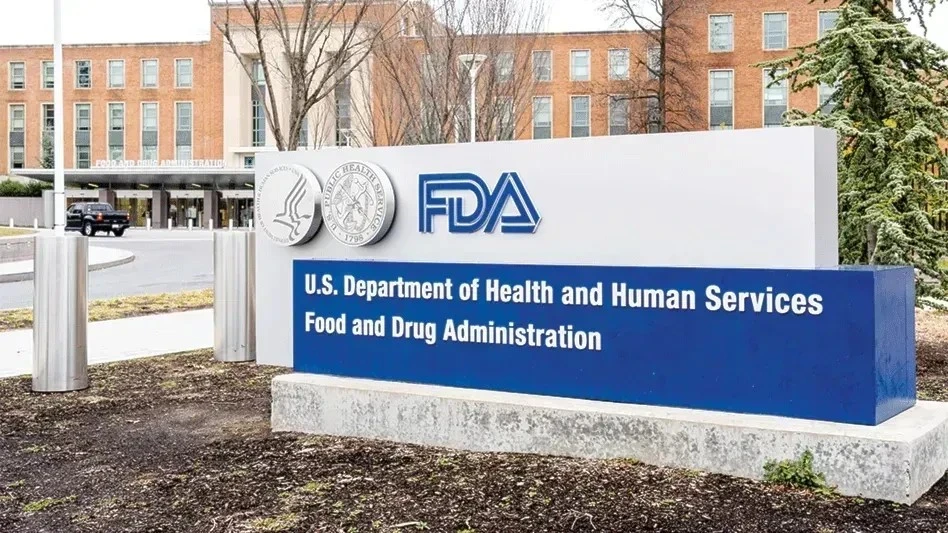
How does the shutdown affect the FDA?
According to HHS’ contingency plan, 13,872 (86%) of FDA staff have been retained during the shutdown, including 10,740 declared exempt (their activities or position are already funded or otherwise exempted) and 3,132 who are excepted (activities are deemed necessary for the safety of human life or protection of property).
FDA activities necessary to address imminent threats to the safety of human life, as well as activities funded by carryover user fee funds, will continue, according to the agency.
The FDA said it will maintain core functions to handle and respond to emergencies, such as:
- Monitoring for and responding to outbreaks related to foodborne illness and the flu
- Supporting high-risk food and medical product recalls
- Pursuing civil investigations when the agency believes public health is imminently at risk
- Pursuing criminal investigations
- Screening food and medical products imported to the U.S. to protect consumers and patients from harmful products
Despite continuing these core functions, HHS said in its contingency plan that FDA’s “ability to protect and promote public health and safety would be significantly impacted” during the shutdown.
For example, the Animal Drugs and Foods Program has halted pre-market safety reviews of novel animal food ingredients for livestock. Therefore, the FDA is unable to ensure that the meat, milk and eggs of livestock are safe for people to eat during the shutdown, HHS said.
Food safety efforts within FDA's Human Foods Program have been reduced to safety surveillance and emergency responses. Longer-term food safety initiatives, including policy work to help prevent foodborne illnesses and diet-related diseases, have halted, according to HHS.
Research and innovation efforts will also suffer due to reduced resources, said HHS, including FDA's regulatory science research, used to advance product innovation, safety and quality. Interrupted studies could increase costs and delay results, said the agency.
Longer-term policy development related to national and global health security has also paused, slowing efforts to improve public health emergency preparedness, said HHS.
Investments in laboratory equipment, innovation and research have been postponed, which HHS said hinders the agency's progress to ensure evidence-based decision-making.
FDA inspections will be limited unless they are for cause or otherwise necessary to detect and address imminent threats to human life, said the agency.
How does the shutdown affect the USDA?
The USDA’s contingency plan calls for furloughing nearly half of its employees — a total of 42,256 workers, including 533 at the Food Safety and Inspection Service (FSIS) — and retaining 43,651.
The department said it will continue the following activities:
- Certain farm loan processing items
- Certain natural resource and conservation programs
- Core nutrition safety net programs
- Essential food safety operations (inspections and laboratory work) to protect public health
- Responding to and preparing for wildland fires
- Activities supported by user fees (including grading, assessment, inspection, import and export)
- Animal and plant health emergency programs (including New World screwworm, highly pathogenic avian influenza, exotic fruit flies, African swine fever and rabies)
The following USDA operations have ceased during the shutdown:
- Payment processing
- Disaster assistance processing
- Technical assistance
- Contracts and agreements not related to exempted programs
- Financial management beyond funds management
- Regulatory work
- Travel
- Training
- Trade negotiations
- Surveys for high-risk plant pests and diseases for certain swine, cattle and aquatic animal diseases
- Long-term studies and research on animal diseases
- Research and report publications
- Website updates
- Data products
- The majority of Risk Management Agency, Natural Resources Conservation Service, Foreign Agricultural Service, Food and Nutrition Service, National Institute of Food and Agriculture, Economic Research Service, National Agricultural Statistical Service, Rural Development, and Staff Office activities
FSIS will continue to perform essential food safety operations required to protect life and property, said USDA in its plan, including statutorily required inspection of meat, poultry and egg products, outbreak and recall investigations necessary to protect public health, laboratory work essential to identifying public health concerns and threats, emergency preparedness and minimum levels of other support functions.
All FSIS functions not required to support the protection of life and property will cease, said the agency, including non-essential administrative tasks, training other than mandatory training for frontline inspectors and other support activities.
How does the shutdown affect the CDC?
More than half of CDC employees (8,742 workers) have been furloughed, with 4,891 (35.88%) retained during the shutdown, according to the agency’s contingency plan.
The CDC and affiliated Agency for Toxic Substances and Disease Registry (ATSDR) said they will use the full extent of authority under the Anti-Deficiency Act to protect life and property during the shutdown.
Responses to urgent disease outbreaks and continuing efforts to support the President's Emergency Plan for AIDS Relief (PEPFAR), World Trade Center (WTC) Health Program, the Energy Employees Occupational Illness Compensation Program Act (EEOICPA) and the Vaccines for Children (VFC) program will continue, said the agency.
During the shutdown, the CDC will not provide guidance to state and local health departments implementing public health programs and will not communicate health information to the American public or respond to public inquiries about public health matters.
Public health research to improve prevention modalities has halted, along with investigation of risk factors. Analysis of surveillance data for reportable diseases is suspended, and year-end surveillance reports will be delayed.
The shutdown will also result in compressed times for grant applicants, such as state and local health departments and universities, to apply for funding, said the CDC.
What happens next?
As the Senate continues budget negotiations, furloughed federal employees are expected to monitor the status of government operations and monitor their return to duty by visiting OPM’s operating status website here.
Latest from Quality Assurance & Food Safety
- Ajinomoto Foods Recalls Products Due to Potential Glass Contamination
- Grubhub Introduces Drone-Powered Food Delivery Program
- FSIS Releases 2025 Foodborne Illness Outbreak Investigations Report
- EWG Analysis Flags 111 Ingredients Added to Foods Through GRAS
- FDA Releases Risk Assessment of Foodborne Illness from Produce with Untreated BSAAO
- Catalyst Food Leaders Announces 2026 Virtual Leadership Summit
- FDA to Hold Public Meeting on Dietary Supplements
- USDA Partners with Army Corps on New World Screwworm Sterile Fly Production Facility