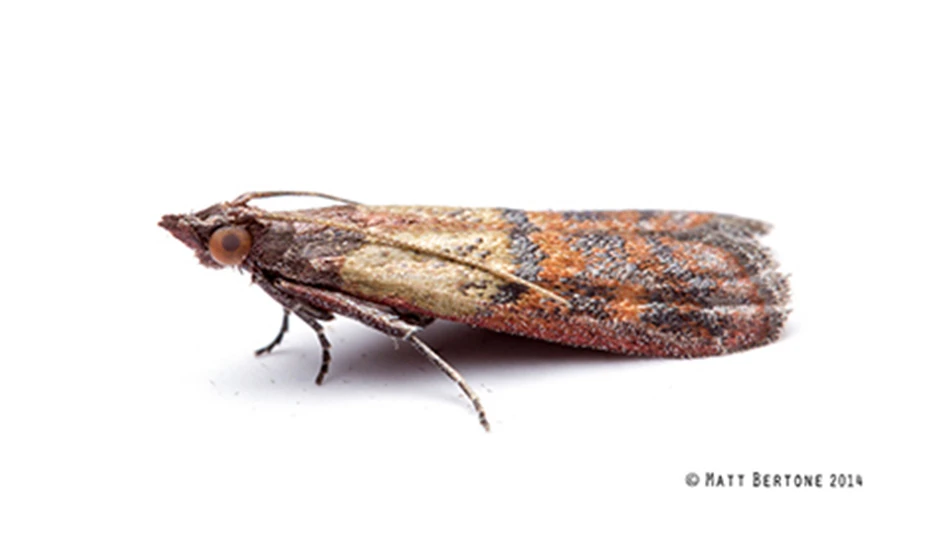
Photo courtesy of Matt Bertone, NCSU
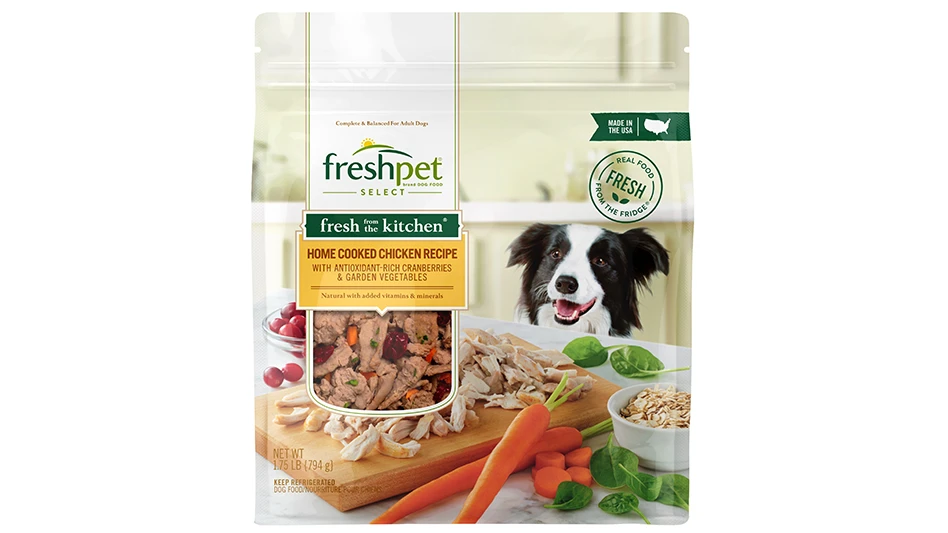
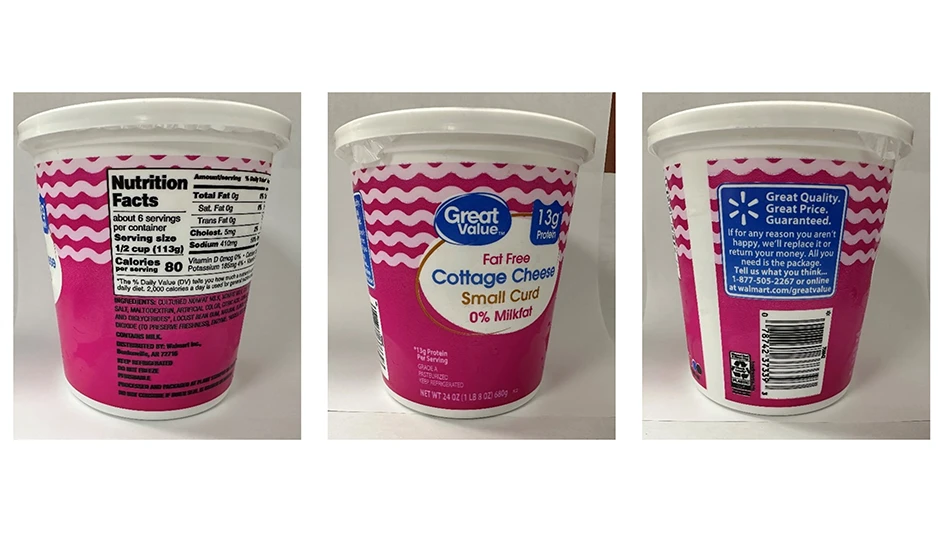
Plodia interpunctella, better known as the Indian Meal Moth, is normally found where you store your grains. This means that it can move through tiny openings in plastic or cardboard packages in your pantry to feast on cereal, pet food, flour, cornmeal and other stored grains and dried fruit. It can also contaminate contents of larger food storage facilities and grain storage buildings.
The moth is one of the top 12 moth species intercepted at U.S. ports and is closely related to many other highly destructive species that are not native to U.S. agriculture.
This Indian Meal Moth, or its larvae, are commonly intercepted in commodities by other USDA agencies and sent to ARS’ Systematic Entomology Lab, located at the Smithsonian’s National Museum of Natural History, for identification.
Once the lab receives the moth’s larvae, ARS researchers compare the external diagnostic characteristics such as hair, and general color, so that it can be distinguished from other closely related non-invasive caterpillars. These diagnostic tools are then provided to other USDA personnel at U.S. ports to distinguish between species.
“This particular research permits the USDA to identify invasive species that may be introduced to the nation,” said ARS researcher Alma Solis. “It also allows us to conduct research, identify, and exclude many other closely-related species that are potentially destructive species to the U.S. economy.”
Tropical climates are a popular habitat for the Indian Meal Moth, but infestations have occurred across the globe, including Antarctica. Even though they are not known to bite or sting, its contamination of food products is detrimental to U.S. agriculture and the economy. Once the moth settles into grain that has a temperature of at least 50 F, eggs are laid directly on the food source. A mature female may lay up to 300 eggs at a time before larvae begin to hatch within 14 days.
USDA recommends keeping flour, grains and other pantry items in thick plastic or glass containers with air-tight lids. Don’t purchase packaged food that looks damaged, and if you suspect that you have an infestation, please contact a licensed pest control company to deter and eliminate the infestation.
Latest from Quality Assurance & Food Safety
- Director General of IICA and Senior USDA Officials Meet to Advance Shared Agenda
- EFSA and FAO Sign Memorandum of Understanding
- Ben Miller Breaks Down Federal Cuts, State Bans and Traceability Delays
- Michigan Officials Warn Recalled ByHeart Infant Formula Remains on Store Shelves
- Puratos USA to Launch First Professional Chocolate Product with Cultured Cocoa
- National Restaurant Association Announces Federal Policy Priorities
- USDA Offloads Washington Buildings in Reorganization Effort
- IDFA Promotes Andrew Jerome to VP of Strategic Communications and Executive Director of Foundation