Adobe Stock | Dinar Budiman
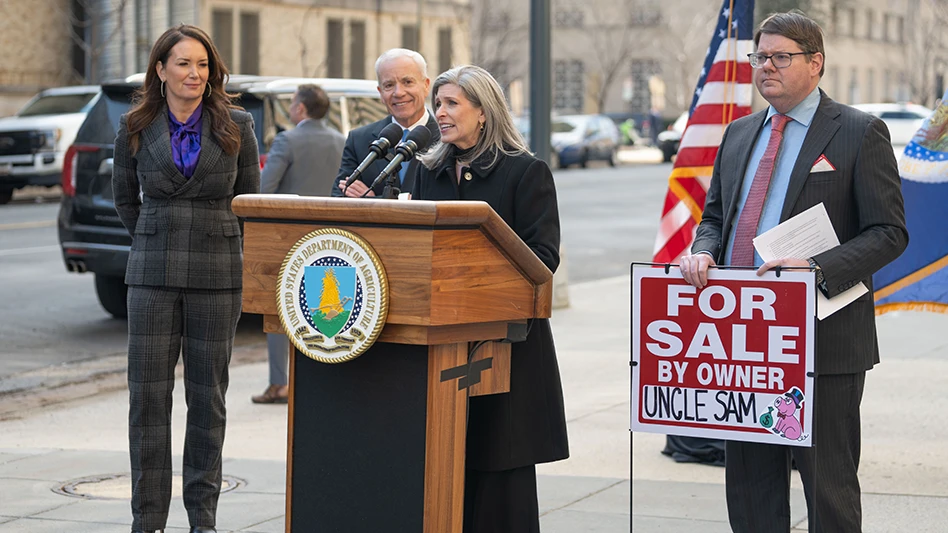
WASHINGTON, D.C. — The U.S. Department of Agriculture (USDA) and U.S. Army Corps of Engineers (USACE) announced a construction contract with Mortenson Construction to build a sterile fly production facility at Moore Air Base in Edinburg, Texas.
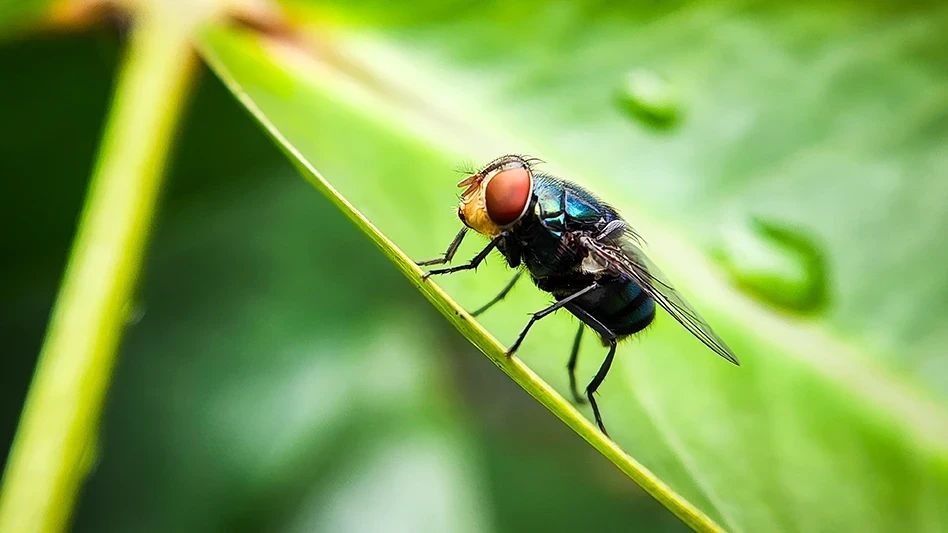
The facility is a component of the agency’s five-prong strategy to fight the New World screwworm (NWS), a parasitic fly whose larvae feed on the living flesh of warm-blooded animals and could pose a threat to U.S. livestock, wildlife and domestic animals.
USACE is partnering with USDA and will provide oversight for the contract, design, engineering and construction of the Edinburg facility.
USDA and USACE will break ground later this spring after initial planning and development meetings with the contractor. By November 2027, the production facility at Moore Air Base is expected to reach its initial goal of producing 100 million sterile flies per week, said USDA. After that, construction will continue at the facility to increase production with the long-term goal of producing 300 million sterile flies per week, according to the agency.
A sterile fly production facility is a specialized biosecure complex where New World screwworm flies are raised and sterilized using irradiation and then released into targeted areas.
Female New World screwworm flies only mate once in their lives, so if they mate with a sterile male, they lay unfertilized eggs that don’t hatch. This method, known as the sterile insect technique, has been a cornerstone of proven screwworm eradication efforts for decades and is recognized worldwide as a highly effective, environmentally responsible approach to insect control, said USDA. When paired with surveillance, animal movement restrictions and education and outreach, this technique is an effective tool for controlling and eradicating New World screwworm, the agency said.
USDA currently produces about 100 million sterile flies per week at its facility in Panama and disperses them within and just north of affected areas in Mexico. The agency also invested $21 million to support Mexico’s renovation of an existing fruit fly facility in Metapa, which will double NWS production capacity once complete, according to USDA. With support from USDA Animal and Plant Health Inspection Service (APHIS) technical experts, Mexico anticipates sterile fly production will begin at the Metapa facility this summer.
The new facility at Moore Air Base will be the only U.S.-based sterile fly production facility and will work in tandem with facilities in Panama and Mexico to help eradicate the pest and protect American agriculture.
“The Army Corps of Engineers is an essential partner in bringing this facility to life and further highlights the Trump administration’s government-wide effort to fight the New World screwworm threat in Mexico,” said U.S. Secretary of Agriculture Brooke Rollins. “The Army Corps is the best in the business, and their engineering expertise and proven track record in delivering complex projects will help ensure we can build a modern, resilient facility that protects American agriculture from invasive pests for decades to come. This first-of-its-kind facility on U.S. soil will ensure we are not reliant on other countries for sterile flies.”
Added Lt. Gen. William H. “Butch” Graham, U.S. Army Corps of Engineers commanding general, “For more than 250 years, USACE has helped secure America by engineering solutions to our nation’s toughest challenges. We are proud to be partnering with USDA in the construction of the sterile fly facility, a critical investment in our nation’s future agricultural, public and economic health. Combining our engineering expertise with USDA’s mission expertise brings us one step closer to alleviating this biological threat.
For more information about USDA’s efforts to combat NWS, visit screwworm.gov.
Latest from Quality Assurance & Food Safety
- FSIS Deputy Administrator Denise Eblen Retires
- USDA Terminates Paper and Packaging Research and Promotion Program
- ASI Unveils New Global Identity as Kiwa ASI
- FDA and Partners Release Findings from California Longitudinal Study
- Director General of IICA and Senior USDA Officials Meet to Advance Shared Agenda
- EFSA and FAO Sign Memorandum of Understanding
- Ben Miller Breaks Down Federal Cuts, State Bans and Traceability Delays
- Michigan Officials Warn Recalled ByHeart Infant Formula Remains on Store Shelves