Adobe Stock | Dinar Budiman
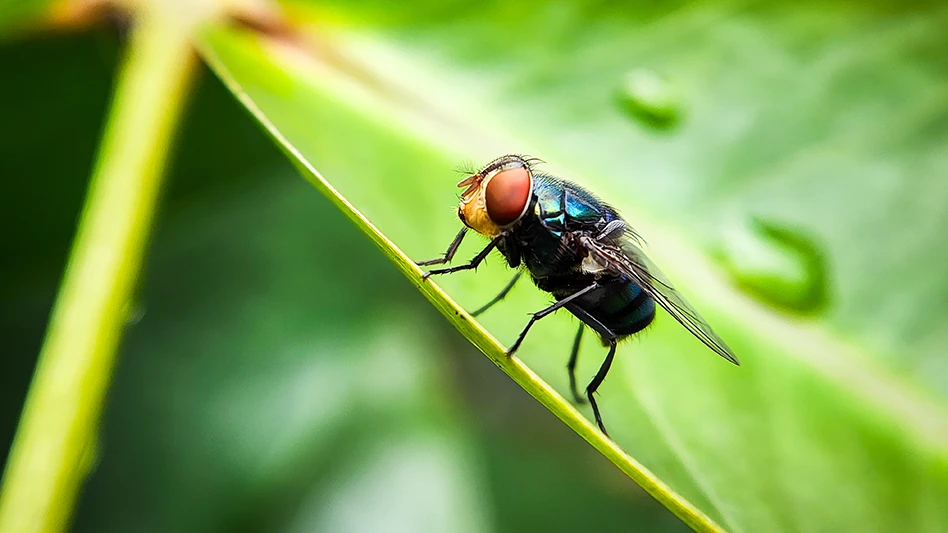
Washington, D.C. — U.S. Secretary of Agriculture Brooke Rollins provided an update on the U.S. Department of Agriculture’s (USDA) ongoing partnership with Mexico to combat the New World screwworm (NWS).
Rollins held a May 27 call with her counterpart in Mexico, Secretary Julio Berdegué Sacristán, to discuss the ongoing threat of NWS and actions being taken by both countries to contain the threat south of the U.S. border. USDA said it is working daily with Mexico to make sure the resources, tactics and tools are in place to effectively eradicate NWS.
Rollins announced that the USDA is investing $21 million to renovate an existing fruit fly production facility in Metapa, Mexico, to further the long-term goal of eradicating NWS. When operational, this facility will produce 60-100 million additional sterile NWS flies weekly to push the population further south in Mexico, said USDA.
The screwworm could pose a threat to U.S. livestock, wildlife and domestic animals, especially those involved in U.S. food systems like beef and dairy cattle, according to the Florida Department of Agriculture and Consumer Services. The threat is most serious to states with warm climates and abundant animal populations, such as Florida.
“Our partnership with Mexico is crucial in making this effort a success,” said Rollins. “We are continuing to work closely with Mexico to push NWS away from the United States and out of Mexico. The investment I am announcing today is one of many efforts my team is making around the clock to protect our animals, our farm economy and the security of our nation’s food supply.”
Current restrictions on live animal imports from Mexico remain in place, and USDA will continue to evaluate the current suspension every 30 days.
USDA and its partners have used sterile insect technique (SIT) and other strategies such as intense surveillance and import controls for decades to eradicate and keep NWS at bay. U.S. supported sterile insect rearing and dispersal operations in Mexico and Central America have been operating at full production capacity, with up to 44 flights a week releasing 100 million sterile flies, said USDA. All flies are raised in the Panama-United States Commission for the Eradication and Prevention of Screwworm (COPEG) facility in Panama. The investment in the Metapa facility in Mexico will allow USDA to double the use of SIT, the agency said.
USDA’s Animal and Plant Health Inspection Service (APHIS) and its Mexican counterparts continue to hold ongoing technical calls and meetings on NWS. The agencies are making strong progress toward enhancing surveillance in Mexico, addressing administrative or regulatory roadblocks that could impair an effective response and ensuring appropriate animal movement controls are in place to prevent further NWS spread, said USDA.
The Mexican delegation joined APHIS in Washington, D.C., last week to discuss these efforts, and APHIS will have a technical team visiting Mexico in the coming weeks to assess the on-the-ground situation and continue working toward key goals around surveillance and animal movement.
Latest from Quality Assurance & Food Safety
- Ajinomoto Foods Recalls Products Due to Potential Glass Contamination
- Grubhub Introduces Drone-Powered Food Delivery Program
- FSIS Releases 2025 Foodborne Illness Outbreak Investigations Report
- EWG Analysis Flags 111 Ingredients Added to Foods Through GRAS
- FDA Releases Risk Assessment of Foodborne Illness from Produce with Untreated BSAAO
- Catalyst Food Leaders Announces 2026 Virtual Leadership Summit
- FDA to Hold Public Meeting on Dietary Supplements
- USDA Partners with Army Corps on New World Screwworm Sterile Fly Production Facility