Adobe Stock | Dinar Budiman
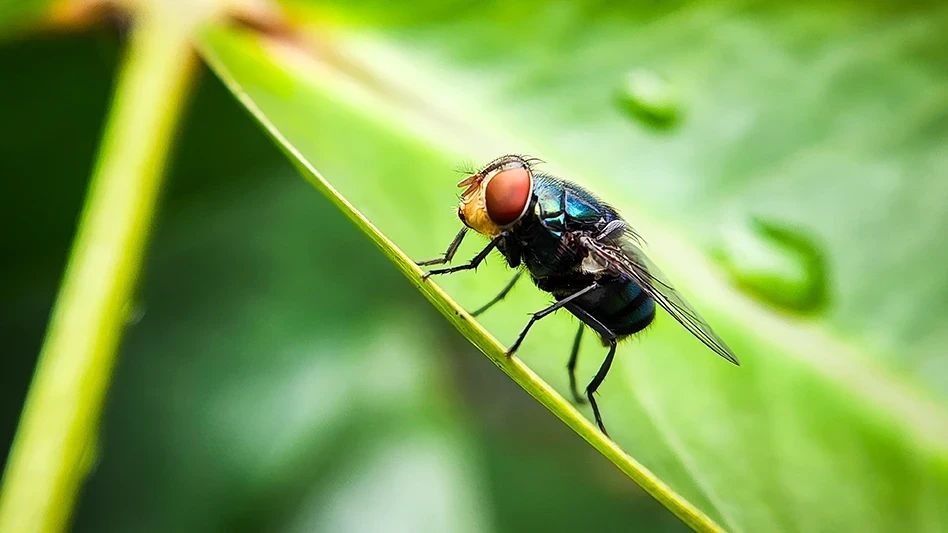
Washington, D.C. — The U.S. Department of Agriculture (USDA) announced it is once again shutting down Southern border ports to livestock trade due to the spread of the New World screwworm (NWS) in Mexico.
On June 30, USDA announced a risk-based phased port reopening strategy for cattle, bison and equine from Mexico, with reopenings beginning as soon as July 7. However, a newly reported NWS case “raises significant concern about the previously reported information shared by Mexican officials and severely compromises the outlined port reopening schedule of five ports from July 7-Sept. 15,” said USDA in a July 9 statement.
As a result, U.S. Secretary of Agriculture Brooke Rollins has ordered the closure of livestock trade through southern ports of entry effective immediately.
On July 8, Mexico’s National Service of Agro-Alimentary Health, Safety, and Quality (SENASICA) reported a new case of NWS in Ixhuatlan de Madero, Veracruz, Mexico, approximately 160 miles north of the current sterile fly dispersal grid on the eastern side of the country, 370 miles south of the United States/Mexico border.
This new northward detection comes about two months after northern detections were reported in Oaxaca and Veracruz, less than 700 miles away from the U.S. border, which triggered the closure of U.S. ports to Mexican cattle, bison and horses on May 11.

“The United States has promised to be vigilant — and after detecting this new NWS case, we are pausing the planned port reopenings to further quarantine and target this deadly pest in Mexico,” said Rollins. “We must see additional progress combatting NWS in Veracruz and other nearby Mexican states in order to reopen livestock ports along the Southern border. Thanks to the aggressive monitoring by USDA staff in the U.S. and in Mexico, we have been able to take quick and decisive action to respond to the spread of this deadly pest.”
To ensure the protection of U.S. livestock herds, USDA said it taking proactive measures to maintain a NWS-free barrier. This is maintained with stringent animal movement controls, surveillance, trapping and following science to push the NWS barrier south in phases as quickly as possible, said the agency.
In June, Rollins launched a plan to combat New World screwworm by protecting the U.S. border and increasing eradication efforts in Mexico. USDA also announced the groundbreaking of a sterile fly dispersal facility in South Texas. This facility will provide a contingency capability to disperse sterile flies should a NWS detection be made in the southern U.S., said USDA.
Simultaneously, USDA is moving forward with the design process to build a domestic sterile fly production facility to ensure it has the resources to push NWS back to the Darien Gap, said the agency. USDA is working on these efforts with border states Arizona, New Mexico and Texas.
The agency said it will continue to perform site visits throughout Mexico to ensure the Mexican government has adequate protocols and surveillance in place to combat NWS.
Latest from Quality Assurance & Food Safety
- WHO to Release New Foodborne Disease Estimates for World Food Safety Day
- Ajinomoto Foods Recalls Products Due to Potential Glass Contamination
- Grubhub Introduces Drone-Powered Food Delivery Program
- FSIS Releases 2025 Foodborne Illness Outbreak Investigations Report
- EWG Analysis Flags 111 Ingredients Added to Foods Through GRAS
- FDA Releases Risk Assessment of Foodborne Illness from Produce with Untreated BSAAO
- Catalyst Food Leaders Announces 2026 Virtual Leadership Summit
- FDA to Hold Public Meeting on Dietary Supplements