Adobe Stock | Nitr
As global events such as the conflict in Ukraine continue to impact food supply, it is imperative that food manufacturers maintain factory audits and supply chain assessments to preserve food safety, says global assurance provider LRQA.
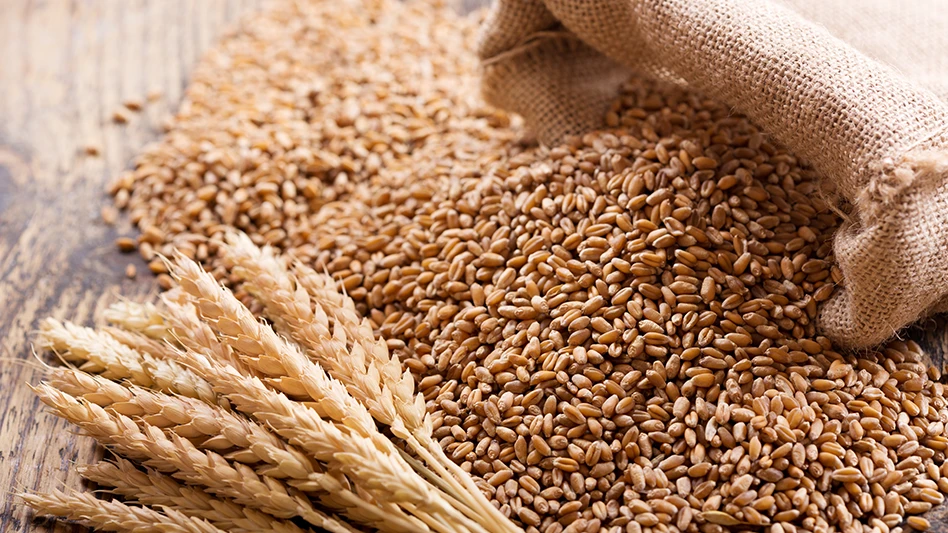
With the recent Kakhovka dam burst in Ukraine flooding hundreds of thousands of hectares of land being used for agriculture, a significant impact on food supply is expected to be felt globally. Last year, wheat prices already reached a new record high and, while prices have since lowered, Ukraine — the world’s sixth-largest wheat exporter — is predicted to produce less than 50% of its most recent harvests. The incident at the Kakhovka dam has since increased prices again on what wheat supplies do remain by more than 8.5% in seven days and appears to still be on the rise.
As a result, food manufacturers may have to change suppliers to meet consumer demand. LRQA is warning manufacturers to be vigilant against food fraud, particularly if new suppliers are not vetted to the appropriate standards, and to ensure critical factory audits and supply chain assessments are not skipped.
Kimberly Coffin, global technical director for supply chain assurance at LRQA, said, “The current situation has been referred to as a worldwide food crisis, and the EU and UN have both issued ‘serious risk’ warnings. Because of this, we must be vigilant against all forms of food fraud, and we are urging all food producers to take the necessary safeguards to defend supply chain integrity and safeguard consumers.”
As the threat of food fraud continues to loom, businesses must ensure that international standards are maintained, and suppliers — inclusive of source and/or origin — have been verified.
“Only when a food brand can demonstrate the integrity of their supply network can they be confident of the absence of unadulterated food and the subsequent mislabeling risks,” said Coffin. “Adulterated, mislabeled food may lead to regulatory sanctions and have serious implications for consumer safety. Considering that the food industry has already faced so many challenges in the past few years, some businesses could be devastated by a significant food fraud incident, such as the horse meat scandal in 2013. The food industry at every stage of supply must remain vigilant in the defense against food fraud.”