Adobe Stock | bit24
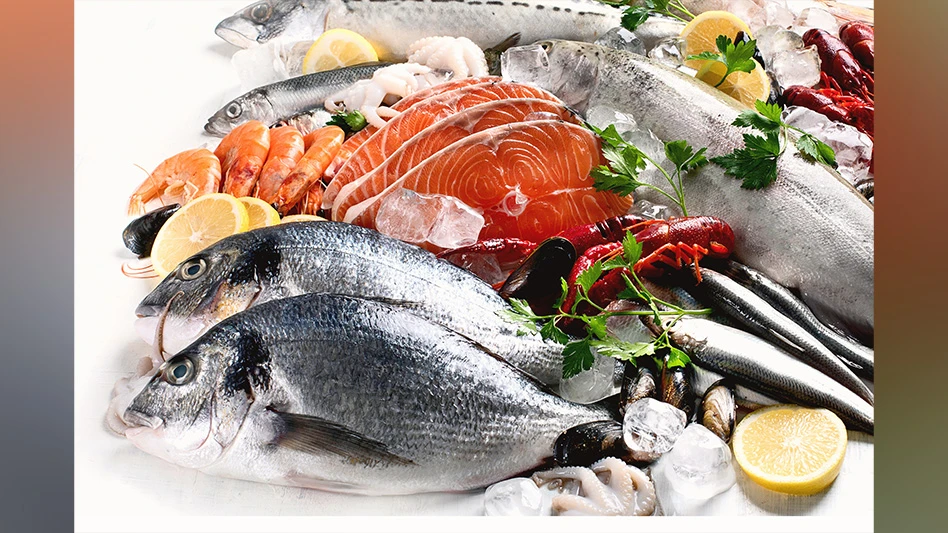
WASHINGTON, D.C. — The Restaurant Law Center, along with the National Fisheries Institute and seafood suppliers, has filed a lawsuit against the National Oceanic and Atmospheric Administration (NOAA) over its implementation of the Marine Mammal Protection Act (MMPA), citing serious economic and operational consequences for American restaurants and their supply chains.
The lawsuit challenges NOAA's Sept. 2 decision that triggered a sweeping import ban on Jan. 1, 2026. The action requires nations exporting fish to the U.S. to provide proof that their commercial fishing technologies do not result in a level of incidental kill or injury to marine mammals that exceeds U.S. standards.
The fisheries affected by the ban supply the vast majority of some seafood products critical to U.S. restaurants, said the Restaurant Law Center.
"This is not about opposing the Marine Mammal Protection Act — we support its goals," said Angelo Amador, executive director of the Restaurant Law Center, a public policy organization created to represent the foodservice industry in the courts. "But NOAA's rushed and opaque implementation is poised to devastate seafood supply chains that restaurants across the country rely on. Without access to these products, many restaurants will be forced to remove popular seafood items from their menus, raise prices or worse — close their doors."
The Restaurant Law Center joined the lawsuit to defend the interests of more than one million restaurants and foodservice outlets nationwide. The center argues that NOAA failed to consider the interests of U.S. businesses and the real-world consequences of its decision, in violation of the Administrative Procedure Act.
"Restaurants are already facing tight margins and labor shortages," Amador said. "This abrupt ban — announced with just four months' notice — will cause menu disruptions, contract breaches and job losses across the foodservice sector. NOAA's failure to engage stakeholders or consider the economic fallout is not just irresponsible — it's unlawful."
The plaintiffs, including seafood processors, importers and distributors, said there are no viable domestic alternatives to the banned imports. U.S. fisheries cannot meet the volume, quality or form required by the restaurant industry, according to the lawsuit.
The complaint also claims that many of the affected foreign fisheries have invested heavily in sustainability and bycatch reduction yet were denied access based on procedural gaps rather than conservation outcomes.
The lawsuit was filed in the U.S. Court of International Trade in New York City. Plaintiffs said they are seeking to vacate the import bans and compel NOAA to reconsider its determinations using a lawful, results-based approach that aligns with the MMPA's intent and the realities of the global seafood supply chain.
Latest from Quality Assurance & Food Safety
- FDA Releases Produce Regulatory Program Standards
- Invest in People or Risk the System: Darin Detwiler and Catalyst Food Leaders on Building Real Food Safety Culture
- USDA Proposes Increasing Poultry, Pork Line Speeds
- FDA Releases New Traceability Rule Guidance
- TraceGains and iFoodDS Extend Strategic Alliance
- bioMérieux Launches New Platform for Spoiler Risk Management
- SafetyChain Receives SOC 2 Type 2 Certification
- Puratos Acquires Pennsylvania-Based Vör Foods