Adobe Stock | Dinar Budiman
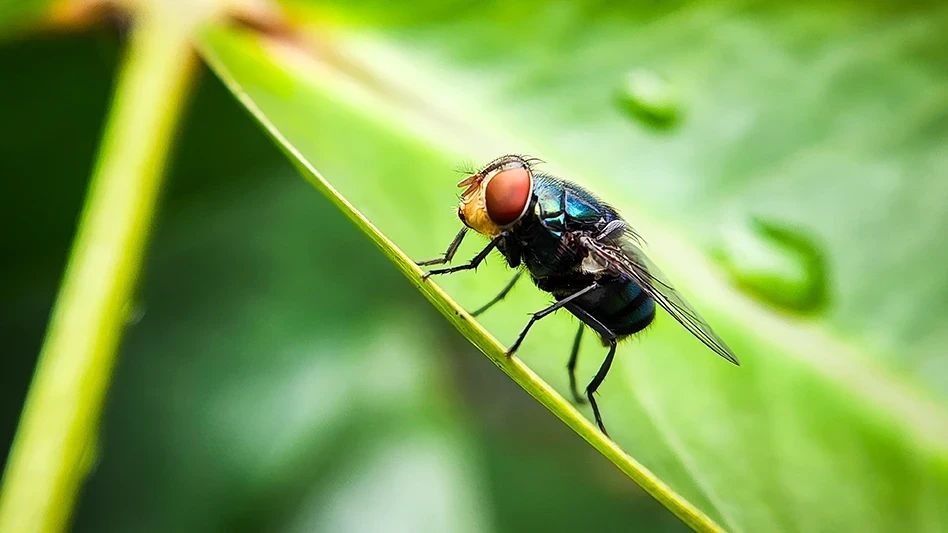
Mexico’s National Service of Agro-Alimentary Health, Safety, and Quality (SENASICA) confirmed a new case of New World screwworm (NWS) in Sabinas Hidalgo, located in the state of Nuevo León, less than 70 miles from the U.S.-Mexico border.
This is the northernmost detection of NWS during this outbreak and the one most threatening to the American cattle and livestock industry, said the U.S. Department of Agriculture (USDA). Sabinas Hidalgo is located near the major highway from Monterrey, Nuevo Leon, to Laredo, Texas, one of the most heavily trafficked commercial thoroughfares in the world, said the agency.
"Protecting the United States from NWS is non-negotiable and a top priority of the Trump administration,” said U.S. Secretary of Agriculture Brooke Rollins. “This is a national security priority. We have given Mexico every opportunity and every resource necessary to counter NWS since announcing the NWS Bold Plan in June 2025. Nevertheless, American ranchers and families should know that we will not rely on Mexico to defend our industry, our food supply, or our way of life. We are firmly executing our five-pronged plan and will take decisive action to protect our borders, even in the absence of cooperation. Furthermore, we will pursue aggressive measures against anyone who harms American livestock.”
The previous northernmost detection was reported on July 9 in Veracruz, approximately 370 miles farther south. Preliminary reports from SENASICA indicate that the affected animal — an 8-month-old cow — had recently been moved to a certified feedlot in Nuevo León from a region in southern Mexico with known active NWS cases, said USDA.
U.S. ports remain closed to imports of cattle, bison and horses from Mexico.
Since July, USDA, alongside Mexico, has been monitoring nearly 8,000 traps across Texas, Arizona and New Mexico. To date, more than 13,000 screening samples have been submitted, with no NWS flies detected, said the agency. USDA is analyzing all new information related to the recent case in Nuevo León and will pursue all options to release sterile flies in this region as necessary, the agency said.
USDA added in a Sept. 21 statement that it "will soon release a significant plan" to help rebuild the American cattle supply, incentivize ranchers and drive revitalization of the American beef industry.
Latest from Quality Assurance & Food Safety
- WHO to Release New Foodborne Disease Estimates for World Food Safety Day
- Ajinomoto Foods Recalls Products Due to Potential Glass Contamination
- Grubhub Introduces Drone-Powered Food Delivery Program
- FSIS Releases 2025 Foodborne Illness Outbreak Investigations Report
- EWG Analysis Flags 111 Ingredients Added to Foods Through GRAS
- FDA Releases Risk Assessment of Foodborne Illness from Produce with Untreated BSAAO
- Catalyst Food Leaders Announces 2026 Virtual Leadership Summit
- FDA to Hold Public Meeting on Dietary Supplements