Adobe Stock | MarketingShotz
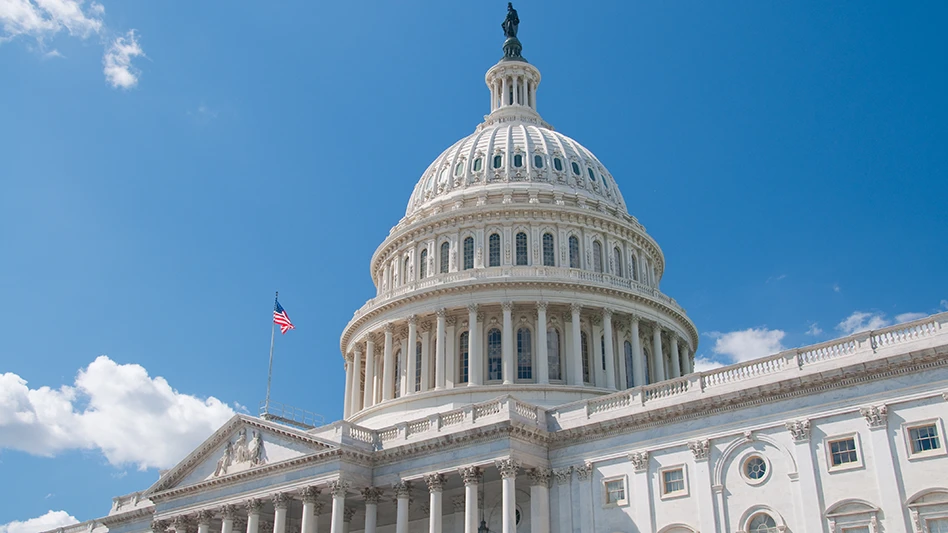
The longest government shutdown in U.S. history ended after 43 days on Wednesday, Nov. 12, when President Donald Trump signed a bipartisan funding bill passed by the House and Senate.
Trump signed the bill Wednesday evening after the House of Representatives passed it in a 222-209 vote. The Senate passed the measure 60-40 on Monday.
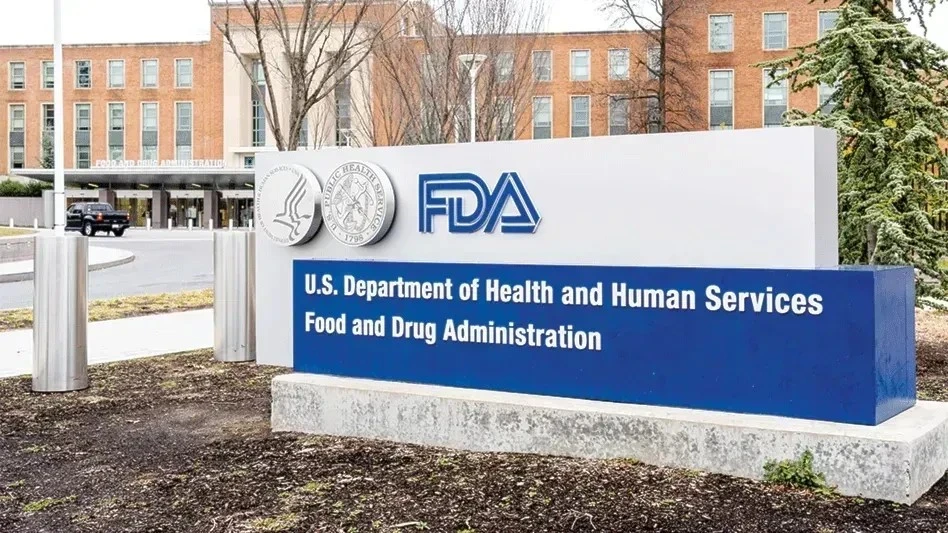
The bill fully funds U.S. Food and Drug Administration (FDA) and U.S. Department of Agriculture (USDA) operations through Sept. 30, 2026.
What the New Law Means for FDA Oversight.
H.R. 5371 provides $6.957 billion in funding for the FDA, including $3.422 billion in discretionary funding. This funding level rejects Trump’s budget request, which sought to slash the agency’s discretionary funding by over $400 million in 2026.
Of that funding, $1.17 billion is earmarked for the FDA’s Human Foods Program and related field activities — including inspections, investigations and import operations — according to the text of H.R. 5371.
The act includes a directive that at least $116 million of funding for the Human Foods Program be used for state and local food inspection and oversight programs.
It includes restrictions on how the FDA uses those funds, barring the agency from spending federal money to issue or promote new guidelines or regulations for low-risk ready-to-eat foods for Listeria monocytogenes until the agency considers available new science in developing the Compliance Policy Guide (CPG) guidance for FDA staff.
Funds also may not be used by FDA to administer or enforce the Food Traceability Rule in section 204 of the Food Safety Modernization Act (FSMA) before July 20, 2028. In March, FDA announced an extension for food manufacturers to comply with FSMA 204, bumping the date from January 2026 to July 2028.
Also related to traceability, the bill requires FDA to:
- Engage quarterly with regulated entities, such as farms, restaurants, retail food establishments and warehouses, to identify and implement “additional flexibilities” for compliance with the rule’s lot-level tracking requirement.
- Provide industry stakeholders with recommendations for flexibilities satisfying the rule’s lot-level tracking requirement within 180 days of enactment of the bill.
- Provide assistance to industry with handling food waste recovery, reclamation, intra-company transfers and customer returns under the rule.
- Initiate hypothetical data intake exercises to test the FDA’s Product Tracing System and identify technical difficulties before implementation.
In addition, the law requires FDA Commissioner Dr. Marty Makary to develop a report that determines the cost and implications of efforts to issue a proposed rule and implement FDA guidance and enforcement for setting standards for pet and animal food labeling and ingredient regulation.
According to H.R. 5371, the report must:
- Cover intent for harmonization across state and federal regulatory bodies for pet and animal food labeling and ingredients.
- Include timelines for developing guidelines, proposed regulations and resource and personnel needs to implement such standards, and where FDA would need additional authority to implement any proposed changes.
- Be submitted to the House and Senate Committees on Appropriations within 120 days of enactment of the new funding law.
What the New Law Means for the USDA.
The act provides $1.215 billion for USDA’s Food Safety and Inspection Service (FSIS), with authority to add up to $1 million more from laboratory accreditation fees.
It also approves a one-year extension of the Agriculture Improvement Act of 2018, continuing most 2018 Farm Bill programs through at least Sept. 30, 2026.
The new law includes targeted food safety investments within the Child Nutrition Programs, including $10 million in competitive grants to help schools purchase equipment that improves food safety and meal service. It also provides $4.4 million for food safety education and activities that support the safe distribution of USDA foods used in school meal programs.
Read the full text of the legislation here.
Editor's Note: QA will cover any additional developments related to this announcement and encourages readers to share their comments on QA’s LinkedIn page here.
Latest from Quality Assurance & Food Safety
- Ajinomoto Foods Recalls Products Due to Potential Glass Contamination
- Grubhub Introduces Drone-Powered Food Delivery Program
- FSIS Releases 2025 Foodborne Illness Outbreak Investigations Report
- EWG Analysis Flags 111 Ingredients Added to Foods Through GRAS
- FDA Releases Risk Assessment of Foodborne Illness from Produce with Untreated BSAAO
- Catalyst Food Leaders Announces 2026 Virtual Leadership Summit
- FDA to Hold Public Meeting on Dietary Supplements
- USDA Partners with Army Corps on New World Screwworm Sterile Fly Production Facility