Adobe Stock | beats_
Washington, D.C. — The U.S. Department of Agriculture (USDA) and the U.S. Food and Drug Administration (FDA) are gathering information and data to help establish a federally recognized, uniform definition for ultra-processed foods.
The U.S. Food and Drug Administration (FDA) and U.S. Department of Agriculture (USDA) are accelerating federal efforts to address concerns around ultra-processed foods and diet-related chronic disease, announcing a joint request for information to gather information and data to help establish a federally recognized, uniform definition for ultra-processed foods.
"Ultra-processed foods are driving our chronic disease epidemic," said HHS Secretary Robert F. Kennedy Jr. "We must act boldly to eliminate the root causes of chronic illness and improve the health of our food supply. Defining ultra-processed foods with a clear, uniform standard will empower us even more to make America healthy again."
Creating a uniform federal definition will serve as a deliverable on the recently published Make Our Children Healthy Again assessment, which identifies the overconsumption of ultra-processed foods as a driving factor of the childhood chronic disease crisis.
“President Trump has made it a priority to improve health outcomes for American families and communities,” said U.S. Secretary of Agriculture Brooke Rollins. “And this request for information is yet another step in seeking commonsense ways to foster improved and more informed consumer choice. A unified, widely understood definition for ultra processed foods is long overdue, and I look forward to continued partnership with Secretary Kennedy to make America healthy again. As this process unfolds, I will make certain the great men and women of the agriculture value chain are part of the conversation.”
“I am delighted to lead this critical effort at the FDA,” said FDA Commissioner Marty Makary, M.D., M.P.H. “The threats posed to our health by foods often considered ultra-processed are clear and convincing, making it imperative that we work in lockstep with our federal partners to advance, for the first time ever, a uniform definition of ultra-processed foods.”
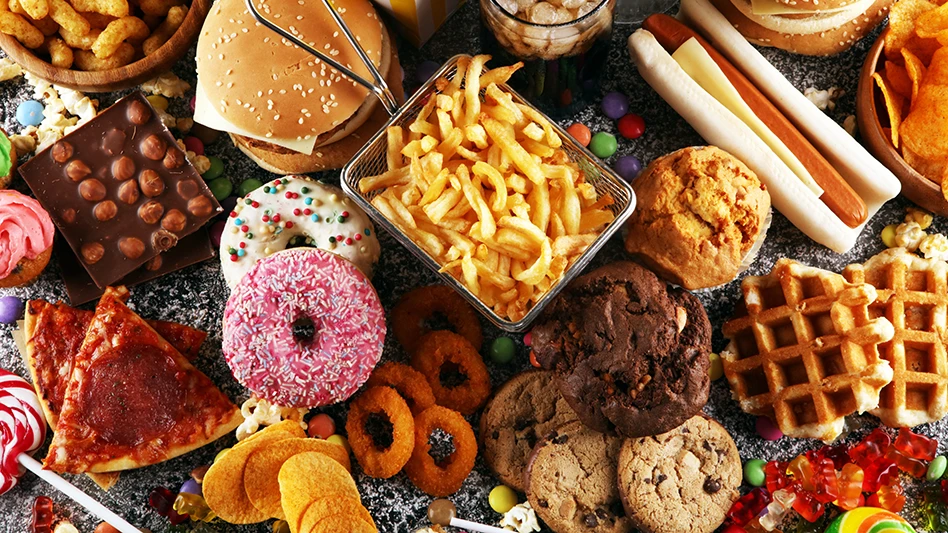
About 70% of packaged products in the U.S. food supply are foods often considered ultra-processed, according to the agencies, and children get over 60% of their calories from such foods. Scientific studies have found links between the consumption of foods often considered ultra-processed with numerous adverse health outcomes, including cardiovascular disease, Type 2 diabetes, cancer, obesity and neurological disorders, the agencies said.
A uniform definition of ultra-processed foods aims to allow for consistency in research and policy to pave the way for addressing health concerns associated with the consumption of ultra-processed foods.
The request for information is publicly available in the federal register as of July 24 and seeks information on what factors and criteria should be included in a definition of ultra-processed foods.
The FDA and National Institutes of Health are investing in research to help answer remaining questions about the health impacts of ultra-processed foods through the recently announced Nutrition Regulatory Science Program.
Latest from Quality Assurance & Food Safety
- WHO to Release New Foodborne Disease Estimates for World Food Safety Day
- Ajinomoto Foods Recalls Products Due to Potential Glass Contamination
- Grubhub Introduces Drone-Powered Food Delivery Program
- FSIS Releases 2025 Foodborne Illness Outbreak Investigations Report
- EWG Analysis Flags 111 Ingredients Added to Foods Through GRAS
- FDA Releases Risk Assessment of Foodborne Illness from Produce with Untreated BSAAO
- Catalyst Food Leaders Announces 2026 Virtual Leadership Summit
- FDA to Hold Public Meeting on Dietary Supplements