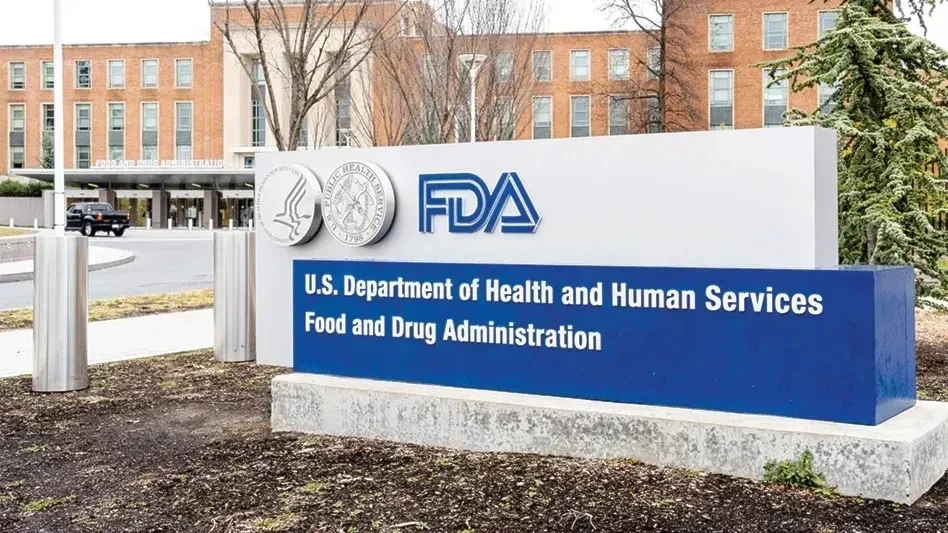
FDA
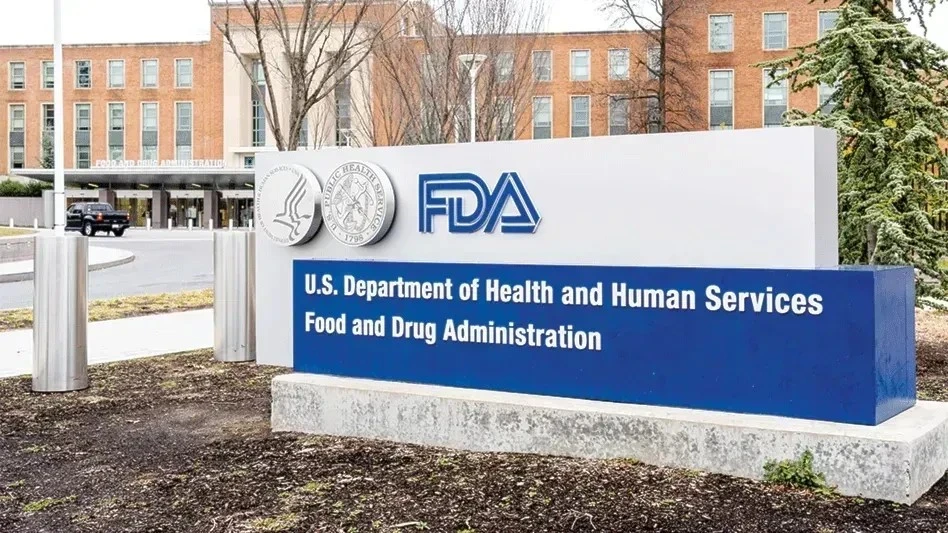
The U.S. Food and Drug Administration (FDA) released the results from a sampling assignment conducted from 2022-2024 that tested frozen seafood products for short weighting. Short weighting can occur in frozen seafood when the net weight includes the weight of the added water glaze or ice.
It is common industry practice to add water glaze to frozen seafood products to help protect the seafood from freezer burn during storage. However, overstating the net weight of frozen seafood by including the weight of glazing (ice) is not permitted (see FDA’s Guidance for Industry: 1991 Letter to Seafood Manufacturers Regarding the Fraudulent Practice of Including Glaze (ice) as Part of the Weight of Frozen Seafood). Overstating the net quantity of contents (such as including the weight of ice glaze) is a form of economically motivated adulteration (EMA) where a substance is added to increase the bulk or weight of the food.
The FDA collected 28 samples of retail packaged frozen seafood products imported from four different countries to test their compliance with net weight declaration on the product label. Among those, 10 samples (36%) were found to be violative, with 2.3% to 9.9% short weight. All shipments of violative samples were refused entry into the U.S. Associated firms and their violative products were placed on Import Alert 99-47, Detention Without Physical Examination of Human Food Products That Appear to be Adulterated for Economic Gain, said FDA.
The agency said it is committed to continue surveillance and take appropriate regulatory actions on violative foods and firms to protect consumers from EMA and maintain trust in food labels.
Latest from Quality Assurance & Food Safety
- WHO to Release New Foodborne Disease Estimates for World Food Safety Day
- Ajinomoto Foods Recalls Products Due to Potential Glass Contamination
- Grubhub Introduces Drone-Powered Food Delivery Program
- FSIS Releases 2025 Foodborne Illness Outbreak Investigations Report
- EWG Analysis Flags 111 Ingredients Added to Foods Through GRAS
- FDA Releases Risk Assessment of Foodborne Illness from Produce with Untreated BSAAO
- Catalyst Food Leaders Announces 2026 Virtual Leadership Summit
- FDA to Hold Public Meeting on Dietary Supplements