EWG
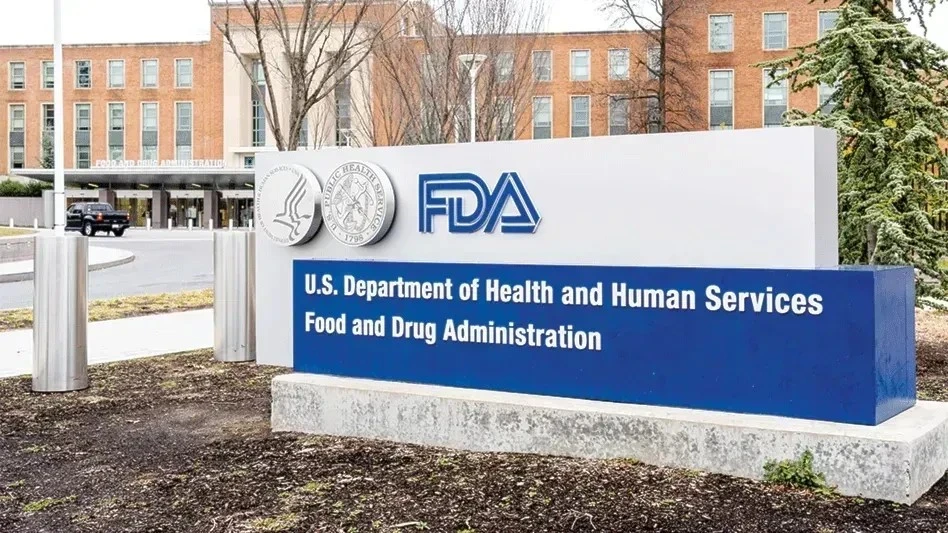
WASHINGTON – A new analysis by the Environmental Working Group identified 111 food additives companies have introduced to the U.S. food supply through the Generally Recognized as Safe (GRAS) process without notifying the U.S. Food and Drug Administration (FDA).
EWG said that of those 111 ingredients, 49 chemicals were found in thousands of products listed in the Department of Agriculture’s Branded Foods Database, which provides public access to nutrient and ingredient information about branded and store-brand food.
“This is a wake-up call for every American who assumes the FDA is reviewing the safety of chemicals in their food,” said Melanie Benesh, EWG’s vice president for government affairs. “Instead, food and chemical companies are exploiting a loophole to keep both the government and the public in the dark.”
Understanding GRAS
Currently, the FDA allows manufacturers to submit GRAS notices through the agency’s GRAS Notification Program, but industry can self-affirm that the use of a substance is GRAS without notifying the FDA.
Under the GRAS framework, companies must determine that a substance is safe based on publicly available scientific evidence and expert consensus.
In March 2025, U.S. Department of Health and Human Services Secretary Robert F. Kennedy Jr. directed the FDA to explore rulemaking to revise the GRAS Final Rule and related guidance to eliminate the self-affirmed GRAS pathway, describing it as a "loophole" that allows new ingredients and chemicals to enter the U.S. food supply without notifying the FDA or the public.
EWG said the "loophole," stemming from a 1958 law, was intended for common ingredients with a long history of safe use, such as vinegar, salt and yeast. But in 1997, the FDA created a voluntary notification system.
EWG said its research shows that companies exploit the GRAS system to introduce new, highly processed substances, including plant extracts, alternative proteins and supplement ingredients, without public safety data.
A January/February 2024 QA magazine feature shared a food industry veteran's battle with foodborne illness after consuming a product that contained tara flour, a new food ingredient that was introduced through the self-affirmed GRAS pathway without FDA review. The agency eventually determined tara flour did not meet GRAS standards after more than 400 consumers were sickened by the product.
“This system leaves the public unprotected. The FDA only acts after people are harmed,” said Maricel Maffini, researcher and report co-author. “The tara flour incident in 2022, which sickened hundreds, is proof that the GRAS loophole is a public health hazard.”
In July, an EWG analysis found that nearly 99% of food chemicals introduced since 2000 were added to the market through the self-affirmed GRAS pathway rather than through FDA review.
“For decades, the GRAS loophole has allowed companies to secretly introduce novel chemicals into our food without meaningful oversight or transparency,” said Emily Broad Leib, faculty director of the Harvard Law School Food Law and Policy Clinic. “This report makes clear that the public and regulators are flying blind when it comes to the safety of many substances in our food. We need urgent reform to ensure decisions about food safety are based on science and are visible to the public – not left to companies with a financial stake in the outcome and without any oversight.”
Unreviewed chemicals in food
The new report highlights several substances found in U.S. food products:
- Aloe vera. Banned in over-the-counter laxatives by the FDA in 2002 due to concerns about health risks like cancer, kidney harm and more. It’s been found in more than 450 food and drink products, including national brands.
- Mushroom extract. Found in 428 products, including coffee and soup. The FDA banned a different mushroom extract in 2024 over potential risks to the central nervous system.
- Green tea extract. Some types of green tea extract are linked to heart and brain defects, fetal leukemia, suppression of estrogen and other harm to the liver, kidney and intestines, said EWG. Various green tea extracts, some added through GRAS determinations, are found in dozens of products.
- Alternative proteins. New proteins derived from fermentation, fungi or animal-free sources are entering the market, raising concerns about allergens and byproducts of the manufacturing process, said EWG.
Call for reform
The new report calls on the FDA to:
- Ban self-affirmed GRAS determinations.
- Withhold the GRAS designation from substances that are new, high-risk or poorly studied.
- Close what EWG calls the "withdrawal loophole," which lets companies withdraw a GRAS notice and continue to market a chemical without FDA review.
- Launch a robust post-market review program for older food chemicals.
- Revoke GRAS designation of ingredients the FDA deems unsafe and take them off the market.
States are taking their own action on GRAS. New York and Pennsylvania have introduced GRAS transparency bills. Other states have enacted legislation to ban or require labeling on food chemicals, including Arizona, California and Texas. More than 30 states have introduced similar bills this year.
“The FDA’s failure to act for more than 60 years has made state leadership essential,” said Benesh. “Congress must close the GRAS loophole to restore trust in our food system.”
Latest from Quality Assurance & Food Safety
- Ajinomoto Foods Recalls Products Due to Potential Glass Contamination
- Grubhub Introduces Drone-Powered Food Delivery Program
- FSIS Releases 2025 Foodborne Illness Outbreak Investigations Report
- FDA Releases Risk Assessment of Foodborne Illness from Produce with Untreated BSAAO
- Catalyst Food Leaders Announces 2026 Virtual Leadership Summit
- FDA to Hold Public Meeting on Dietary Supplements
- USDA Partners with Army Corps on New World Screwworm Sterile Fly Production Facility
- FSIS Deputy Administrator Denise Eblen Retires