Jason Brill
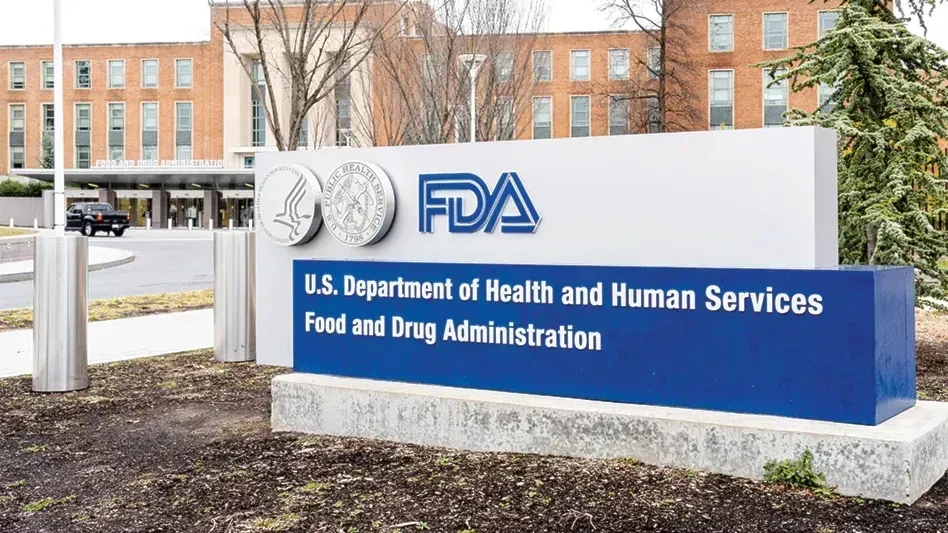
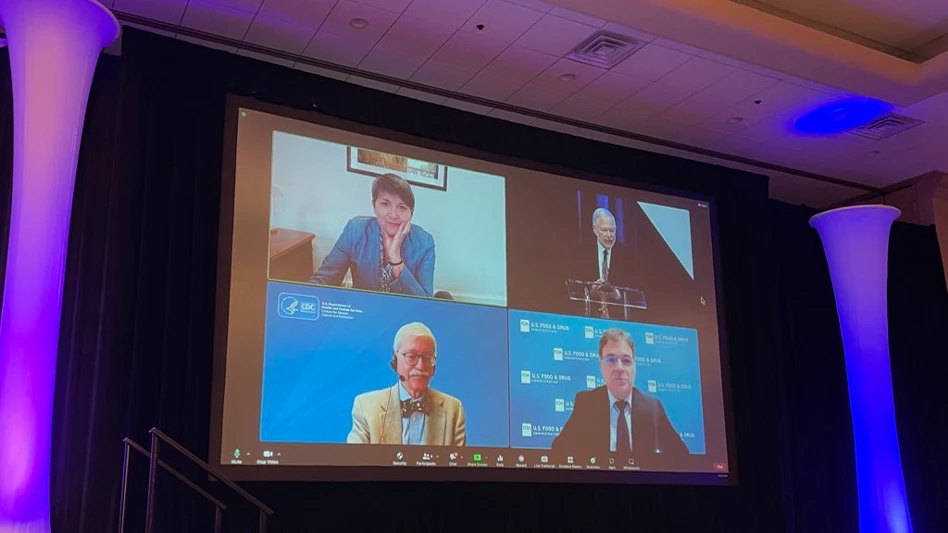
ROSEMONT, Ill. — Day 3 featured sessions on food safety culture (big topic during the week), diversity and how food safety can be a supply chain management problem. But all of the day's gravity surrounded the morning town hall-style session with Frank Yiannas, deputy commissioner, food policy and response, Food and Drug Administration (FDA); Rob Tauxe, M.D., M.P.H., director, DFWED, NCEZID, DDID, Centers for Disease Control and Prevention (CDC); Steve Mandernach, executive director, Association of Food & Drug Officials (AFDO); Sandra Eskin, Deputy Under Secretary for Food Safety, United States Department of Agriculture (USDA).
During his presentation, Mandernach discussed recalls in the wake of the early April release of AFDO's three-year study on the topic. (Read more about that here.) He also discussed retail food safety and the need for a highly functioning and efficient integrated food safety system.

"As I have had conversations across the food safety community, we were hearing a consistent message from them: 'We need an empowered, expert food safety leader at FDA with direct authority over the key components of the foods program: CFSAN, CVM and ORA.'" Mandernach said. "Under the current structure, deputy commissioner Yiannas is a leader among equals. He and the associate commissioner for regulatory affairs and the center directors all report to the commissioner. This broad-based coalition believes this decentralized structure results in slow decision-making, limits coordination across the functional areas and inconsistent approaches or silos which reduce effectiveness."
Eskin followed up with her presentation, citing the ways USDA is going to continue battling Salmonella in poultry, and Yiannas discussed the New Era of Food Safety, including the coming final rule on traceability later this year.
“Better food safety begins and ends with better data,” he said, before adding that he believes current and coming technologies make it an exciting time to be in food safety.
In one of the last sessions of the day, John Spink, Ph.D., Michigan State University, talked about food safety as a supply chain management problem. Spink kicked his discussion talking about the different types of supply chain disruptions and what might cause them.
“Picking something up curbside is technically a supply chain distribution,” he said.
He then reviewed the science of supply chain management, focusing on the supply and management side of the business and discussed in detail the implications for safety and fraud. He also covered how the war in Ukraine is impacting food fraud.
Latest from Quality Assurance & Food Safety
- Penn State Extension Offers Webinar on Food Safety for Volunteers
- Brian Ronholm of Consumer Reports Reflects on Food Policy Lessons from Capitol Hill
- IFT President to Discuss Future of AI in New Product Development and Food Safety at Binsted Lecture
- New Strain, More Illnesses Reported in Moringa Leaf Powder Salmonella Outbreak
- Kiwa ASI Expands Canadian Presence with Addition of TSLC
- Samples Collected by FDA Test Positive for C. Botulinum in ByHeart Infant Formula Investigation
- FDA Releases Total Diet Study Interface
- Wisconsin Cheese Makers Association Offers Student Scholarships