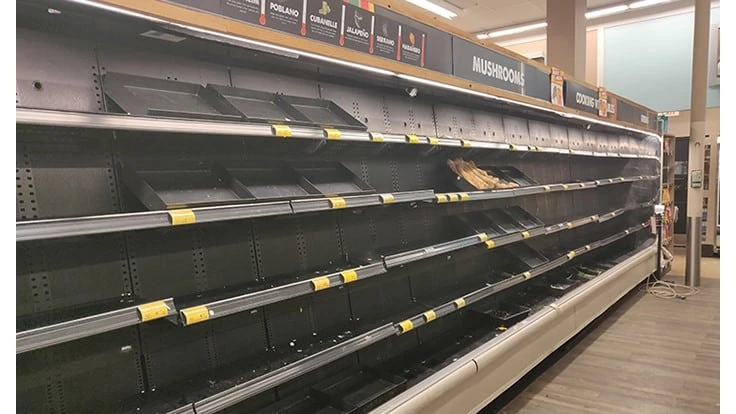
FDA has been assuring the American public that there is no nationwide shortage of food, that local outages of certain products are the result of unprecedented demand during the COVID-19 pandemic. At the same time, there are reports of food plants closing because of illnesses and farmers dumping milk and plowing under crops because their customers, including restaurants and schools, have been closed by social distancing mandates.
FDA also has been assuring the American public that the food supply is safe. At the same time, routine surveillance inspections of farms and food facilities have been postponed.
Will food industry actions lead to food shortages? And how does the agency know that food is safe? On April 16, Frank Yiannas, FDA Deputy Commissioner for Food Policy and Response Frank Yianna provided the FDA perspective on these questions, explained what FDA is doing to help divert the excess food directly to consumers, the agency’s continuing regulation, the status of the New Era of Smarter Food Safety, and lessons learned from the pandemic that will lessons learned that will inform FDA’s work in the years to come.
Read the full Q&A at FDA’s Perspective on Food Safety and Availability During and Beyond COVID-19.
Latest from Quality Assurance & Food Safety
- Director General of IICA and Senior USDA Officials Meet to Advance Shared Agenda
- EFSA and FAO Sign Memorandum of Understanding
- Ben Miller Breaks Down Federal Cuts, State Bans and Traceability Delays
- Michigan Officials Warn Recalled ByHeart Infant Formula Remains on Store Shelves
- Puratos USA to Launch First Professional Chocolate Product with Cultured Cocoa
- National Restaurant Association Announces Federal Policy Priorities
- USDA Offloads Washington Buildings in Reorganization Effort
- IDFA Promotes Andrew Jerome to VP of Strategic Communications and Executive Director of Foundation