Adobe Stock | Diana Vyshniakova
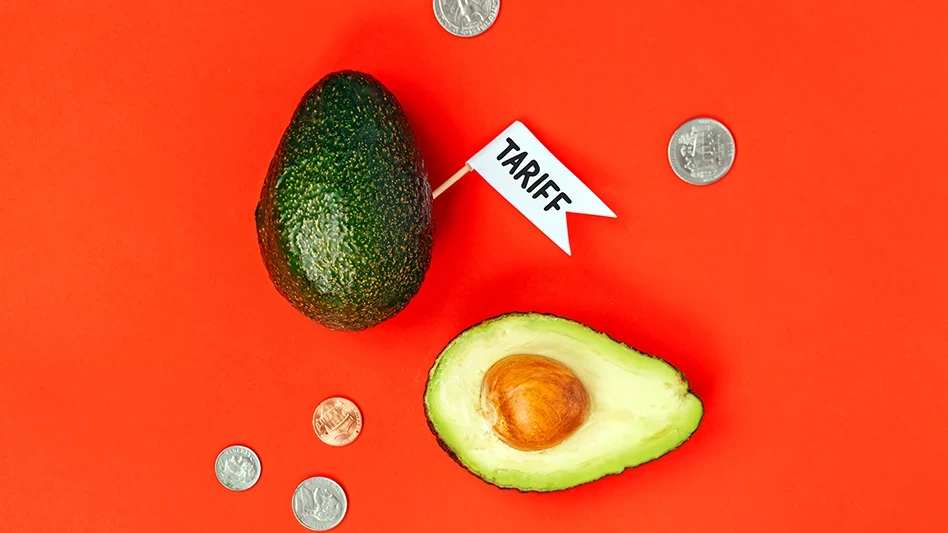
WASHINGTON, D.C. — President Donald Trump signed an executive order Nov. 14 rolling back tariffs on certain food and agricultural products previously imposed under an April mandate.
Products now exempt from tariffs include:
- coffee and tea
- tropical fruits (such as avocados, pineapples and mangos) and fruit juices
- tree nuts such as cashews, chestnuts, macadamia nuts and Brazil nuts
- cocoa and spices
- bananas, oranges and tomatoes
- certain beef cuts
Trump first announced the reciprocal tariff policy April 2, and later modified its scope in September.
In the Nov. 14 order, the administration cited input from federal officials, negotiations with trading partners, domestic demand for certain products and the United States’ capacity to produce certain products as key factors in determining which food products would be exempt.
The complete list of exempted food and agricultural products can be viewed here.
Industry Groups Welcome Tariff Relief.
The International Fresh Produce Association (IFPA) praised the action, noting the importance of supply and affordability for consumers.
“We welcome the Trump administration’s recognition that supporting a healthier America requires keeping fruits and vegetables affordable and available,” IFPA said in a Nov. 14 release. “Today’s announcement acknowledges that easing cost pressures on items not grown domestically in sufficient supply is essential to maintaining the affordability of high-quality fresh produce products.
“For years, IFPA has emphasized that tariffs on products not produced at scale year-round could place an avoidable burden on families, limit healthy choices and disrupt the marketplace. We have consistently advocated for the removal of tariffs and non-tariff barriers that are unscientific or not risk-based on fresh produce. Because of the seasonal and geographic nature of certain commodities, consumers and growers both benefit from fair trade in fresh produce and floral products.”
FMI – The Food Industry Association cited benefits for both the food supply chain and consumers.
“Today’s action should help consumers, whose morning cup of coffee will hopefully become more affordable, as well as U.S. manufacturers, which utilize many of these products in their supply chains and production lines,” said FMI President and CEO Leslie G. Sarasin. “Many factors impact the price of food on grocery store shelves — including weather and crop yields, energy and transportation costs, packaging and labor, among many others. Tariffs are an important factor in this complex mix of supply chain effects. President Trump’s proclamation to reduce tariffs on a substantial volume of food imports is a critical step ensuring continued adequate supply at prices consumers can afford.”
The American Spice Trade Association (ASTA) noted that many spices must be grown in tropical climates and cannot be commercially cultivated in the United States.
“After many months of working with key administration officials, ASTA is pleased that President Trump and his team have modified trade policy to acknowledge agricultural commodities that cannot be grown in the U.S.,” said Laura Shumow, ASTA executive director. “Many essential spices, including cinnamon, pepper, nutmeg, cloves and vanilla, require tropical conditions and cannot be cultivated domestically on a commercial scale. Tariffs on these products do not stimulate U.S. production, create American jobs, or lower costs for working families.”
Michelle Korsmo, National Restaurant Association president and CEO, applauded the executive order, pointing to financial relief for restaurants and consumers alike.
"This action delivers needed relief for restaurants and their customers at a time when food costs have risen nearly 40% over the past four years,” said Korsmo. “We remain committed to working with the administration to address remaining tariffs, including country-specific ones, to keep restaurant prices affordable and supply chains strong for businesses and diners alike.
"Restaurants depend on a steady, affordable supply of ingredients year-round. While we prioritize U.S. sourcing, many products simply cannot be grown domestically due to seasonal and climate limitations. This action will help keep menus diverse and prices reasonable, which is good for families and great for local businesses. Restaurants are more than places to eat; they're the cornerstones of our communities and a big part of what keeps our economy moving.”
Editor’s Note: Check back for additional QA magazine reporting on the tariffs’ ongoing impact on food safety.
Latest from Quality Assurance & Food Safety
- WHO to Release New Foodborne Disease Estimates for World Food Safety Day
- Ajinomoto Foods Recalls Products Due to Potential Glass Contamination
- Grubhub Introduces Drone-Powered Food Delivery Program
- FSIS Releases 2025 Foodborne Illness Outbreak Investigations Report
- EWG Analysis Flags 111 Ingredients Added to Foods Through GRAS
- FDA Releases Risk Assessment of Foodborne Illness from Produce with Untreated BSAAO
- Catalyst Food Leaders Announces 2026 Virtual Leadership Summit
- FDA to Hold Public Meeting on Dietary Supplements