InfinityQS International, Inc., a data, technology, and manufacturing company that creates enterprise visibility and promotes global transformation, advises manufacturers to use forgotten quality data to turn problems into profit. Quality is more than monitoring production lines, ensuring proper quality checks, and “fixing” out-of-specification processes. Quality data can and should be used beyond the plant floor (its first life). By repurposing historical quality data, manufacturers attain top-down, enterprise visibility—from supplier to buyer—and actionable, operational insights (the data’s second life) that unveil new opportunities to reduce costs and drive global business transformation.
Following are three ways to use quality data in its second life to strategically turn data into profit and quality into a competitive advantage.
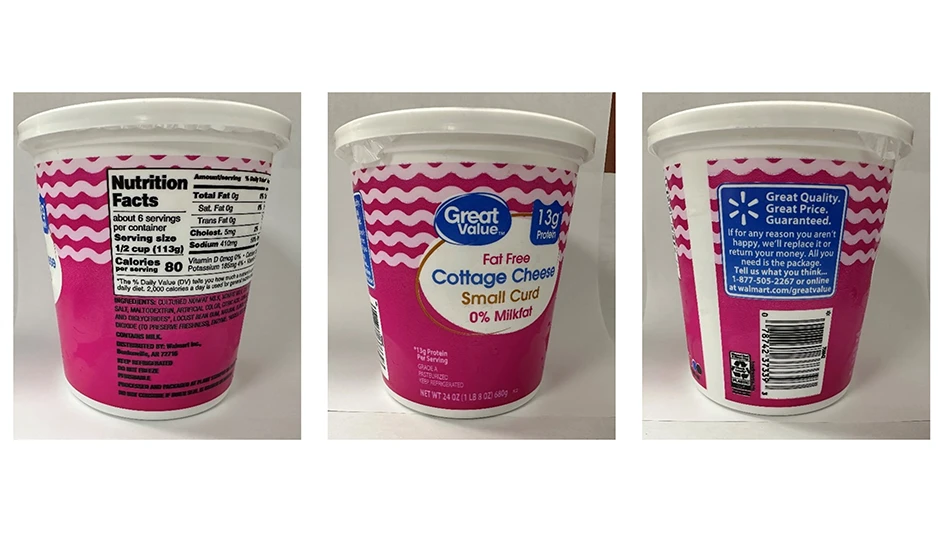
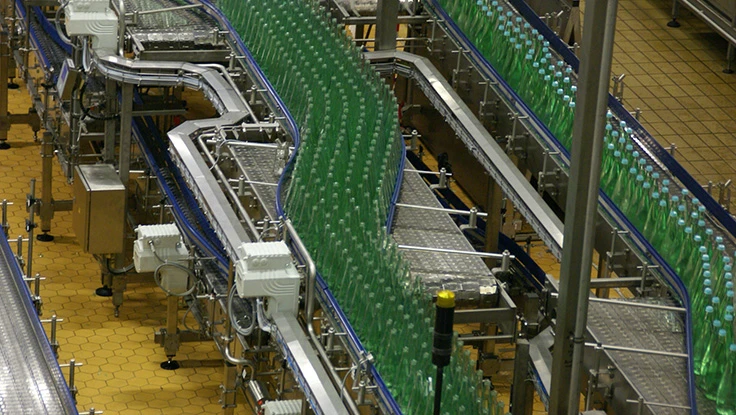
- Reduce Overfill for Cost Savings. Whether filling bottles of soda, cartons of ice cream, or vials of perfume, manufacturers must meet net content requirements, while minimizing “giveaway.” Though it is possible to use quality data to make instant adjustments on a production line and reduce overfill at a particular plant, it is just as important to look at aggregated data across operations and products to make an enterprise-wide, financial impact. A consumer goods manufacturer eliminated overfill on 12 production lines in a single facility to save more than $250,000 in two years. Applied to multiple facilities, the sustainable annual cost savings exceeds $1 million.
- Standardize Machine Settings to Eliminate Variation. Manufacturing facilities run multiple shifts per day, each with a different crew and unique preferences to ensure operations run smoothly and efficiently. But, some strategies prove to be more effective than others if evaluated side-by-side. A multi-national food manufacturer compared quality data from one shift to the next to identify optimum machine settings. By standardizing on these settings, the manufacturer eliminated variation among shifts, reduced giveaway and the associated ingredient costs, and ultimately produced a more consistent, higher quality product.
- Use Single Plant Success to Improve Company-wide Performance. Plant managers focus on their own plant’s productivity, compliance, and performance. Executives want to compare plant-to-plant to see how manufacturing operations are performing overall. If quality data from all facilities are rolled up to the C-suite and analyzed, it’s possible to see which plant is performing the best and worst. After being given an ultimatum to improve his plant’s performance, a plant manager for a packaging manufacturer used the same quality data that determined the facility’s shortcomings to identify areas for improvement and within six months became the top performing plant. He was then tasked with replicating these best practices to other underperforming plants and quickly began reducing costs, recalls, and defects.
“In today’s hyper-competitive and increasingly complex marketplace, manufacturers and their global supply chain partners need to find ways to function better, faster, and more cost effectively," said Michael Lyle, president and CEO, InfinityQS. But even though the tools exist to use second-life-of-data strategies to inspire company-wide global transformation, few organizations dedicate the resources necessary to see a real financial impact. Embracing the ‘second life’ of data changes the meaning of quality, creating sustainable business and competitive advantages.”
Latest from Quality Assurance & Food Safety
- Director General of IICA and Senior USDA Officials Meet to Advance Shared Agenda
- EFSA and FAO Sign Memorandum of Understanding
- Ben Miller Breaks Down Federal Cuts, State Bans and Traceability Delays
- Michigan Officials Warn Recalled ByHeart Infant Formula Remains on Store Shelves
- Puratos USA to Launch First Professional Chocolate Product with Cultured Cocoa
- National Restaurant Association Announces Federal Policy Priorities
- USDA Offloads Washington Buildings in Reorganization Effort
- IDFA Promotes Andrew Jerome to VP of Strategic Communications and Executive Director of Foundation