A new study calls for more sensitive analytical methods to better incorporate differences in susceptibility between children and adults when determining exposure to Bisphenol A (BPA), a chemical found in food packaging.
The scientists involved, according to the findings published in Environmental Health Perspectives, concluded that the amount of BPA circulating in the blood of babies is more than 11 times higher than the amount in adult blood.
The authors evaluated animal and available human studies to determine how long the chemical might stay in a baby's system, and they found that the key liver enzyme that is needed to eliminate the chemical from the blood and body is lower at birth than it is in an older person.
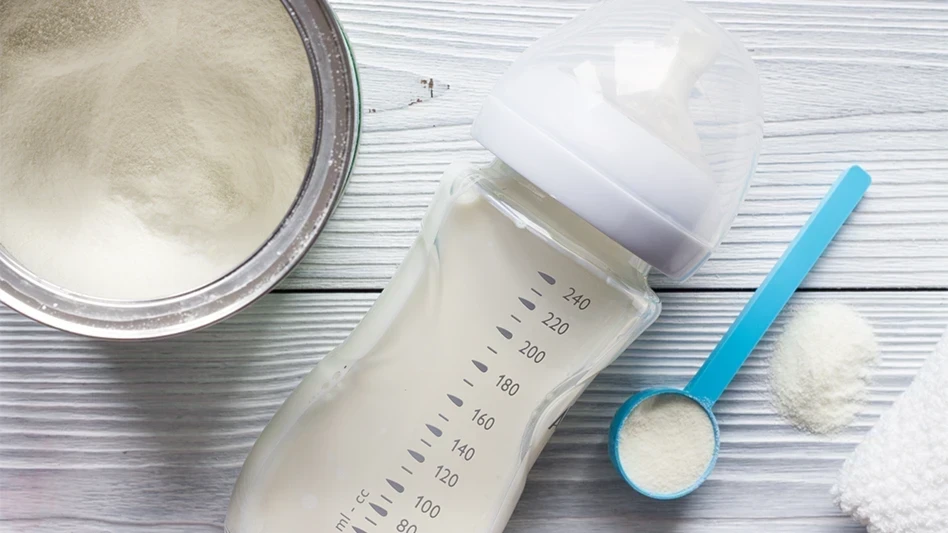
BPA is used in certain packaging materials such as polycarbonates for baby food bottles. It is also used in epoxy resins for internal protective linings for canned food, infant formula and metal lids.
A recent study by a team of UK researchers found that higher concentrations of the chemical in urine were linked with heart disease, type 2 diabetes and liver enzyme abnormalities, and the U.S. National Toxicology Program (NTP) said that effects on reproductive development from BPA in packaging cannot be ruled out.
Source: FoodProductionDaily.com
Latest from Quality Assurance & Food Safety
- Director General of IICA and Senior USDA Officials Meet to Advance Shared Agenda
- EFSA and FAO Sign Memorandum of Understanding
- Ben Miller Breaks Down Federal Cuts, State Bans and Traceability Delays
- Michigan Officials Warn Recalled ByHeart Infant Formula Remains on Store Shelves
- Puratos USA to Launch First Professional Chocolate Product with Cultured Cocoa
- National Restaurant Association Announces Federal Policy Priorities
- USDA Offloads Washington Buildings in Reorganization Effort
- IDFA Promotes Andrew Jerome to VP of Strategic Communications and Executive Director of Foundation