Studies are underway to investigate the use of galacto-oligosaccharides to protect animals from Salmonella infection, both to reduce the risk of the bacteria entering the food chain and increase knowledge on prebiotics' benefits.
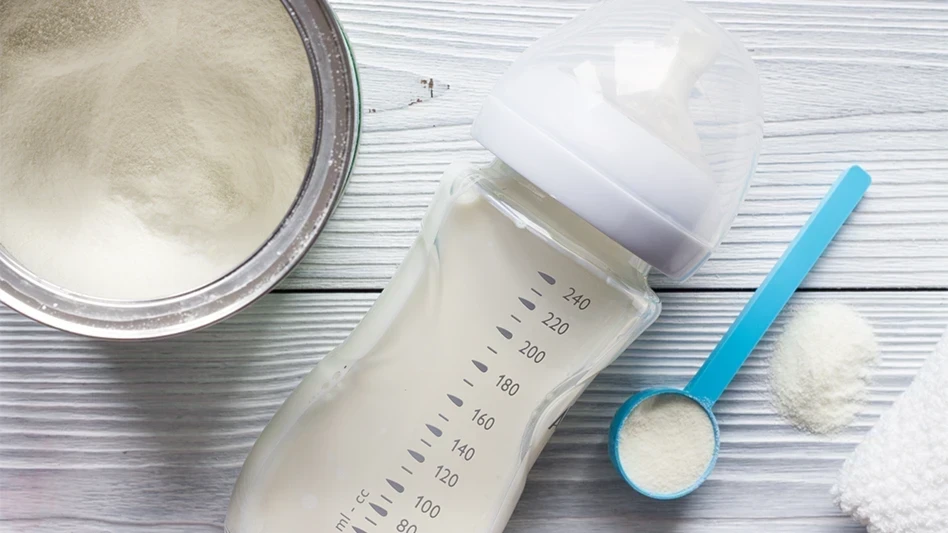
Galacto-oligosaccharides are prebiotics that occur naturally in breast milk and are known to play a role in building the healthy of infants at a time when their immune systems are undeveloped.
They have also been used in foods aimed at adults, to help foster growth of beneficial bacteria in the gut and alleviate the symptoms of irritable bowel syndrome — as well as stomach upsets and diarrhoea.
Now, however, researchers are looking at using prebiotics further up the food chain, in place of antibiotics to block pathogens and stop animals getting sick.
Laura Searle from the Veterinary Laboratories Agency in the UK is reporting positive findings on the use of a mixture of galacto-oligosaccharide mixture intended for human use, in a murine model.
So far her work has centered around reducing the invasion capabilities of Salmonella typhimurium and reducing the seriousness of the symptoms in the mice.
After treatment with the mixture, fewer Salmonella bacteria were found in systemic and intestinal tissues, she reports.
Read the full FoodProductionDaily.com story here.
Latest from Quality Assurance & Food Safety
- Director General of IICA and Senior USDA Officials Meet to Advance Shared Agenda
- EFSA and FAO Sign Memorandum of Understanding
- Ben Miller Breaks Down Federal Cuts, State Bans and Traceability Delays
- Michigan Officials Warn Recalled ByHeart Infant Formula Remains on Store Shelves
- Puratos USA to Launch First Professional Chocolate Product with Cultured Cocoa
- National Restaurant Association Announces Federal Policy Priorities
- USDA Offloads Washington Buildings in Reorganization Effort
- IDFA Promotes Andrew Jerome to VP of Strategic Communications and Executive Director of Foundation