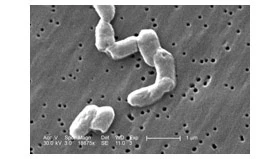
It turns out that the picky appetite of the Salmonella bacteria might be its downfall. Researchers have found that Salmonella relies on a very specific nutrient to survive, and blocking the bacteria's access to this nutrient can essentially "starve" the infection.
According to a study published in the journal PLOS Pathogens, researchers have found a way to quickly and effectively starve the bacteria, avoiding the infection's potential long-term consequences, such as reactive arthritis.
Researchers stumbled upon this discovery when screening for genes that have to be expressed for Salmonella to survive during gastroenteritis - the phase when immune responses from the gut cause symptoms in an effort to fight the infection.
They discovered five vital genes that work together to transport a very specific nutrient, fructose-asparagine (F-Asn), to the bacterial cells to be consumed for energy.
Latest from Quality Assurance & Food Safety
- Director General of IICA and Senior USDA Officials Meet to Advance Shared Agenda
- EFSA and FAO Sign Memorandum of Understanding
- Ben Miller Breaks Down Federal Cuts, State Bans and Traceability Delays
- Michigan Officials Warn Recalled ByHeart Infant Formula Remains on Store Shelves
- Puratos USA to Launch First Professional Chocolate Product with Cultured Cocoa
- National Restaurant Association Announces Federal Policy Priorities
- USDA Offloads Washington Buildings in Reorganization Effort
- IDFA Promotes Andrew Jerome to VP of Strategic Communications and Executive Director of Foundation