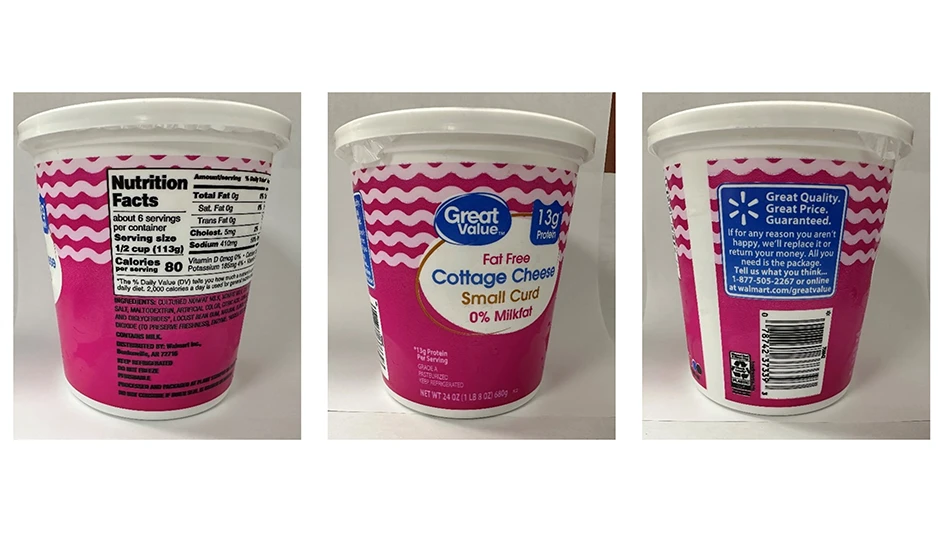
As of November 24, a total of 68 persons infected with the outbreak strains have been reported from 10 states. The number of ill people identified in each state is as follows: Connecticut (4), Maine (3), Massachusetts (31), Montana (1), New Hampshire (4), New York (5), Ohio (1), Pennsylvania (10), Rhode Island (6), and Vermont (3). The one ill person from Montana traveled to the Eastern United States during the period when likely exposure occurred.
Illness onset dates range from September 30, 2014 to November 10, 2014. Ill persons range in age from younger than one year to 83 years, with a median age of 31 years. Fifty-six percent of ill persons are female. Among 43 persons with available information, 11 (26%) have been hospitalized, and no deaths have been reported.
This outbreak can be visually described with a chart showing the number of persons who became ill each day. This chart is called an epidemic curve or epi curve. Illnesses that occurred after November 4, 2014 might not yet be reported due to the time it takes between when a person becomes ill and when the illness is reported. This takes an average of 2 to 4 weeks. Please see the Timeline for Reporting Cases of Salmonella Infection for more details.
Investigation Update
CDC's National Antimicrobial Resistance Monitoring System (NARMS) laboratory is currently conducting antibiotic resistance testing on clinical isolates collected from ill persons infected with the outbreak strains of Salmonella Enteritidis. Results of this testing will be reported when they become available. NARMS is a U.S. public health surveillance system that tracks antimicrobial resistance in foodborne and other enteric bacteria found in people, raw meat and poultry, and food-producing animals. NARMS is an interagency partnership among the CDC, the US Food and Drug Administration (FDA), the USDA, and state and local health departments. The NARMS human surveillance program monitors antibiotic resistance in Salmonella, Campylobacter, Shigella, Escherichia coli O157, and Vibrio bacteria isolated from clinical specimens and submitted to NARMS by public health laboratories.
CDC and state and local public health partners are continuing laboratory surveillance through PulseNet to identify additional ill persons and to interview them about foods they ate before they became ill. This ongoing investigation is rapidly evolving, and CDC will update the public when additional information is available.
Latest from Quality Assurance & Food Safety
- Director General of IICA and Senior USDA Officials Meet to Advance Shared Agenda
- EFSA and FAO Sign Memorandum of Understanding
- Ben Miller Breaks Down Federal Cuts, State Bans and Traceability Delays
- Michigan Officials Warn Recalled ByHeart Infant Formula Remains on Store Shelves
- Puratos USA to Launch First Professional Chocolate Product with Cultured Cocoa
- National Restaurant Association Announces Federal Policy Priorities
- USDA Offloads Washington Buildings in Reorganization Effort
- IDFA Promotes Andrew Jerome to VP of Strategic Communications and Executive Director of Foundation