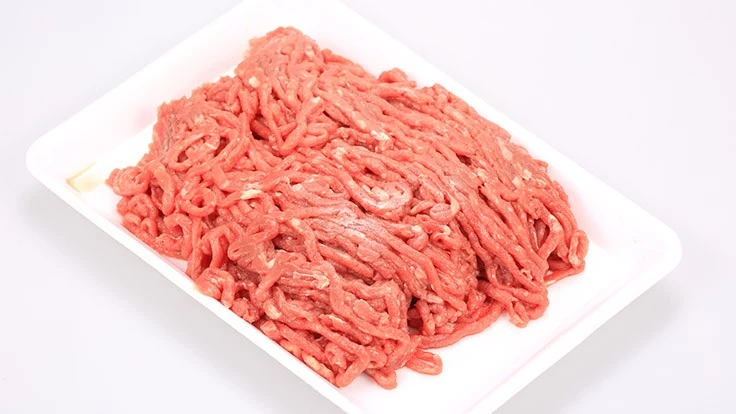
CDC, USDA’s Food Safety and Inspection Service (USDA-FSIS) and public health and regulatory officials in several states are investigating a multistate outbreak of Salmonella Dublin infections linked to ground beef. Public health investigators are using whole genome sequencing (WGS) and the PulseNet system to identify illnesses that may be part of this outbreak.
As of November 1, 2019, 10 people infected with the outbreak strain of Salmonella Dublin have been reported from six states: Colorado (3), California (2), Kansas (2), Iowa (1), Oklahoma (1), Texas (1). Illnesses started on dates ranging from August 8, 2019, to September 22, 2019. One death has been reported in California. Of the other nine ill people with information available, eight (89%) were hospitalized. This is much higher than CDC expects for Salmonella infections, as the hospitalization rate is usually about 20%. In five (50%) ill people, Salmonella was found in samples of blood, which indicates their illnesses may have been more severe. According to CDC, Salmonella Dublin illnesses are typically more severe because they can cause bloodstream infections, which are serious and require hospitalization. Additionally, illnesses might not yet be reported because it averages two to four weeks after someone becomes ill when the illness is reported.
The WGS analysis did not identify any antibiotic resistance in 16 bacterial isolates from 10 ill people and six food specimens. epidemiologic and laboratory evidence indicates that ground beef might be contaminated with Salmonella Dublin and is making people sick. At this time, the investigation has not identified a single, common supplier of ground beef. Of eight people interviewed, six (75%) reported eating ground beef at home. This percentage is significantly higher than results from a survey [PDF – 787 KB] of healthy people in which 40% of respondents reported eating any ground beef at home in the week before they were interviewed. Ill people reported buying ground beef from various stores.
Laboratory testing identified the outbreak strain of Salmonella Dublin in repackaged leftover ground beef collected from an ill person’s home in California. The outbreak strain also has been identified in six samples of raw beef products from slaughter and processing establishments. Samples from slaughter and processing establishments were collected as part of FSIS’ routine testing under the Salmonella performance standards. WGS showed that the Salmonella strain from these samples was closely related genetically to the Salmonella from ill people. These results provide more evidence that people in this outbreak got sick from eating ground beef. However, at this time, the investigation has not identified a single, common supplier of ground beef.
Latest from Quality Assurance & Food Safety
- FDA Releases Produce Regulatory Program Standards
- Invest in People or Risk the System: Darin Detwiler and Catalyst Food Leaders on Building Real Food Safety Culture
- USDA Proposes Increasing Poultry, Pork Line Speeds
- FDA Releases New Traceability Rule Guidance
- TraceGains and iFoodDS Extend Strategic Alliance
- bioMérieux Launches New Platform for Spoiler Risk Management
- SafetyChain Receives SOC 2 Type 2 Certification
- Puratos Acquires Pennsylvania-Based Vör Foods