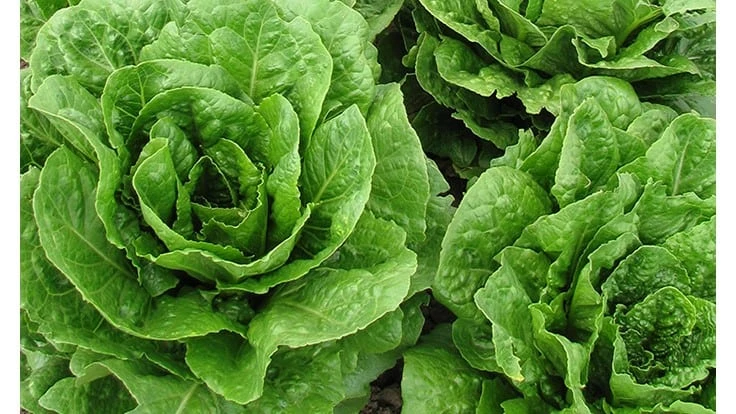
In its latest update on the continuing investigation of E. coli O157:H7 outbreak linked to romaine, FDA reiterated that epidemiologic, laboratory, and traceback evidence indicates that romaine lettuce from the Salinas, Calif., growing region is a likely source of this outbreak. However, the update stated that FDA does not currently have enough traceback information to identify the specific source of the contamination that would allow us to request a targeted recall from specific growers.
Because of this, FDA is continuing to recommend that consumers not eat romaine lettuce harvested from Salinas or any products identified in the November 21 USDA recall announcement; restaurants and retailers not serve or sell romaine harvested from Salinas or that for which the source is not known; suppliers, distributors and others in the supply chain not ship or sell romaine harvested in Salinas or from an unknown source. The Salinas region is defined as including the California counties of Santa Cruz, Santa Clara, San Benito, and Monterey.
FDA also requested that industry voluntarily withdraw romaine grown in Salinas from the market and withhold distribution of Salinas romaine for the remainder of the growing season in Salinas. “Without more specific traceback information, this was the most efficient way to ensure that contaminated romaine was off the market,” the update said.
According to CDC, there have been 102 cases reported in 23 states. The latest date that one of these patients reports becoming ill was on November 18, 2019. Due to
At this time, romaine lettuce that was harvested outside of the Salinas region has not been implicated, nor has hydroponically and greenhouse-grown romaine, which is voluntarily labeled as “indoor grown,” from any region. There is no recommendation for consumers to avoid using romaine harvested from these other sources.
The FDA and state partners are continuing to conduct a traceback investigation to determine whether a common supplier or source of contamination can be identified. This investigation involves collecting and analyzing potentially hundreds of distribution records to trace the romaine that may have been available at points of exposure reported by ill people to their source.
Latest from Quality Assurance & Food Safety
- Director General of IICA and Senior USDA Officials Meet to Advance Shared Agenda
- EFSA and FAO Sign Memorandum of Understanding
- Ben Miller Breaks Down Federal Cuts, State Bans and Traceability Delays
- Michigan Officials Warn Recalled ByHeart Infant Formula Remains on Store Shelves
- Puratos USA to Launch First Professional Chocolate Product with Cultured Cocoa
- National Restaurant Association Announces Federal Policy Priorities
- USDA Offloads Washington Buildings in Reorganization Effort
- IDFA Promotes Andrew Jerome to VP of Strategic Communications and Executive Director of Foundation