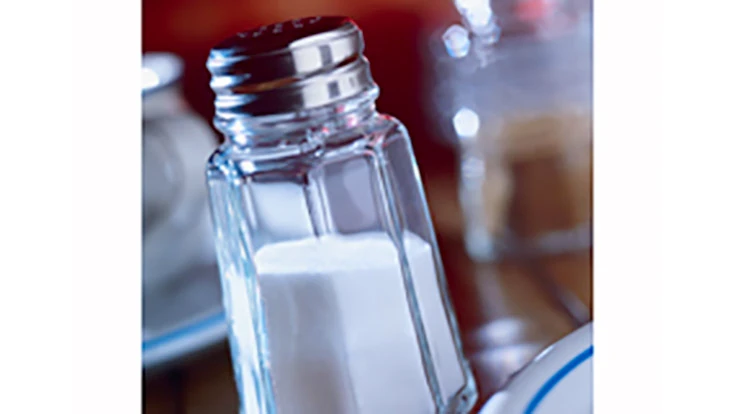
The updated dietary guidelines released by the USDA suggest a daily sodium intake of 2300 milligrams for the average person, and 1500 milligrams for ages 50+, but according to a new report from The NPD Group, a market research company, all generations consume above those recommendations.
Seniors, born before 1946, and older Baby Boomers, born 1946-1955, are on average consuming 2912 mg and 3199 mg of sodium daily, respectively, according to the report, "Sodium Concerns and Opportunities." While still above the guidelines, these are the lowest levels seen among the generations. These age groups, which have a higher incidence of high blood pressure and other heart-health related issues, also commonly check nutrition labels for sodium levels in the products they buy.
Younger Boomers, born 1956-1964, are not taking on the same behaviors as seniors and older Boomers in quite the same numbers yet in terms of sodium consumption. On average, this age group consumes 3280 mg of sodium daily. However, over the next 10 years, this entire group will be over the age of 55 and may then have many of the same heart-related issues the older age groups have now and will likely become more concerned about sodium.
Millennials, adults primarily in their 20s, consume the most sodium than any other generation, consuming, on average, 3485 mg of sodium per day. This age group also has the fewest health concerns and the most relaxed attitude toward sodium intake.
"The challenges in getting Americans closer to the guidelines are multi-faceted. Salt is an important ingredient in making foods taste good. Simply removing sodium from foods and/or beverages will likely be met with consumer resistance," says Darren Seifer, food and beverage industry analyst at NPD and author of the sodium report. "In addition, eating habits are difficult to change. We tend to change our habits when there is a present need, such as a medical condition, as opposed to eating right for the long term. Offering popular foods and beverages with lower sodium, while maintaining their taste profiles, is a good start in shifting current sodium consumption behavior."
Latest from Quality Assurance & Food Safety
- FDA Releases Produce Regulatory Program Standards
- Invest in People or Risk the System: Darin Detwiler and Catalyst Food Leaders on Building Real Food Safety Culture
- USDA Proposes Increasing Poultry, Pork Line Speeds
- FDA Releases New Traceability Rule Guidance
- TraceGains and iFoodDS Extend Strategic Alliance
- bioMérieux Launches New Platform for Spoiler Risk Management
- SafetyChain Receives SOC 2 Type 2 Certification
- Puratos Acquires Pennsylvania-Based Vör Foods