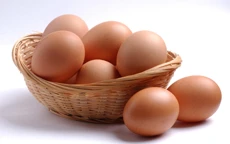
New data issued by the USDA reports the cholesterol content of eggs has dropped significantly since levels previously measured in 2002. The USDA recently reviewed the nutrient composition of standard large eggs and results show the average amount of cholesterol in one large egg - or its 50-gram equivalent within the further processed egg ingredient category - is 185 mg, or 12 percent lower than recorded in 2002. The analysis also reported that large eggs now contain 41 IU of vitamin D, an increase of 64 percent over the last recorded analysis.
Researchers state one possible explanation for the lower cholesterol content of eggs could relate to nutritional improvements in poultry feed. The high-quality, nutritionally balanced diet of feed is made up mostly of corn, soybean meal, vitamins and minerals.
The egg is one of the few natural sources of vitamin D, in addition to lutein, zeaxanthin, choline and other vitamins and minerals. The yolk provides the majority of the vitamins and minerals found in an egg, including most of the choline and vitamin B12, and approximately 40 percent of the protein. One large egg - about 50 grams worth - provides 6 grams of highly digestible protein - and eggs are rated 1.0 or a perfect score on the PDCAAS (Protein Digestibility Corrected Amino Acid Score). Eggs are an excellent source of choline and selenium and a good source of protein, vitamin D, phosphorous, and riboflavin.
Information on the research is available at USDA/ARS.
More information about egg products and their functionality is available at AEB, under the "Food Manufacturers" tab.
Latest from Quality Assurance & Food Safety
- FDA Releases Produce Regulatory Program Standards
- Invest in People or Risk the System: Darin Detwiler and Catalyst Food Leaders on Building Real Food Safety Culture
- USDA Proposes Increasing Poultry, Pork Line Speeds
- FDA Releases New Traceability Rule Guidance
- TraceGains and iFoodDS Extend Strategic Alliance
- bioMérieux Launches New Platform for Spoiler Risk Management
- SafetyChain Receives SOC 2 Type 2 Certification
- Puratos Acquires Pennsylvania-Based Vör Foods