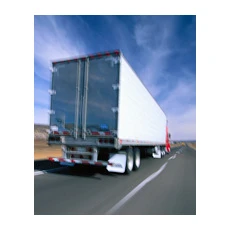
Proper transport of processed foods and raw commodities is particularly important during the summer months. This is because, as stated by the pest management company McCloud Services, pest infestations are more likely to increase during these times, which can impact food quality and consumer health.
Several factors contribute to the heightened awareness of food safety throughout the chain of custody, such as The Food Safety Modernization Act (FSMA), the creation of more stringent auditing schemes and growing media attention around food borne illnesses directly affecting consumers. Pest infestations during transport can corrupt food quality when left unchecked, can infest the food facilities to which they are delivered, and can create significant waste when the quality of food has been sacrificed.
“Proper transportation of food items is often times overlooked, and transportation directly impacts issues such as spoilage, pest infestation, packing integrity and food quality. Whether the delivery system is by rail, waterway or road, recognition of possible pitfalls and the implantation of best practices will yield a better product and reduce risk to the consumer,” said Jeffry Jones, fumigation manager for McCloud Services.
There are many conditions through transport channels that can put products at risk for pest infestation. Some of those scenarios include:
- Transporting products in seasonally high temperatures or in warmer climates
- Understanding the delivery line on lengthy shipping times of imports at the port
- Shipment routes and handling that require product to stay on a vessel, ground transport or railcar longer than necessary
- Shipment of goods conducive to pest activity- flour, corn, wheat and most dried food products
- Products not packaged in metal, heavy plastic containers or tightly closed glass
- Unsanitary conditions or infestation present on transport vehicle
Proper prevention of pest infestations include the use of fumigants authorized by the federal government, and having a proper plan in place to predict pending problems, acting swiftly when an issue does occur, having a proper plan in place to predict pending problems, acting swiftly when an issue does occur, having efficient routing systems in place, managing inventories to eliminate surplus and preventing historical challenges with susceptible products by strategic fumigation principles.
To learn more about the importance of transportation in the chain of custody, download McCloud Services’ white paper, Transportation in the Chain of Custody. Learn more about McCloud Services’ fumigation services http://mccloudservices.com/services/structural-container-fumigation or contact McCloud at 800-332-7805 or contact@mccloudservices.com.
Latest from Quality Assurance & Food Safety
- FDA Releases Produce Regulatory Program Standards
- Invest in People or Risk the System: Darin Detwiler and Catalyst Food Leaders on Building Real Food Safety Culture
- USDA Proposes Increasing Poultry, Pork Line Speeds
- FDA Releases New Traceability Rule Guidance
- TraceGains and iFoodDS Extend Strategic Alliance
- bioMérieux Launches New Platform for Spoiler Risk Management
- SafetyChain Receives SOC 2 Type 2 Certification
- Puratos Acquires Pennsylvania-Based Vör Foods