PepsiCo
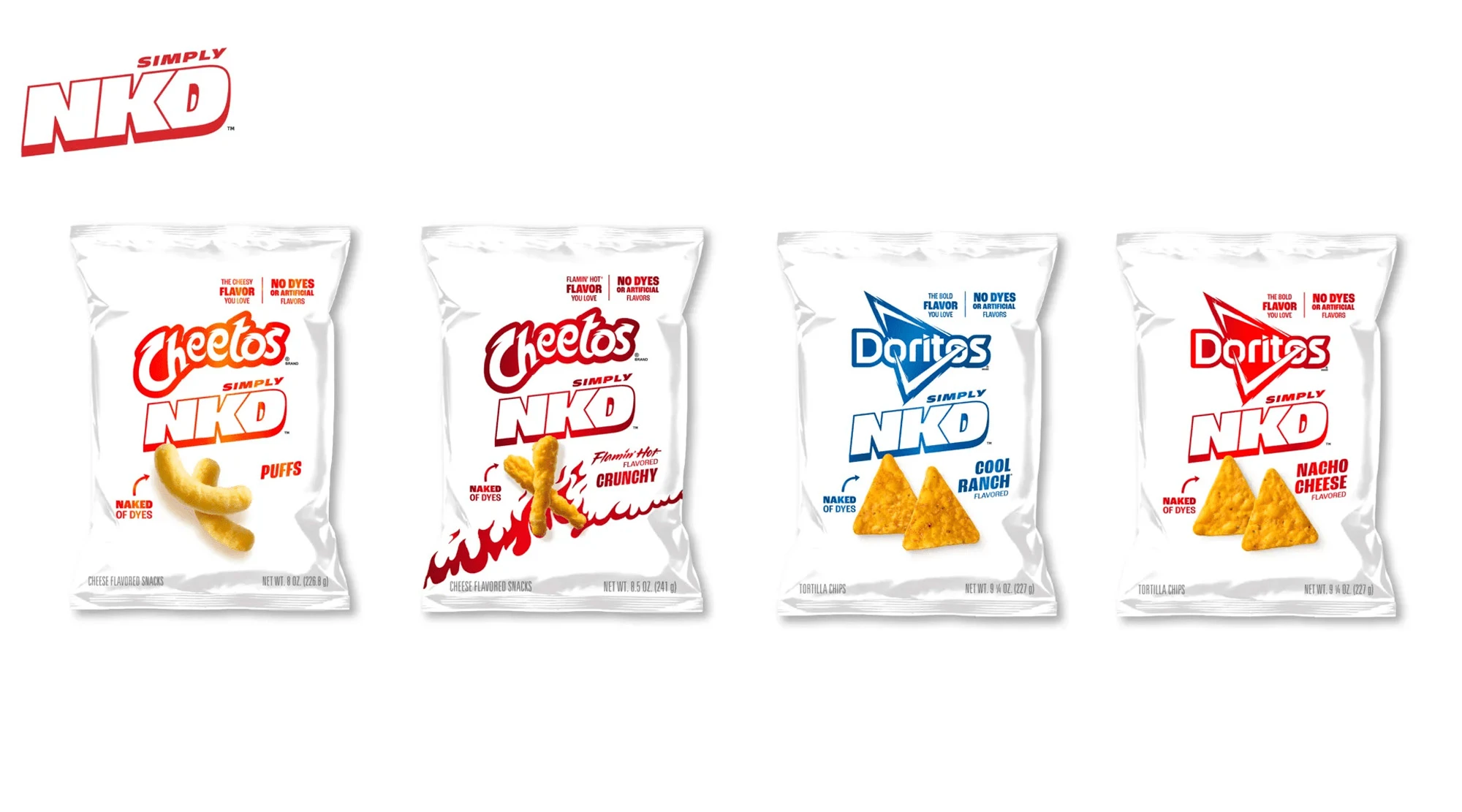
PepsiCo recently announced the launch of Simply NKD, a line of products that includes a reinvention of the brand’s popular Doritos and Cheetos flavors without artificial flavors, dyes and colors.
The current Simply NKD line of products includes:
- Doritos Simply NKD Nacho Cheese
- Doritos Simply NKD Cool Ranch
- Cheetos Simply NKD Puffs
- Cheetos Simply NKD Flamin’ Hot
The Simply NKD products will be available in stores starting Dec. 1.
“Rest assured, our iconic Cheetos and Doritos remain unchanged. NKD is an additive option, not a replacement, introduced to meet consumer demand,” said Rachel Ferdinando, CEO of PepsiCo Foods U.S., in a news release. "This move underscores our commitment to flavor leadership, demonstrating that our taste remains strong even without visual cues. As part of our broader transformation, we are expanding choices while still protecting our iconic brands. More choices, same flavor, same brand power."
When Robert F. Kennedy Jr. became the United States Secretary of Health and Human Services earlier this year and set in place the Make America Healthy Again (MAHA) movement, he began targeting food additives, linking them to chronic disease and other health issues.
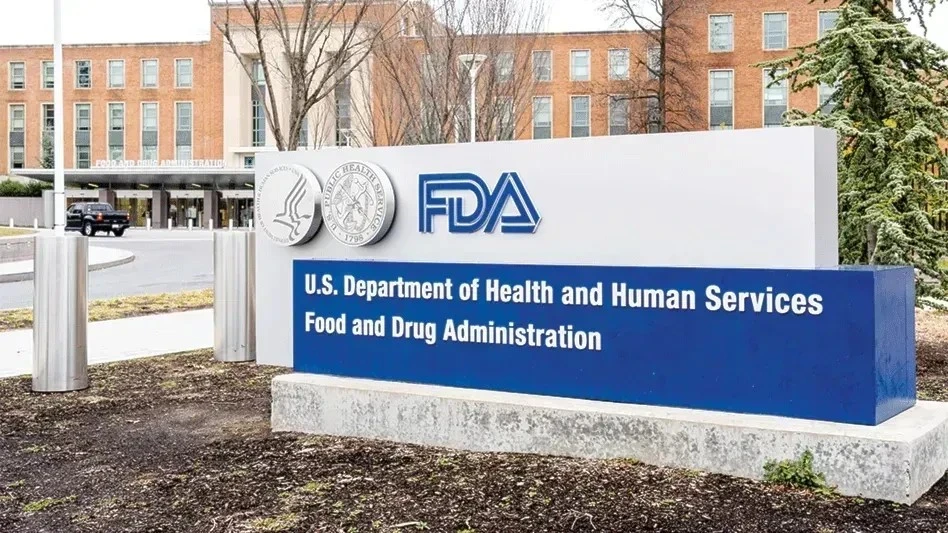
In April, the U.S. Department of Health and Human Services and the Food and Drug Administration announced a plan to phase out eight artificial food dyes and colorings from the country’s food supply. As a result of the MAHA movement’s target on food additives, many food companies have been announcing the elimination of artificial flavors and dyes in their products.
Food scientists have raised concerns about the MAHA movement’s approach to targeting food additives and ultra-processed foods, saying more research is needed on the concerns related to chronic disease and more recognition is needed of the social factors (limited healthcare access, poverty, etc.) contributing to regular consumption of foods with additives.
Latest from Quality Assurance & Food Safety
- WHO to Release New Foodborne Disease Estimates for World Food Safety Day
- Ajinomoto Foods Recalls Products Due to Potential Glass Contamination
- Grubhub Introduces Drone-Powered Food Delivery Program
- FSIS Releases 2025 Foodborne Illness Outbreak Investigations Report
- EWG Analysis Flags 111 Ingredients Added to Foods Through GRAS
- FDA Releases Risk Assessment of Foodborne Illness from Produce with Untreated BSAAO
- Catalyst Food Leaders Announces 2026 Virtual Leadership Summit
- FDA to Hold Public Meeting on Dietary Supplements