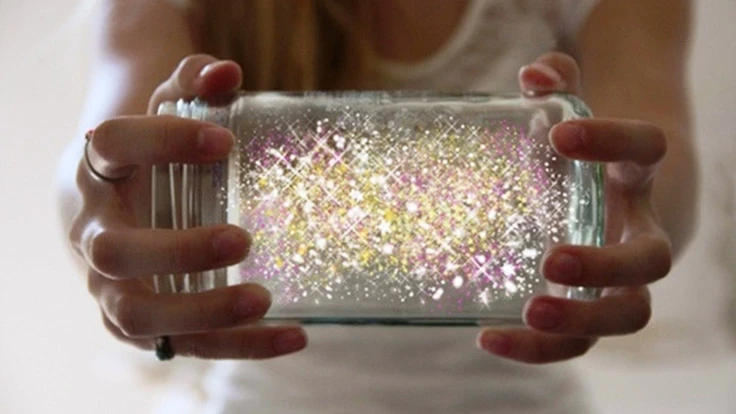
A new and economical way to sterilize flexible packaging and its contents has been developed by Performance Packaging of Nevada. The patented process features a unique “liquid-to-gas” sterilization process that has been code-named “Pixie Dust” by the company.
- Advantages of the Pixie Dust process cited by the company include:
- A low-cost process that features GRAS materials.
- Results of process residuals that are below the FDA threshold of regulation.
- Sterilization can occur during storage or shipping and is achieved in less than 48 hours at room temperature.
- Use of the pixie dust procedure is smell- and taste-neutral.
Additionally, some products, such as dental tools, medical devices, or enclosed plastic, glass, or metal objects, can be sterilized within the package, and the method makes aseptic cold-fill processes possible. There is no need to irradiate the package nor does the package need to be hot-filled nor require the post-pasteurization of pouches, since the pouch is already sterile. Industry applications for Pixie Dust can include flexible packaging such as stand-up pouches, bag-in-box, sealed packages, and military applications. Performance Packaging is working with various companies to identify additional markets and partners for the new aseptic process.
During the Performance Packaging testing process, the test organism Bacillus atrophaeus ATCC 9372 spores (which are highly resistant to heat and chemicals such as H2O2) were added to the package contents. A specific quantity of the Pixie Dust agent was then inserted into the package. After about two days, no viable spores were recovered from any of the treated samples, which included inoculations of four-liter, hot-fill, bag-in-box, 55-gallon-drum bags and 2½ gallon polyolefin milk bags. Even corners and gusset fold tests, along with laboratory-scale filling tests of treated pouches revealed no sign of bacterial growth, the company said. In addition, Pixie Dust’s new developments and improvements are underway that predict rapid, in-line sterilization prior to filling.
“We are currently seeking worldwide partners in the pharmaceutical and food industries to implement this technology that crosses many platforms including device sterilization as well as the foodstuff shelf life extension,” said President Rob Reinders.
“Regarding specific economic benefits of Pixie Dust, we have dramatically reduced the cost of the sterilization process to an amount of, for example, about one cent of agent will treat approximately 750,000 pouches,” said Joseph Dunn, vice president of research and development and regulatory affairs.
For more information, visit www.pplv.co
Latest from Quality Assurance & Food Safety
- FDA Releases Produce Regulatory Program Standards
- Invest in People or Risk the System: Darin Detwiler and Catalyst Food Leaders on Building Real Food Safety Culture
- USDA Proposes Increasing Poultry, Pork Line Speeds
- FDA Releases New Traceability Rule Guidance
- TraceGains and iFoodDS Extend Strategic Alliance
- bioMérieux Launches New Platform for Spoiler Risk Management
- SafetyChain Receives SOC 2 Type 2 Certification
- Puratos Acquires Pennsylvania-Based Vör Foods