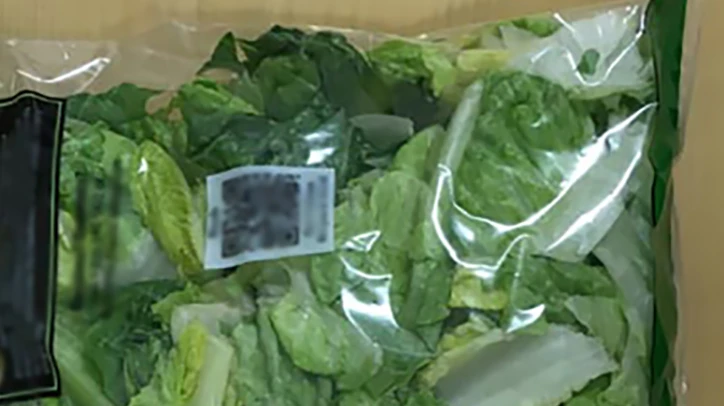
A new report published in the American Society for Microbiology's December issue of Applied and Environmental Biology shows that traces of juices released from salad leaves as they became damaged can significantly enhance Salmonella enterica salad leaf colonization.
While salad leaves are an important part of a healthy diet, in recent years, they have been associated with a growing risk of food poisoning from bacterial pathogens such as Salmonella enterica. The study shows that juices released from the cut-ends of the salad leaves enabled the Salmonella to grow in water, even when it was refrigerated. Additionally, exposure to the the salad juice helped the Salmonella cells attach to the salad leaves so strongly that washing could not remove them.
Over five days of refrigeration, even traces of juice within the salad bag fluids were shown to increase Salmonella growth in water by up to 280-fold over control cultures, and enhancing salad bag colonization
The study showed that exposure to salad leaf juice may contribute to the persistence of Salmonella on salad leaves, and strongly emphasizes the importance of ensuring the microbiological safety of fresh produce.
Latest from Quality Assurance & Food Safety
- FDA Releases Produce Regulatory Program Standards
- Invest in People or Risk the System: Darin Detwiler and Catalyst Food Leaders on Building Real Food Safety Culture
- USDA Proposes Increasing Poultry, Pork Line Speeds
- FDA Releases New Traceability Rule Guidance
- TraceGains and iFoodDS Extend Strategic Alliance
- bioMérieux Launches New Platform for Spoiler Risk Management
- SafetyChain Receives SOC 2 Type 2 Certification
- Puratos Acquires Pennsylvania-Based Vör Foods