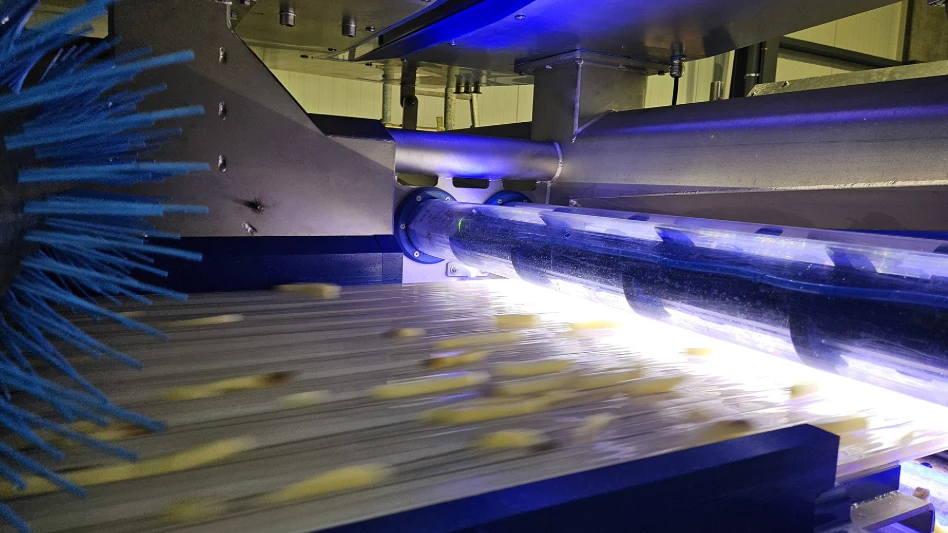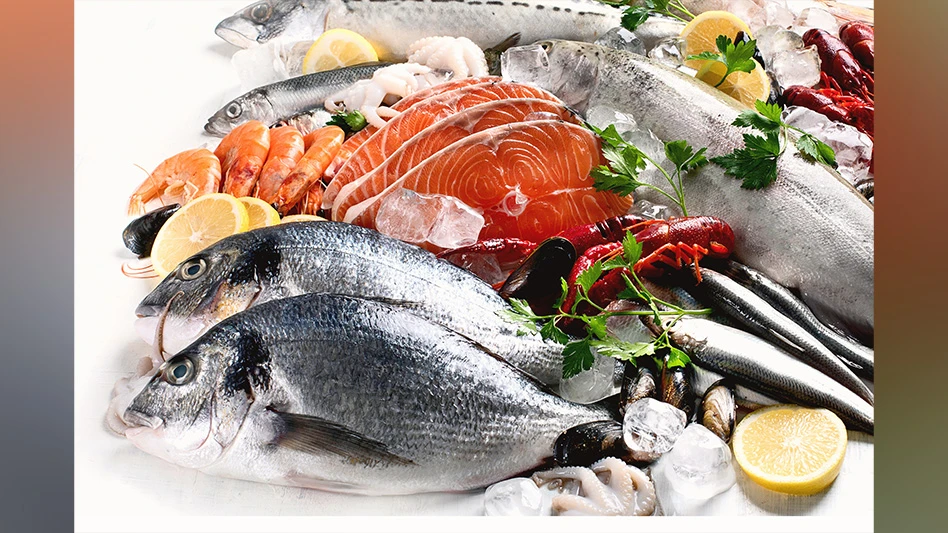
A new survey of Americans in the refrigerated and frozen food industry indicates strong appreciation for the roles high pressure processing (HPP) plays in producing safe foods with cleaner labels and longer shelf lives. HPP is a rapidly growing non-thermal food preservation process that inactivates harmful bacteria and spoilage organisms right within product packages. The online industry survey was commissioned by Universal Pasteurization Company, an HPP outsourcing service provider for food and beverage producers.
More than half of the survey respondents (59%) were familiar with HPP, and 57% characterized their companies’ use of the technology as growing or substantial. Almost no one indicated any level of dissatisfaction with HPP within their organizations. Survey takers believed their retail and food service customers were usually favorably disposed to HPP, but were often unaware if or when it was being utilized.
The most recognized benefits of HPP were its abilities to (1) make food safer by killing pathogens and (2) extend shelf life. Both scored, on average, above a 4 on a 5-point scale. Other benefits cited include (in descending order) the ability to:
- pasteurize products within their packaging;
- preserve nutrients within the food; develop cleaner-labels;
- reduce food waste.
When asked about potential barriers to HPP adoption, respondents cited the cost of equipment and cost of service as top concerns. Some respondents also acknowledged that HPP wasn’t compatible with their type(s) of food.
“The survey results demonstrated that refrigerated and frozen food manufacturers greatly approve of HPP and the ways it can benefit their products,” said Mark A. Duffy, CEO of Universal Pasteurization Company and Universal Cold Storage. “It aligns with other research that suggests that HPP is the most promising food technology over the next decade, and echoes the excitement we heard for the technology at the recent HPP Summit. Still, it’s clear that there’s room for improvement when it comes to expanding awareness for HPP within the larger supply chain.”
The survey was conducted in September and October 2016. Roughly one-third of respondents came from companies that produce meat, poultry and seafood (33.3%), another third came from juice or beverage firms (29.8%), and the remainder were from other companies, including those that make wet salads/dips/sauces, dairy products, soups and various, other ready-to-eat foods.
Latest from Quality Assurance & Food Safety
- FDA Releases Produce Regulatory Program Standards
- Invest in People or Risk the System: Darin Detwiler and Catalyst Food Leaders on Building Real Food Safety Culture
- USDA Proposes Increasing Poultry, Pork Line Speeds
- FDA Releases New Traceability Rule Guidance
- TraceGains and iFoodDS Extend Strategic Alliance
- bioMérieux Launches New Platform for Spoiler Risk Management
- SafetyChain Receives SOC 2 Type 2 Certification
- Puratos Acquires Pennsylvania-Based Vör Foods