Adobe Stock | Peter Hermes Furian
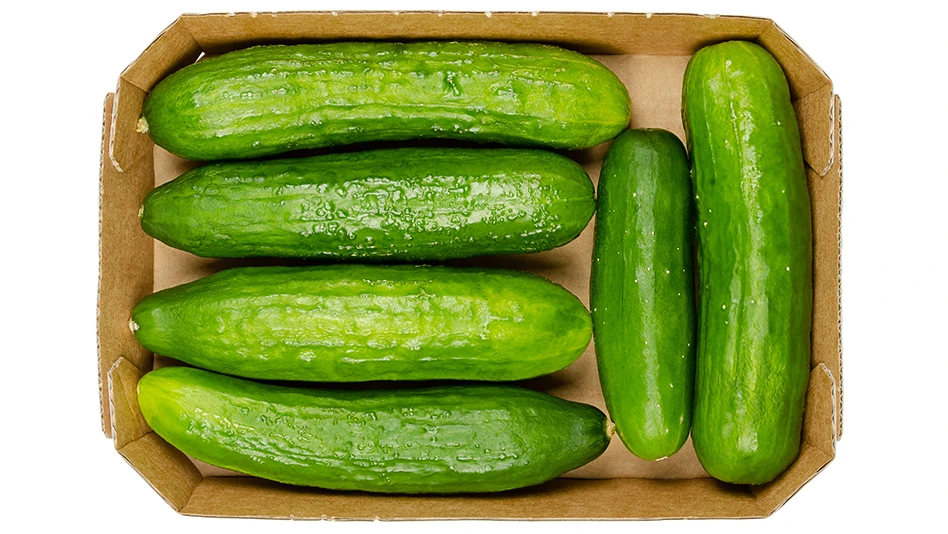
The FDA and CDC are investigating illnesses in a multistate outbreak of Salmonella Montevideo infections linked to cucumbers grown by Bedner Growers in Boynton Beach, Fla., and distributed by Fresh Start Produce Sales of Delray, Fla.
As part of a follow-up inspection in April, FDA investigators collected an environmental sample from Bedner Growers that was positive for Salmonella and matched recent clinical samples from ill people by whole genome sequencing analysis.
The recent follow-up inspection was in response to the 2024 Salmonella Africana and Salmonella Braenderup outbreaks linked to cucumbers grown at Bedner Growers. FDA’s traceback investigation has identified Bedner Growers as the common grower of cucumbers in this current outbreak.
As of May 16, 26 people infected with the outbreak strain of Salmonella Montevideo have been reported from 15 states. Of the 23 people for whom information is available, nine have been hospitalized. Of the 13 people interviewed, 11 (85%) reported eating cucumbers.
The cucumbers were distributed to retailers, distribution centers, wholesalers and food service distributors from April 29 to present. Cucumbers distributed before this timeframe should be past shelf life and should no longer be available on the market, said FDA.
Cucumbers may have been sold individually or in smaller packages, with or without a label that may not bear the same brand, product name or best by date, said the agency. For distributors, restaurants and retailers who have purchased these cucumbers, the products were labeled as either being “supers,” “selects” or “plains.”
Contaminated product is available at both restaurants and retail locations. FDA said it is working to determine where potentially contaminated product was distributed.
Restaurants, retailers and distributors that purchased potentially contaminated cucumbers between April 29 and May 19 should notify customers of the potential health concern, said FDA.
Retailers that have or had potentially contaminated product should clean and sanitize any areas that could have come into contact with potentially contaminated products. If potentially contaminated cucumbers were sold in bulk bins or displays, retailers should discard the contents of the bins and use extra care to clean and sanitize the bins before refilling.
Retailers that are unsure if they received this product may need to contact their supplier, said FDA. If you are unable to determine whether or not potentially contaminated product was received, you should discard the contents of the bins and use extra care to clean and sanitize the bins before refilling, said the agency.
Consumers may be contacted by their retailers if they received cucumbers potentially grown by Bedner Growers. If you cannot tell if your cucumber was grown by Bedner Growers, throw it away, said FDA. When eating out over the next week, ask if cucumbers were from Bedner Growers or Fresh Start Produce Sales, the agency recommended.
Consumers, restaurants and retailers who purchased or received potentially contaminated products, including wholesale products, should carefully clean and sanitize any surfaces or containers that it touched. Follow FDA’s safe handling and cleaning advice to reduce the risk of cross-contamination.
Contact your healthcare provider if you think you may have symptoms of a Salmonella infection after eating potentially contaminated cucumbers. Illness usually occurs within 12 to 72 hours after eating food that is contaminated with Salmonella, and the symptoms usually last four to seven days. Symptoms include diarrhea, fever and abdominal cramps. Children younger than five, the elderly and people with weakened immune systems are more likely to have severe infections.
Latest from Quality Assurance & Food Safety
- FDA Releases New Traceability Rule Guidance
- TraceGains and iFoodDS Extend Strategic Alliance
- bioMérieux Launches New Platform for Spoiler Risk Management
- SafetyChain Receives SOC 2 Type 2 Certification
- Puratos Acquires Pennsylvania-Based Vör Foods
- Key Technology Introduces New ADR X for Potato Strips
- FAO Releases Report on Fish Fraud
- Oracle Offers New Capabilities in Supply Chain and Manufacturing