Courtesy FDA
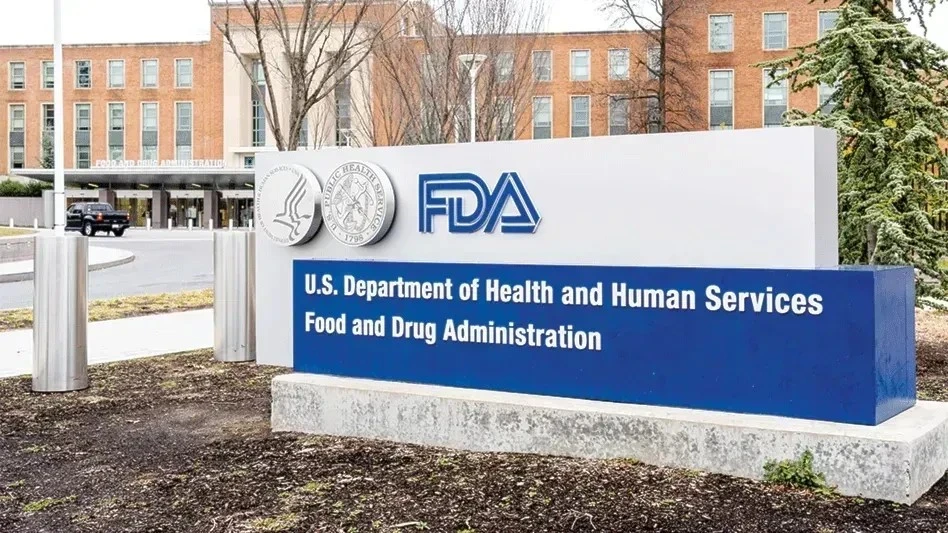
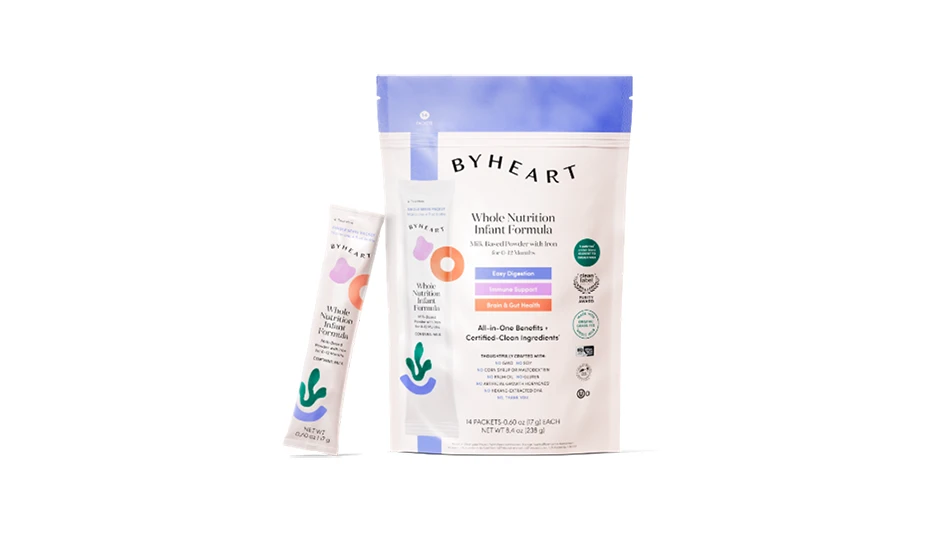
More cases of infants with botulism have been reported as the U.S. Food and Drug Administration (FDA), Centers for Disease Control and Prevention (CDC), California Department of Public Health (CDPH), Infant Botulism Treatment and Prevention Program (IBTPP), and other state and local partners continue to investigate the multistate outbreak linked to ByHeart Whole Nutrition infant formula.
As of Nov. 14, 23 infants with suspected or confirmed infant botulism and confirmed exposure to ByHeart Whole Nutrition infant formula (various lots) have been reported from 13 states. Laboratory confirmation for some cases is ongoing.
For 22 cases with illness onset information available, illnesses started on dates ranging from Aug. 9 to Nov. 11. All 23 infants were hospitalized. No deaths have been reported. The 22 infants with age and sex information available range from 16 to 200 days old, and 10 (45%) are female.
Epidemiologic and laboratory data show that ByHeart Whole Nutrition infant formula might be contaminated with Clostridium botulinum, which is causing infant illness in multiple regions of the country, said FDA. Cases have been reported in Arizona, California, Illinois, Kentucky, Michigan, Minnesota, North Carolina, New Jersey, Oregon, Pennsylvania, Rhode Island, Texas and Washington.
As part of the investigation, officials in several states have collected leftover infant formula for testing. On Nov. 8, preliminary laboratory results reported by the California Department of Public Health suggest the presence of the bacteria that produce botulinum toxin in an open can of ByHeart infant formula that was fed to an infant with infant botulism.
Additional testing is underway, and results are expected in the coming weeks, said FDA. Detection of Clostridium botulinum in infant formula is difficult, the agency said, and a negative test result does not rule out the presence of the bacteria in the product.
FDA’s investigation, including onsite inspections and sample collection, is ongoing to determine the point of contamination. This advisory will be updated as information becomes available.
Latest from Quality Assurance & Food Safety
- WHO to Release New Foodborne Disease Estimates for World Food Safety Day
- Ajinomoto Foods Recalls Products Due to Potential Glass Contamination
- Grubhub Introduces Drone-Powered Food Delivery Program
- FSIS Releases 2025 Foodborne Illness Outbreak Investigations Report
- EWG Analysis Flags 111 Ingredients Added to Foods Through GRAS
- FDA Releases Risk Assessment of Foodborne Illness from Produce with Untreated BSAAO
- Catalyst Food Leaders Announces 2026 Virtual Leadership Summit
- FDA to Hold Public Meeting on Dietary Supplements