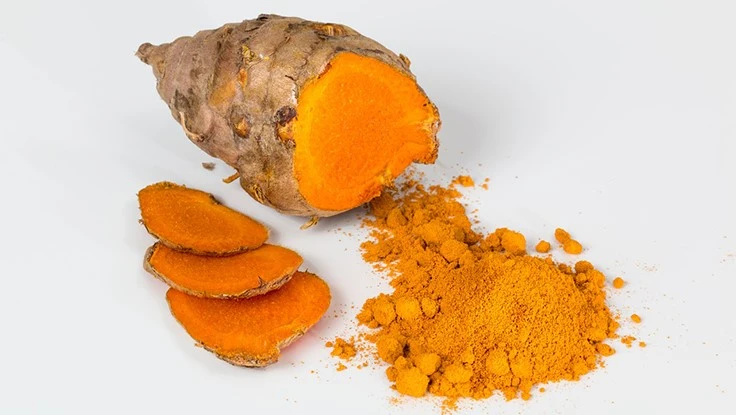
Dietary supplements are hugely popular; 68% of Americans take them at least once per week, according to a recent Consumer Reports (CR) survey. But, the organization said, people may not always be getting what they think they are. When CR tested samples of two botanicals, turmeric and echinacea, its experts discovered issues with the purity and potency. More than a third of them included elevated levels of lead and bacteria, as well as low levels of key active compounds, CR said.
CR’s survey also reveals a disconnect between how much trust Americans place in the safety and effectiveness of supplements versus what is supported by studies and research. Unlike prescription and over-the-counter drugs, manufacturers are not required to demonstrate to the government that their products are safe and effective before they are sold. But nearly half (48%) erroneously believe they are tested by FDA; 38% believe they are safer than prescription or OTC drugs.
Read the full report at Consumer Reports.
Latest from Quality Assurance & Food Safety
- Director General of IICA and Senior USDA Officials Meet to Advance Shared Agenda
- EFSA and FAO Sign Memorandum of Understanding
- Ben Miller Breaks Down Federal Cuts, State Bans and Traceability Delays
- Michigan Officials Warn Recalled ByHeart Infant Formula Remains on Store Shelves
- Puratos USA to Launch First Professional Chocolate Product with Cultured Cocoa
- National Restaurant Association Announces Federal Policy Priorities
- USDA Offloads Washington Buildings in Reorganization Effort
- IDFA Promotes Andrew Jerome to VP of Strategic Communications and Executive Director of Foundation