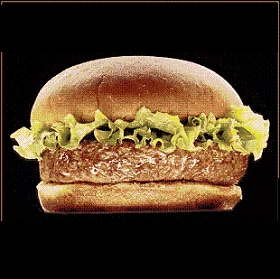
The UK’s Food Standards Agency (FSA) published details of a proposed new approach to the preparation and service of rare (pink) burgers in food outlets. Published Aug. 28, FSA’s look at how businesses can meet this consumer demand while ensuring public health remains protected was prompted by the increased popularity of burgers served rare.
The FSA’s long-standing advice has been that burgers should be cooked thoroughly until they are steaming hot throughout, the juices run clear, and there is no pink meat left inside. However, the FSA recognizes the steadily increasing trend in the preparation and sale of rare gourmet burgers in catering outlets. When the FSA Board meets September 9, they will consider the range of controls businesses should take into account when they are considering serving rare burgers.
These controls should be in place throughout the supply chain and businesses will need to demonstrate to their local authority officer that the food safety procedures which they implement are appropriate. Examples of some of these controls are:
- Sourcing the meat only from establishments which have specific controls in place to minimize the risk of contamination of meat intended to be eaten raw or lightly cooked.
- Ensuring that the supplier carries out appropriate testing of raw meat to check that their procedures for minimizing contamination are working.
- Strict temperature control to prevent growth of any bugs and appropriate preparation and cooking procedures.
- Providing consumer advice on menus regarding the additional risk from burgers which aren’t thoroughly cooked.
The proposals are contained in a board paper, subject to approval by the FSA Board at its September meeting. Following the board decision, FSA will work closely with local authorities and the food industry to assess whether there is a need for further guidance in this area.
“We are clear that the best way of ensuring burgers are safe to eat is to cook them thoroughly but we acknowledge that some people choose to eat them rare,” said FSA Chief Scientific Adviser and Professor Guy Poppy. “The proposals we will be discussing with the FSA board in September strike a balance between protecting public health and maintaining consumer choice.”
In places where people eat out, the food industry is able to implement strict controls for burgers which are intended to be eaten rare, and this helps to minimize the risk of people getting ill. However, the advice for cooking burgers at home remains to cook thoroughly all the way through until no pink meat.
Latest from Quality Assurance & Food Safety
- Director General of IICA and Senior USDA Officials Meet to Advance Shared Agenda
- EFSA and FAO Sign Memorandum of Understanding
- Ben Miller Breaks Down Federal Cuts, State Bans and Traceability Delays
- Michigan Officials Warn Recalled ByHeart Infant Formula Remains on Store Shelves
- Puratos USA to Launch First Professional Chocolate Product with Cultured Cocoa
- National Restaurant Association Announces Federal Policy Priorities
- USDA Offloads Washington Buildings in Reorganization Effort
- IDFA Promotes Andrew Jerome to VP of Strategic Communications and Executive Director of Foundation