Major U.S. foodmakers are quietly investigating how to rid their containers of Bisphenol A (BPA), a chemical under scrutiny by federal regulators concerned about links to a range of health problems, including reproductive disorders and cancer.
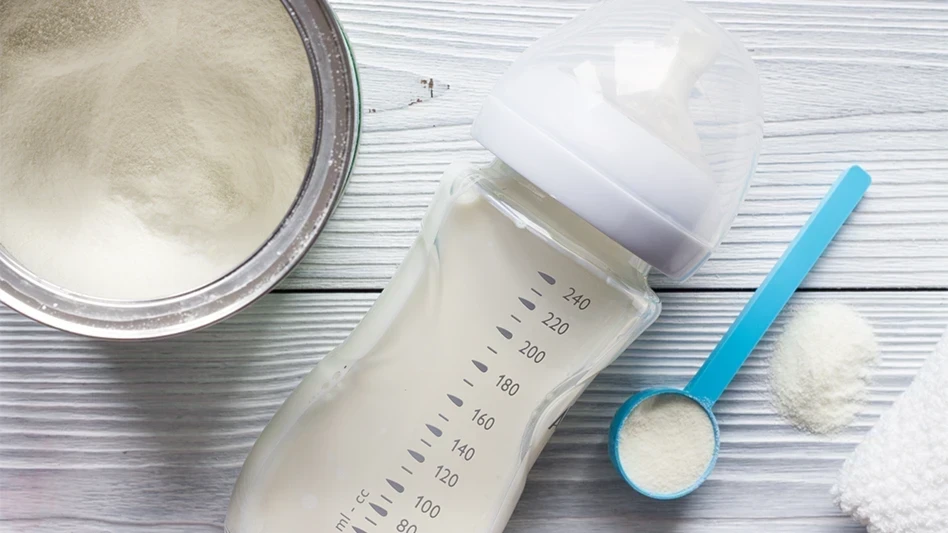
But they are discovering how complicated it is to remove the chemical, which is in the epoxy linings of nearly every metal can on supermarket shelves and leaches into foods such as soup, liquid baby formula and soda. It is a goal that is taking years to reach, costing millions and proving surprisingly elusive, says an article in the Washington Post.
The article describes the efforts of two food processors who have made costly switches to BPA-free can linings, only to have trace amounts of the chemical still found in their foods. Questions are arising as to whether it is possible to eliminate the chemical from foods.
The Environmental Protection Agency has declared the daily safe BPA exposure limit at 50 mg per kilogram of body weight, a level set in the 1980s. But a growing body of peer-reviewed research in the past decade has suggested that very low levels -- below the federal threshold -- might be responsible for health problems. BPA is a synthetic version of estrogen, and scientists disagree about whether it causes lasting effects by triggering subtle cellular changes.
The food industry’s efforts to reduce the use of BPA began even before the FDA announced last month that it had reversed its position and is concerned about the safety of BPA. The chemical is used in thousands of consumer goods, including compact discs, dental sealants and credit card and ATM receipts, and government studies estimate that the chemical has been found in the urine of more than 90 percent of the population.
Although makers of plastic bottles found polypropylene to be a quick and relatively simple BPA substitute, canned-food makers are having considerably more trouble. Foodmakers say that some alternative linings disintegrate, reducing a product's shelf life. Other linings can't withstand the high heat applied to certain canned products to kill bacteria. Still others interfere with taste.
Read the full story at Washington Post.
Latest from Quality Assurance & Food Safety
- Director General of IICA and Senior USDA Officials Meet to Advance Shared Agenda
- EFSA and FAO Sign Memorandum of Understanding
- Ben Miller Breaks Down Federal Cuts, State Bans and Traceability Delays
- Michigan Officials Warn Recalled ByHeart Infant Formula Remains on Store Shelves
- Puratos USA to Launch First Professional Chocolate Product with Cultured Cocoa
- National Restaurant Association Announces Federal Policy Priorities
- USDA Offloads Washington Buildings in Reorganization Effort
- IDFA Promotes Andrew Jerome to VP of Strategic Communications and Executive Director of Foundation