Adobe Stock | Rudi
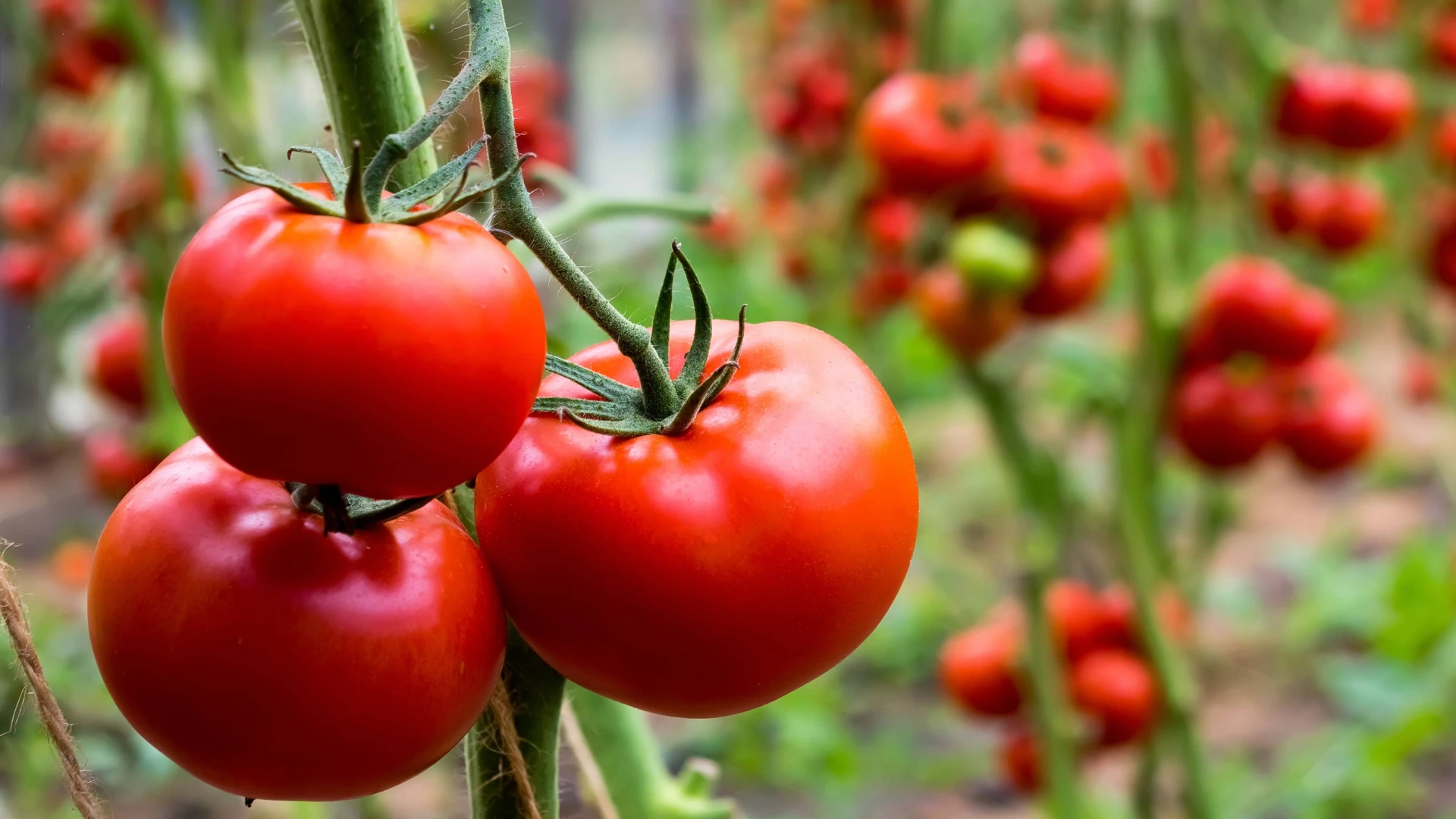
WASHINGTON — Tomatoes are an important economic and nutritional crop, but they are vulnerable to stresses from extreme weather and disease, which puts food security and farmers’ profits at risk.
The Foundation for Food & Agriculture Research (FFAR) is providing a Seeding Solutions grant to fund a $2,063,835 collaborative project led by the Boyce Thompson Institute (BTI), in partnership with Meiogenix, to harness wild tomatoes’ genetic diversity to improve cultivated tomato varieties. The research focuses on resistance to drought and early blight disease, two significant challenges facing tomato growers worldwide.
The project combines advanced genomic technologies with pioneering breeding approaches. The team is screening hundreds of wild tomato species to identify those with exceptional drought tolerance or early blight resistance. BTI is constructing a pangenome — a comprehensive genetic map that captures all genetic variations across tomato species. Once identified, Meiogenix will apply its targeted recombination technology, which directs genetic recombination to specific genomic locations to transfer the genetic variants supporting drought tolerance and blight resistance from wild tomatoes to cultivated tomatoes.
“A single tomato genome doesn't capture the full extent of genetic diversity,” said primary investigator Zhangjun Fei, professor and genomics expert at BTI. “Our pangenome approach will help us identify structural variants – large DNA differences between wild and cultivated tomatoes — that are responsible for valuable traits.”
“Traditional breeding with wild relatives is challenging because you bring many undesirable traits along with the beneficial ones,” said Ricardo Garcia de Alba, CEO of Meiogenix. “Our technology allows for more precise transfers of just the beneficial genetic variants, dramatically speeding up the breeding process.”
“This project demonstrates how public-private partnerships can accelerate the translation of scientific discoveries into practical solutions for food production,” said Dr. Kathy Munkvold, FFAR scientific program director. “Using the rich genetic diversity of wild relatives will help us develop tomatoes that are more resilient to stress, resource efficient for farmers and widely available for consumers.
Enhancing drought tolerance in tomatoes will reduce water use, which is crucial for agriculture, as water scarcity affects approximately 80% of farmlands. Improved resistance to early blight will reduce reliance on chemical fungicides.
Latest from Quality Assurance & Food Safety
- FDA Relaxes Rules on ‘No Artificial Colors’ Claims
- Danone Receives IDFA's Workplace of the Year Award
- Barnwell Bio Raises $6 Million to Scale Metagenomic Biosurveillance System
- ChemDAQ Introduces Continuous Monitoring Solution to Help Food and Beverage Processors Manage PAA Exposure
- AFDO Streamlines Retail HACCP Approvals with Review Service
- Sally Flowers of AFDO Discusses Origins of Retail HACCP Plan Review Service
- IDFA Recognizes 2026 Laureate Award Recipients
- FDA, Alliance to Stop Foodborne Illness to Co-Host Food Safety Culture Webinar Feb. 18