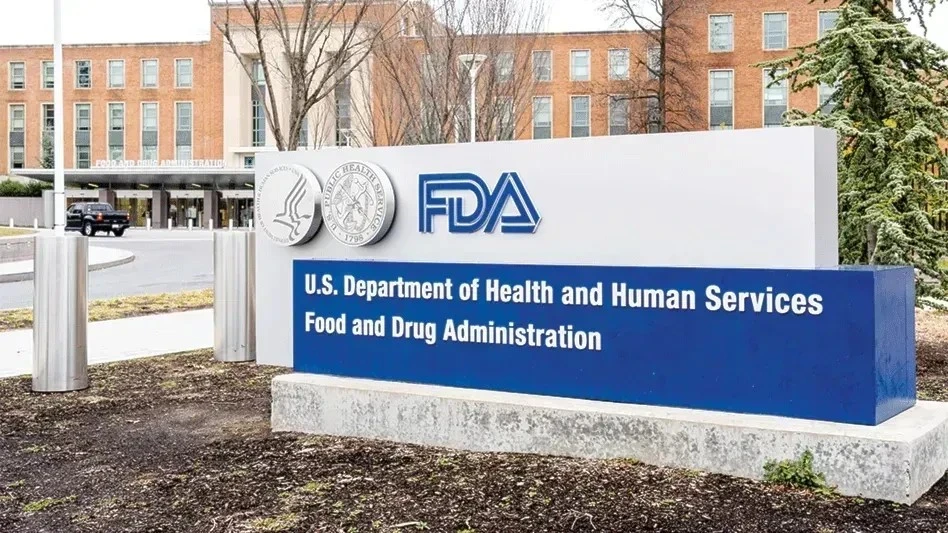
The U.S. Department of Health and Human Services (HHS) and U.S. Food and Drug Administration (FDA) announced a series of new measures to phase out all petroleum-based synthetic dyes from the nation’s food supply.
The FDA will establish a national standard and timeline for the food industry to transition from petrochemical-based dyes to natural alternatives.
The agency said it will initiate the process to revoke authorization for two synthetic food colorings — Citrus Red No. 2 and Orange B — within the coming months.
The FDA will also work with industry to eliminate six remaining synthetic dyes — FD&C Green No. 3, FD&C Red No. 40, FD&C Yellow No. 5, FD&C Yellow No. 6, FD&C Blue No. 1 and FD&C Blue No. 2 — from the food supply by the end of next year.
The agency said it will authorize four new natural color additives in the coming weeks, while accelerating the review and approval of others.
FDA will partner with the National Institutes of Health (NIH) to conduct research on how food additives impact children’s health and development.
The agency is requesting food companies remove FD&C Red No. 3 sooner than the 2027-2028 deadline previously required.
“For too long, some food producers have been feeding Americans petroleum-based chemicals without their knowledge or consent,” said HHS Secretary Robert F. Kennedy Jr. “These poisonous compounds offer no nutritional benefit and pose real, measurable dangers to our children’s health and development. That era is coming to an end. We’re restoring gold-standard science, applying common sense and beginning to earn back the public’s trust. And we’re doing it by working with industry to get these toxic dyes out of the foods our families eat every day.”
The FDA is fast-tracking the review of calcium phosphate, Galdieria extract blue, gardenia blue, butterfly pea flower extract and other natural alternatives to synthetic food dyes. The agency is also taking steps to issue guidance and provide regulatory flexibilities to industries.
“Today, the FDA is asking food companies to substitute petrochemical dyes with natural ingredients for American children as they already do in Europe and Canada,” said FDA Commissioner Marty Makary, M.D. “We have a new epidemic of childhood diabetes, obesity, depression and ADHD. Given the growing concerns of doctors and parents about the potential role of petroleum-based food dyes, we should not be taking risks and do everything possible to safeguard the health of our children.”
In partnership with the NIH Nutrition Regulatory Science and Research Program, the FDA said it will enhance nutrition and food-related research to better inform regulatory decisions.
The decision to phase out all petroleum-based synthetic dyes follows FDA's January ban of Red. No. 3 dye in food and ingested drugs.
INDUSTRY REACTIONS. The Institute of Food Technologists released a statement in response to FDA's announcement, raising the issue of a lack of scientific consensus to support such a decision.
"The move, which follows numerous recent state-level food dye bans, reflects growing consumer and public concern over our food supply despite the ongoing food dye safety evaluations, usage recommendations and approvals by various global regulatory and standards organizations, including the Codex Alimentarius Commission and the European Union,” said Bryan Hitchcock, chief science and technology officer, Institute of Food Technologists. “While there is lack of scientific consensus to support such a move — food dyes are generally considered low risk for the broad population, dependent on dietary and consumption patterns — additional research is needed to better understand the impact of artificial food dyes on specific subgroups, including various life stages including pregnancy, birth to 24 months and aging.
“It is important to have a clear regulatory framework at the national level, and it is clear the FDA is elevating their engagement at a fast pace to, in part, satisfy consumer desire for a healthier food system. Leveraging science to understand complex and nuanced issues must play a prominent role in creating that healthier food framework.”
Consumer Reports, which has advocated for eliminating food dyes, said the FDA’s goal is laudable, but the plan could take years to achieve. The organization urged states to continue to adopt their own bans to ensure consumers are protected and warned that recent staff and budget cuts at HHS could undermine the agency’s ability to carry out this effort.
“It’s encouraging to see the FDA working towards a ban on synthetic food dyes, but this multistep plan relies on voluntary industry efforts that will simply prolong the amount of time it will take to get dangerous dyes out of our food,” said Brian Ronholm, director of food policy at Consumer Reports. “We need an enforceable ban on harmful synthetic food dyes. States should continue to act on legislation to remove toxic chemicals and dyes from food. Consumers shouldn’t have to wait and rely on this industry to act voluntarily after years of resistance.
“Synthetic food dyes provide no nutritional benefit but pose neurological problems to some children. These dangerous dyes don’t belong in our food, especially since safer alternatives are readily available. Banning these dyes will protect the public and prompt manufacturers to switch to safer ingredients they already use in the products they sell in Europe and many countries.”
Latest from Quality Assurance & Food Safety
- Ajinomoto Foods Recalls Products Due to Potential Glass Contamination
- Grubhub Introduces Drone-Powered Food Delivery Program
- FSIS Releases 2025 Foodborne Illness Outbreak Investigations Report
- EWG Analysis Flags 111 Ingredients Added to Foods Through GRAS
- FDA Releases Risk Assessment of Foodborne Illness from Produce with Untreated BSAAO
- Catalyst Food Leaders Announces 2026 Virtual Leadership Summit
- FDA to Hold Public Meeting on Dietary Supplements
- USDA Partners with Army Corps on New World Screwworm Sterile Fly Production Facility