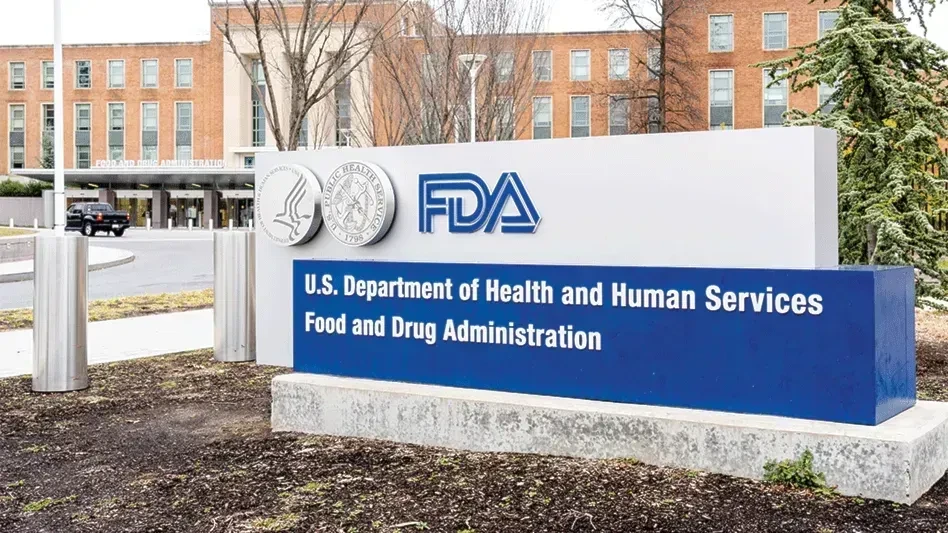
The U.S. Food and Drug Administration (FDA) announced that it will expand unannounced inspections at foreign manufacturing facilities that produce foods, essential medicines and other medical products intended for American consumers and patients. This change builds upon the agency’s Office of Inspection and Investigations Foreign Unannounced Inspection Pilot program in India and China and aims to ensure that foreign companies will receive the same level of regulatory oversight and scrutiny as domestic companies.
“For too long, foreign companies have enjoyed a double standard — given advanced notice before facility inspections, while American manufacturers are held to rigorous standards with no such warning,” said FDA Commissioner Martin A. Makary, M.D., M.P.H. “That ends today. This is a key step for the FDA as part of a broader strategy to get foreign inspections back on track.”
In addition, the FDA will evaluate the agency’s policies and practices for improvements to the foreign inspection program to ensure that the FDA is the “gold standard” for regulatory oversight, said the agency. These changes will include clarifying policies for FDA investigators to refuse travel accommodations from regulated industry, including lodging and transportation arrangements (taxi, limousine and for-hire vehicle transit), to maintain the integrity of the oversight process.
The FDA conducts approximately 12,000 domestic inspections and 3,000 foreign inspections each year in more than 90 countries. While U.S. manufacturers undergo frequent unannounced inspections, foreign firms have often had weeks to prepare, undermining the integrity of the oversight process, said FDA. Despite the advanced warning that foreign firms receive, the FDA reported that it found serious deficiencies more than twice as often as during domestic inspections.
Only in specific programs and cases are the FDA’s domestic inspections pre-announced to assure that appropriate records and personnel will be available during the inspection, said FDA. But regulated companies do not have the authority to negotiate the day or time of the inspection — nor should foreign companies have the capability to do so either, said the agency.
Unannounced inspections will also help expose bad actors — those who falsify records or conceal violations — before they can put American lives at risk, said FDA. The agency is authorized to take regulatory action against any firm that seeks to delay, deny or limit an inspection or refuses to permit entry for an unannounced drug or device inspection.
“The FDA’s rigorous, science-based global inspections of manufacturing facilities ensure that the food and drug products that enter the U.S. marketplace, and the homes of American consumers, are safe, trusted and accessible,” said FDA Assistant Commissioner for Inspections and Investigations Michael Rogers. “These inspections provide real-time evidence and insights that are essential for making fact-based regulatory decisions to protect public health.”
Every FDA inspection goes through a classification assignment process to enable an appropriate regulatory response, said the agency. Even inspections that yield a “No Action Indicated” provide regulatory intelligence that strengthens the safety net for American consumers, the FDA said.
Latest from Quality Assurance & Food Safety
- IFT Webinar to Examine the Impact of GLP-1s on Product Design and Development
- SQF Institute Announces Excellence Awards Finalists
- WorkForge Expands Food Safety Training Platform
- Stop Foodborne Illness Petitions FDA to Name Brands Tied to Foodborne Illness Outbreaks
- Thrive Market Adds Alpha-Gal Filter
- State Agriculture Departments Ask USDA to Allow Local Meat Processors to Access Additional Markets
- Perten Opens Process NIR Center of Excellence in Stockholm
- FDA Launches Reassessment of Food Preservative BHA