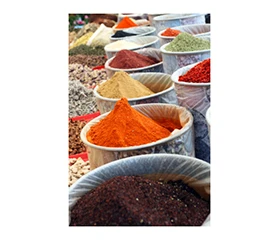
Americans feasting on meals seasoned with imported spices may be getting more than they bargained for: animal feces, insect parts, disease-causing bacteria, and other foreign contaminants.
A report released Oct. 30 from the Food and Drug Administration estimates that about 12 percent of imported spices are adulterated by filth, a rate almost two times higher than that of other FDA-imported food shipments received during the same time-frame.
Most spices consumed in the United States are imported with the exception of dehydrated onion, the agency notes.
The agency developed this new risk profile of spice imports after looking at data collected between 2007 and 2010. They found contamination with "filth adulterants" including animal excrement, insects (live and dead, whole or in parts), hair from humans, rodents and other animals, decomposed parts, and other materials like stones, twigs, staples, wood slivers, plastic, synthetic fibers and rubber bands.
The most common additions, in order, were insect fragments, whole/equivalent insects and animal hair. with insect parts, salmonella, hair.
Click here to read the entire article.
Source: CBS News
Latest from Quality Assurance & Food Safety
- Director General of IICA and Senior USDA Officials Meet to Advance Shared Agenda
- EFSA and FAO Sign Memorandum of Understanding
- Ben Miller Breaks Down Federal Cuts, State Bans and Traceability Delays
- Michigan Officials Warn Recalled ByHeart Infant Formula Remains on Store Shelves
- Puratos USA to Launch First Professional Chocolate Product with Cultured Cocoa
- National Restaurant Association Announces Federal Policy Priorities
- USDA Offloads Washington Buildings in Reorganization Effort
- IDFA Promotes Andrew Jerome to VP of Strategic Communications and Executive Director of Foundation