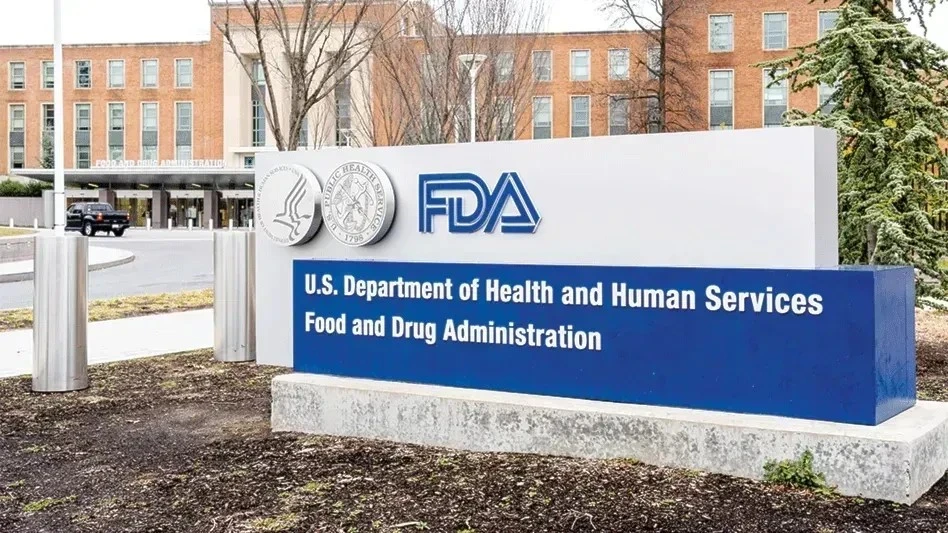
Courtesy FDA
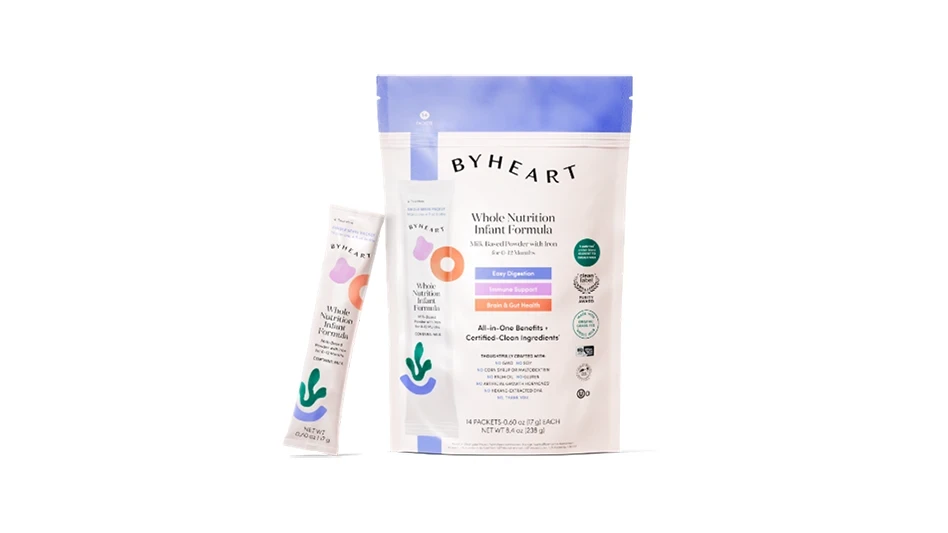
Last week, the U.S. Food and Drug Administration (FDA) sent warning letters to four major retailers — Target, Walmart, Kroger and Albertsons — for failing to remove recalled ByHeart infant formula from store shelves despite being notified of the recall. Recalled product has sickened and hospitalized 51 infants in a multistate botulism outbreak.
“These warning letters highlight a concerning problem with recall effectiveness at the retail level,” said the agency in a Dec. 15 statement. “Last year, the FDA sent a similar warning letter to a retailer who failed to adequately remove recalled lead-contaminated WanaBana apple cinnamon fruit puree pouches from its store shelves.”
FDA reminded industry of its legal responsibilities under the Federal Food, Drug, and Cosmetic Act regarding food recalls and called for industry to increase adoption of best practices in recall implementation, especially for recalls involving foods for one of the country’s most vulnerable populations — infants and young children.
In the weeks following the manufacturer's voluntary recall of ByHeart infant formula products, FDA investigators and state and local partners checked retail stores across the U.S. over 4,000 times to ensure recalled product was not available to consumers. The agency found that recalled infant formula continued to be sold on store shelves — for over three weeks, in one case — in more than 175 locations across 36 states.
“Food safety is a shared responsibility, and it is of utmost importance that all parties in the supply chain act swiftly and vigilantly to protect our nation’s children from unsafe food,” said FDA Commissioner Marty Makary.
When a food is recalled, every industry member along the supply chain plays an important role in carrying out the recall, said FDA. Retailers play a crucial role in the last step of the supply chain by ensuring that recalled products are immediately removed and not available to consumers at their stores. The agency said it is concerned with these retailers’ capability to quickly remove unsafe products from store shelves and ensure they remain off shelves as required during a public health emergency.
FDA asked the four retailers to respond to the warning letters within 15 days, stating the specific steps they have taken to address any violations and prevent the recurrence of violations or providing reasoning and supporting information as to why the company believes it is not in violation of the law.
The FDA said it has not received reports of recalled formula being found on store shelves since Nov. 26.
Latest from Quality Assurance & Food Safety
- WHO to Release New Foodborne Disease Estimates for World Food Safety Day
- Ajinomoto Foods Recalls Products Due to Potential Glass Contamination
- Grubhub Introduces Drone-Powered Food Delivery Program
- FSIS Releases 2025 Foodborne Illness Outbreak Investigations Report
- EWG Analysis Flags 111 Ingredients Added to Foods Through GRAS
- FDA Releases Risk Assessment of Foodborne Illness from Produce with Untreated BSAAO
- Catalyst Food Leaders Announces 2026 Virtual Leadership Summit
- FDA to Hold Public Meeting on Dietary Supplements