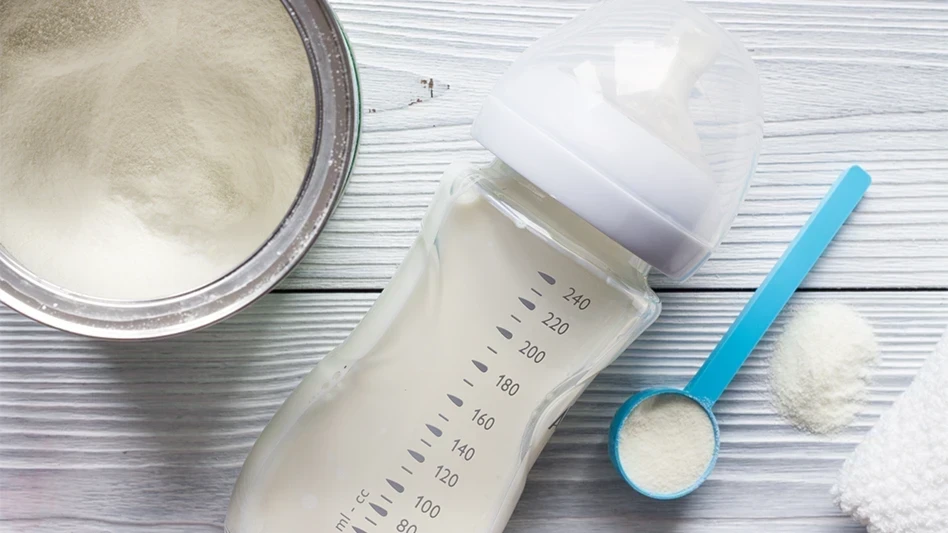
A draft document released Friday by the U.S. Food and Drug Administration declares that a chemical commonly found in baby bottles and aluminum can linings is safe.
The document comes on the heels of several conflicting reports by national and international agencies released this year on the safety of the chemical, bisphenol A (BPA).
It was immediately embraced by industry scientists, who commended the federal agency’s “thorough analysis,” and condemned by environmental groups that questioned the timing of the report’s release and its reliance on industry funded studies.
Hundreds of studies conducted by government and independent academic have shown that BPA causes breast cancer, testicular cancer, diabetes and hyperactivity in laboratory animals. It has been found in the urine of 93% of Americans tested.
The chemical was developed in 1891 as a synthetic estrogen but came into widespread use in the 1950s when scientists realized it could be used to make polycarbonate plastic and some epoxy resins to line food and beverage cans. More than 6 billion pounds of BPA are produced annually in the United States for use in an array of products, including dental sealants, baby bottles and compact discs.
Source: ASQ
Latest from Quality Assurance & Food Safety
- Director General of IICA and Senior USDA Officials Meet to Advance Shared Agenda
- EFSA and FAO Sign Memorandum of Understanding
- Ben Miller Breaks Down Federal Cuts, State Bans and Traceability Delays
- Michigan Officials Warn Recalled ByHeart Infant Formula Remains on Store Shelves
- Puratos USA to Launch First Professional Chocolate Product with Cultured Cocoa
- National Restaurant Association Announces Federal Policy Priorities
- USDA Offloads Washington Buildings in Reorganization Effort
- IDFA Promotes Andrew Jerome to VP of Strategic Communications and Executive Director of Foundation