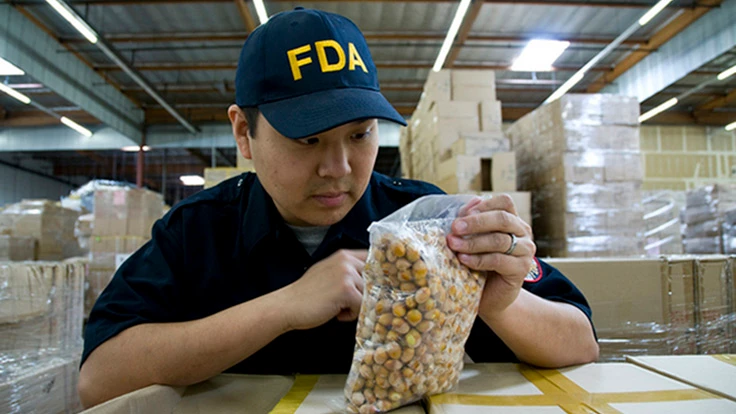
The FDA held public meetings in June 2016 in three strategic regions (California, Michigan and New Jersey) on the implementation of import safety programs under the FDA Food Safety Modernization Act (FSMA), including the Foreign Supplier Verification Programs (FSVPs), Accredited Third-Party Certification, and the Voluntary Qualified Importer Program (VQIP).
On Friday, the agency released a report on what importers and other interested parties had to say. The meetings were designed to assess the state of importer readiness, elicit feedback, ideas, and comments regarding FSMA programs, and identify training and outreach ideas that could be helpful in supporting industry compliance with FSVP requirements.
After listening to 350 importers, food producers, and foreign and industry association representatives, and analyzing data, FDA cited three major themes that emerged from the participants’ responses including:
- Members of industry want help in understanding what is required under the FSMA provisions, including clearer, concise information from the FDA.
- Small importers and food producers are at higher risk of failing to comply with FSVP.
- Importers will likely consider cost, return on investment and effort necessary to participant when deciding whether to sign up for VQIP, which will provide expedited clearance to qualified participants.
To see the full report, visit Report on Regional FSMA Import Safety Meetings
Latest from Quality Assurance & Food Safety
- Director General of IICA and Senior USDA Officials Meet to Advance Shared Agenda
- EFSA and FAO Sign Memorandum of Understanding
- Ben Miller Breaks Down Federal Cuts, State Bans and Traceability Delays
- Michigan Officials Warn Recalled ByHeart Infant Formula Remains on Store Shelves
- Puratos USA to Launch First Professional Chocolate Product with Cultured Cocoa
- National Restaurant Association Announces Federal Policy Priorities
- USDA Offloads Washington Buildings in Reorganization Effort
- IDFA Promotes Andrew Jerome to VP of Strategic Communications and Executive Director of Foundation