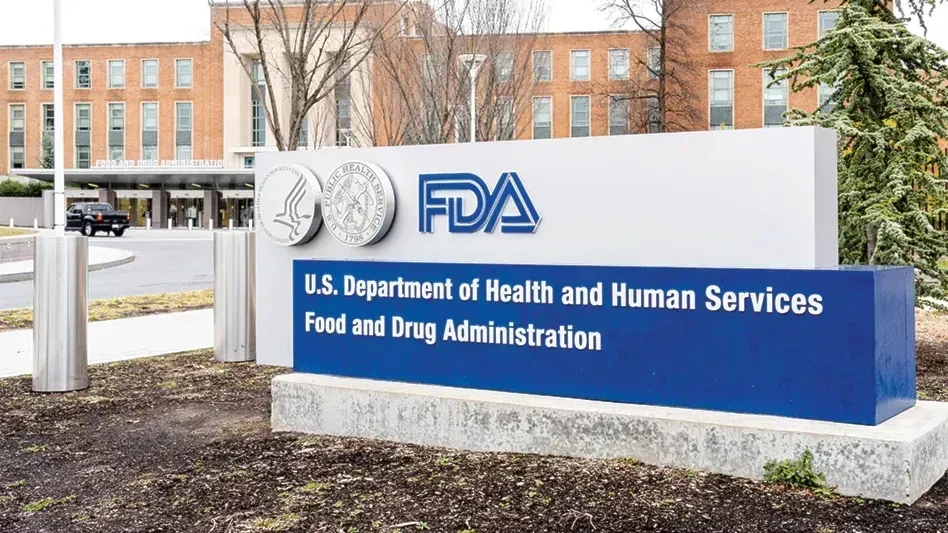
The U.S. Food and Drug Administration’s (FDA) Human Foods Program (HFP) released its priority deliverables for 2026, with a focus on chemical food safety, reducing diet-related chronic disease through nutrition and preventing microbiological contamination in foods.
The HFP aims to advance the mission, vision and implementation of its Make America Healthy Again agenda, said FDA in a Jan. 23 release.
In 2026, HFP will be guided by three risk pillars that FDA said are at the core of its work: prevent foodborne illness, reduce diet-related chronic disease and ensure chemicals in food are safe.
Planned activities include:
- Food Chemical Safety: Improving the safety of food ingredients by systematically reviewing and, where appropriate, banning additives from the food supply.
- Nutrition: Helping to reduce the prevalence of diet-related chronic disease by increasing transparency and empowering consumers to make informed choices through enhanced food labeling, such as front-of-package nutrition labeling; and expanding options for safe, reliable and nutritious infant formula for American families through Operation Stork Speed initiatives.
- Microbiological Food Safety: Enhancing food safety by advancing strategies and best practices for preventing contamination in human foods, strengthening protection by leveraging state oversight to complement FDA’s resources and improving transparency of FDA’s regulatory and enforcement decisions.
HFP is publishing its proposed 2026 guidance agenda to increase transparency of the program’s work and processes, enhance food safety and empower consumer nutrition choices, said FDA, including the following public health actions:
- Establishing action levels for cadmium and inorganic arsenic in infant and young children's foods, plus issuing guidance on preventive controls for chemical hazards.
- Issuing guidance to assist industry in implementing effective sanitation controls consistent with the Preventive Controls for Human Food rule.
- Issuing guidance to assist with food labeling for online grocery store platforms to give consumers access to nutrition information wherever they shop.
Throughout the year, the agency said it intends to provide periodic updates on its progress on these initiatives.
Latest from Quality Assurance & Food Safety
- USDA Partners with Army Corps on New World Screwworm Sterile Fly Production Facility
- FSIS Deputy Administrator Denise Eblen Retires
- USDA Terminates Paper and Packaging Research and Promotion Program
- ASI Unveils New Global Identity as Kiwa ASI
- FDA and Partners Release Findings from California Longitudinal Study
- Director General of IICA and Senior USDA Officials Meet to Advance Shared Agenda
- EFSA and FAO Sign Memorandum of Understanding
- Ben Miller Breaks Down Federal Cuts, State Bans and Traceability Delays