FDA
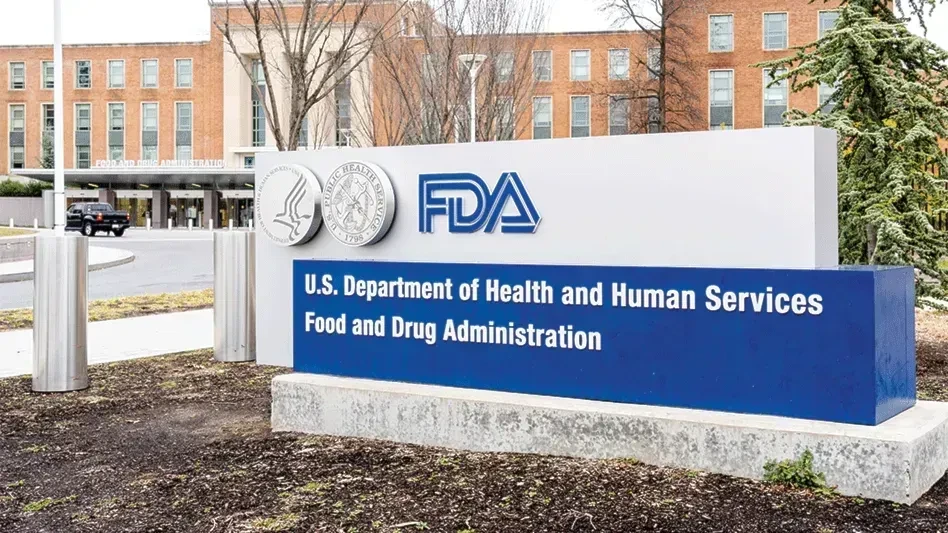
The U.S. Food and Drug Administration (FDA) launched Elsa, a generative artificial intelligence (AI) tool designed to help employees — from scientific reviewers to investigators — work more efficiently.
The tool is intended to modernize agency functions and leverage AI capabilities to better serve the American people, said the agency.
“Following a very successful pilot program with FDA’s scientific reviewers, I set an aggressive timeline to scale AI agency-wide by June 30,” said FDA Commissioner Marty Makary, M.D., M.P.H. “Today’s rollout of Elsa is ahead of schedule and under budget, thanks to the collaboration of our in-house experts across the centers.”
Built within a high-security GovCloud environment, Elsa offers a secure platform for FDA employees to access internal documents while ensuring all information remains within the agency, said FDA. The models do not train on data submitted by regulated industry, safeguarding the sensitive research and data handled by FDA staff.
“Today marks the dawn of the AI era at the FDA with the release of Elsa,” said FDA Chief AI Officer Jeremy Walsh. “AI is no longer a distant promise but a dynamic force enhancing and optimizing the performance and potential of every employee. As we learn how employees are using the tool, our development team will be able to add capabilities and grow with the needs of employees and the agency.”
The agency is using Elsa to accelerate clinical protocol reviews, shorten the time needed for scientific evaluations and identify high-priority inspection targets.
Elsa is a large language model–powered AI tool designed to assist with reading, writing and summarizing. It can summarize adverse events to support safety profile assessments, perform faster label comparisons and generate code to help develop databases for nonclinical applications, said the agency.
The introduction of Elsa is the initial step in the FDA’s overall AI journey, the agency said. As the tool matures, the agency plans to integrate more AI in different processes, such as data processing and generative-AI functions to further support the FDA’s mission.
Latest from Quality Assurance & Food Safety
- GrubMarket Raises $50 Million for eCommerce and AI Transformation
- Violet Foods Acquires Muir Glen Brand
- Eco-Products to Launch Environmentally Responsible Packaging in the UK
- New FARE Campaign Features Food Allergy Parent Tia Mowry
- FDA Relaxes Rules on ‘No Artificial Colors’ Claims
- Danone Receives IDFA's Workplace of the Year Award
- Barnwell Bio Raises $6 Million to Scale Metagenomic Biosurveillance System
- ChemDAQ Introduces Continuous Monitoring Solution to Help Food and Beverage Processors Manage PAA Exposure