Adobe Stock | Nitr
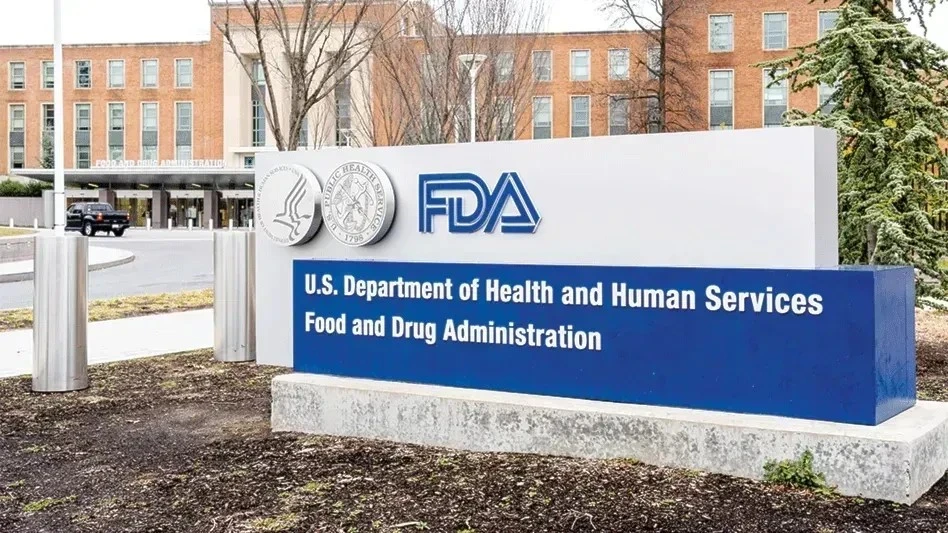
The U.S. Food and Drug Administration (FDA) issued a proposed rule Aug. 5 to amend a more than 60-year-old Standard of Identity (SOI) for pasteurized orange juice. This ties into the agency’s ongoing actions to review its portfolio of more than 250 SOI “to make sure they are useful, relevant and serve consumers in the best possible way,” said the agency.
The FDA said the proposed rule will promote honesty and fair dealing for consumers and provide flexibility to the food industry. It would reduce the minimum Brix requirement (a measurement that indicates the sugar content of a liquid) from 10.5% to 10%.
The FDA is taking this action in response to a citizen petition submitted by the Florida Citrus Processors Association and Florida Citrus Mutual in 2022.
The FDA established an SOI for pasteurized orange juice in 1963 to protect the interests of consumers and reflect their expectations for orange juice, the agency said. That standard set forth requirements for ingredients, manufacturing, juice content specifications and labeling, as well as the minimum Brix level of 10.5%.
However, the Brix level for Florida oranges has been steadily declining over the past few decades due to severe weather and a bacterial disease called “citrus greening,” making it challenging to meet the minimum Brix established in the SOI, said FDA. To meet FDA’s current requirements, some manufacturers have imported high-Brix orange juice from abroad.
The FDA said it expects that lowering the minimum Brix to 10% is unlikely to affect the taste of orange juice and will have a minimal impact on nutrients found in the juice.
Commenters will have 90 days to submit comments. Information on how to submit a comment can be found here.
Latest from Quality Assurance & Food Safety
- Ajinomoto Foods Recalls Products Due to Potential Glass Contamination
- Grubhub Introduces Drone-Powered Food Delivery Program
- FSIS Releases 2025 Foodborne Illness Outbreak Investigations Report
- EWG Analysis Flags 111 Ingredients Added to Foods Through GRAS
- FDA Releases Risk Assessment of Foodborne Illness from Produce with Untreated BSAAO
- Catalyst Food Leaders Announces 2026 Virtual Leadership Summit
- FDA to Hold Public Meeting on Dietary Supplements
- USDA Partners with Army Corps on New World Screwworm Sterile Fly Production Facility