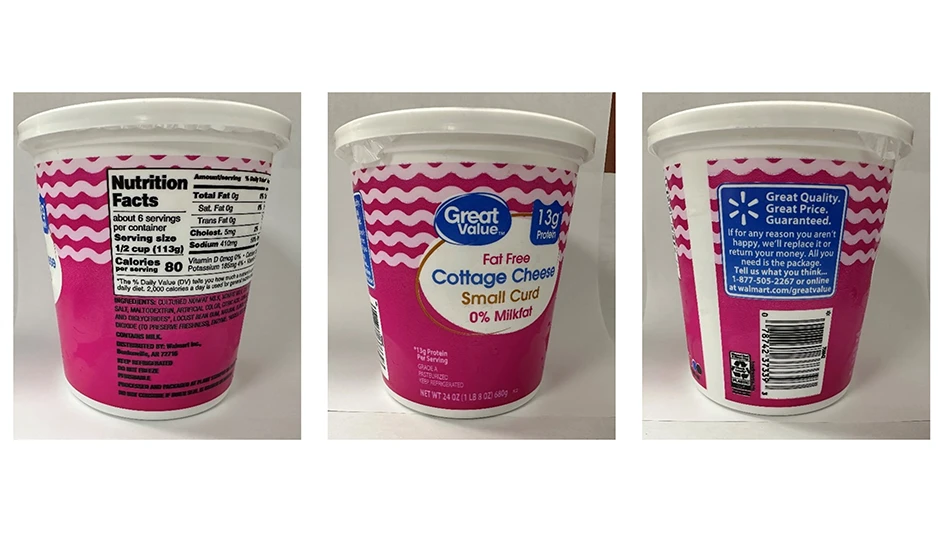
In response to questions and comments from the food industry, other federal agencies and academia, the U.S. Food and Drug Administration is providing information on fortification of foods with essential nutrients.
Although there is no change to the FDA’s fortification policy, which was originally issued in 1980, the guidance, titled “Questions and Answers on FDA’s Fortification Policy,” addresses questions about the agency’s existing policy and compiles information on fortification of various foods in a single document.
Adding nutrients to specific foods is an effective way of maintaining and improving the overall nutritional quality of the food supply. However, indiscriminate fortification of foods could result in over- or underfortification in consumer diets and create nutrient imbalances in the food supply. It could also result in deceptive or misleading claims on certain foods.
Foods may be fortified to:
- correct a dietary insufficiency;
- restore nutrient levels to those prior to storage, handling, and processing;
- provide a balance of vitamins, minerals, and protein in proportion to the total caloric content of the food; or
- prevent nutrient inferiority in a food that replaces a traditional food in the diet.
The Q&A guidance is not binding by law except where specific regulations are cited, but is intended to help manufacturers that elect to add nutrients to food for human consumption.
Latest from Quality Assurance & Food Safety
- Director General of IICA and Senior USDA Officials Meet to Advance Shared Agenda
- EFSA and FAO Sign Memorandum of Understanding
- Ben Miller Breaks Down Federal Cuts, State Bans and Traceability Delays
- Michigan Officials Warn Recalled ByHeart Infant Formula Remains on Store Shelves
- Puratos USA to Launch First Professional Chocolate Product with Cultured Cocoa
- National Restaurant Association Announces Federal Policy Priorities
- USDA Offloads Washington Buildings in Reorganization Effort
- IDFA Promotes Andrew Jerome to VP of Strategic Communications and Executive Director of Foundation