The U.S. Food and Drug Administration has announced issuance of the first warning letter using the authority under the FDA Food Safety Modernization Act (FSMA) Final Rule on Foreign Supplier Verification Programs (FSVP) for Importers of Food for Humans and Animals.
Since 2017, FDA has been conducting FSVP inspections, with a primary focus on helping importers understand the requirements and how to take corrective actions if deficiencies are observed. Moving forward, FDA will take more steps to ensure compliance with FSVP, including reinspecting importers that had deficiencies in previous inspections and acting immediately when FSVP deficiencies are found that pose an imminent public health risk.
“Every year, there is an increase in imported foods to meet the demands of consumers across the U.S., making our oversight role even more significant in protecting the public health,” said FDA Acting Commissioner Ned Sharpless, M.D. “Recognizing this important role, and new tools available to the agency, several months ago we announced our new Strategy for the Safety of Imported Food (Import Strategy).”
The Import Strategy describes how FDA is integrating new import oversight tools provided by the FSMA with existing tools as part of a comprehensive approach to imported food safety, he explained, adding, “Implementation of the FSVP regulation, which places responsibility on importers to verify that their foreign suppliers are producing food that meets U.S. food safety standards, is a key element of the agency’ import strategy and is vital to our overall implementation of FSMA.”
The warning letter, which followed an FDA inspection conducted in response to a recent Salmonella outbreak and product recall, was issued to the Brodt Zenatti Holdings LLC in Jupiter, Fla., who imported tahini from the Israel-based manufacturer, Karawan Tahini and Halva. FDA investigators found Brodt Zenatti Holdings LLC to be in significant violation of the FSVP rule, which requires that importers perform certain risk-based activities to verify that food imported has been produced in a manner that meets applicable U.S. food safety standards.
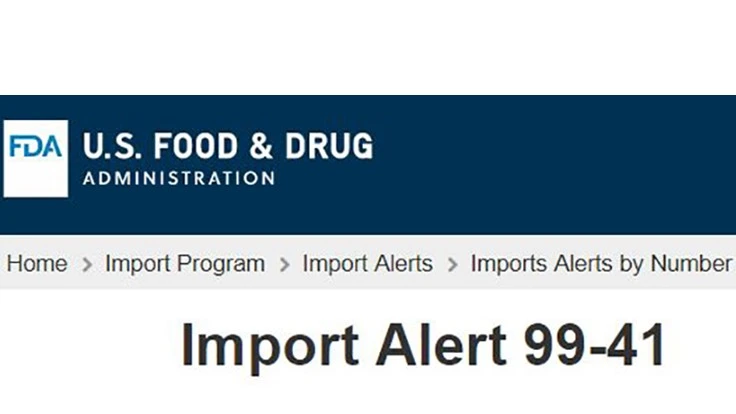
The warning letter asks that Brodt Zenatti Holding respond to the agency within 15 working days from receipt of the letter with plans to correct the violations or evidence they have been corrected. If Brodt Zenatti Holding fails to correct the violations, they may become subject to the newly established Import Alert #99-41: Detention without Physical Examination of Human and Animal Foods Imported from Foreign Suppliers by Importers Who Are Not in Compliance with the Requirements of the FSVP Regulation. Import Alert #99-41 may apply to any importer in violation of FSVP. In this case, the foreign supplier of the tahini involved in the outbreak is subject to a separate import alert. Karawan brand tahini is currently subject to Import Alert #99-19, Detention Without Physical Examination Of Food Products Due To The Presence Of Salmonella, and is subject to detention without physical examination.
Latest from Quality Assurance & Food Safety
- Director General of IICA and Senior USDA Officials Meet to Advance Shared Agenda
- EFSA and FAO Sign Memorandum of Understanding
- Ben Miller Breaks Down Federal Cuts, State Bans and Traceability Delays
- Michigan Officials Warn Recalled ByHeart Infant Formula Remains on Store Shelves
- Puratos USA to Launch First Professional Chocolate Product with Cultured Cocoa
- National Restaurant Association Announces Federal Policy Priorities
- USDA Offloads Washington Buildings in Reorganization Effort
- IDFA Promotes Andrew Jerome to VP of Strategic Communications and Executive Director of Foundation