FDA
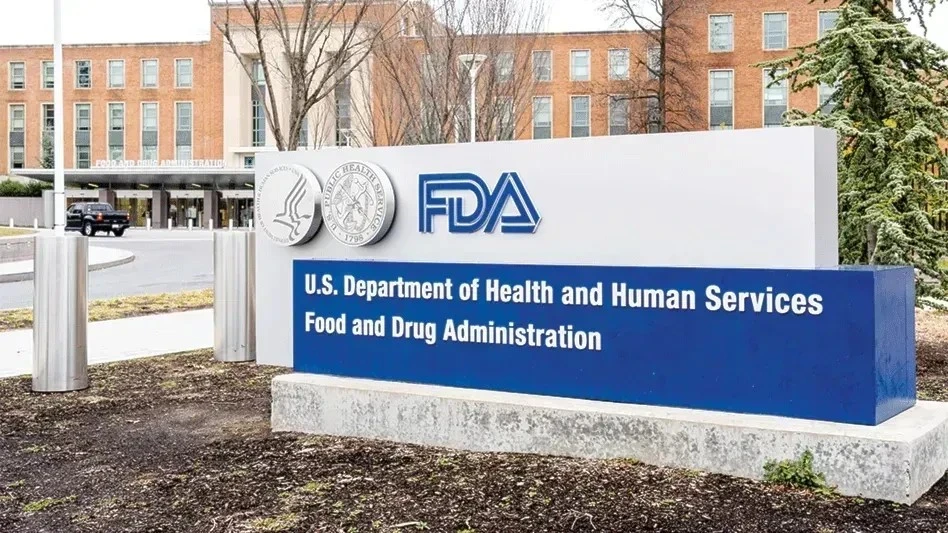
WASHINGTON, D.C. — The U.S. Food and Drug Administration announced that it is sharing initial findings from a multi-year environmental study conducted in California's Central Coast agricultural region that aims to inform efforts to further improve the safety of produce. The California Longitudinal Study was conducted in partnership with the Western Center for Food Safety at the University of California, Davis, the California Department of Food and Agriculture and regional agricultural stakeholders.
The Central Coast of California is farmed year-round and supplies a large volume of produce, which includes more than 400 commodities, FDA said. However, there have been periodic foodborne illness outbreaks associated with the region, including several that occurred between 2016 and 2020 caused by the same E. coli O157:H7 strain. This study sought to identify environmental factors that significantly contribute to the introduction, persistence and spread of foodborne pathogens that could contaminate produce prior to harvest. Increasing the understanding of the ecology of this growing region as it pertains to foodborne pathogens is to the benefit of consumers, producers, academia and food safety officials as it allows for continued improvement in best growing practices to enhance food safety, according to the agency.
The longitudinal study, which began in 2020, followed an adaptive research design in which sample collection matrices, sites and frequencies were continually assessed and refined. Through repeated sample collection, testing, measurement and analysis, the research team observed trends in pathogen presence in this region over time, providing information on prevalence, location and potentially influencing factors such as seasonality, weather conditions, and domesticated and wild animal activities on adjacent and nearby land, the agency reported.
Initial findings related to E. coli O157:H7 and other Shiga toxin-producing Escherichia coli (STEC) have been posted to the FDA’s California Longitudinal Study webpage and are summarized below:
Animal Sources of Contamination: Fecal samples from rangeland beef cattle, feral pigs, deer, birds and coyotes were frequent sources of STEC, FDA and partners found. Viable STEC was recovered from fresh and older, drier feces from livestock and wildlife found in the sampling area. These results suggest that STEC may remain viable in fecal material for extended periods.
Environmental Sources of Contamination: Surface waters and associated sediments may facilitate STEC persistence, and in the case of water, STEC movement in the region. STEC was not recovered in a substantial amount of soil or air samples, indicating that these are not likely impacting the spread of STEC in the region. However, STEC was observed in water and sediment from rivers and creeks, and to a lesser extent in irrigation tailwater and tailwater sediment (accumulations of field runoff from irrigation practices) collected at field edges.
STEC Diversity, Persistence and Movement: Twelve different E. coli O157:H7 strains were isolated from environmental samples; however, the strain responsible for outbreaks between 2016 and 2020 was not recovered, FDA said. STEC isolated from wildlife feces genetically matched strains from cattle feces, other wildlife feces, and in some cases, water, sediment and soil. Six different highly pathogenic STEC serotypes were identified and some strains of these serotypes persisted for nearly two years, the study found.
The agency said it will engage with stakeholders to further discuss the data and findings from this study and assist stakeholder efforts to develop practices to manage the risks posed by the potential sources of contamination. Additional information and publications will be added to FDA’s California Longitudinal Study webpage as they become available.
Latest from Quality Assurance & Food Safety
- Director General of IICA and Senior USDA Officials Meet to Advance Shared Agenda
- EFSA and FAO Sign Memorandum of Understanding
- Ben Miller Breaks Down Federal Cuts, State Bans and Traceability Delays
- Michigan Officials Warn Recalled ByHeart Infant Formula Remains on Store Shelves
- Puratos USA to Launch First Professional Chocolate Product with Cultured Cocoa
- National Restaurant Association Announces Federal Policy Priorities
- USDA Offloads Washington Buildings in Reorganization Effort
- IDFA Promotes Andrew Jerome to VP of Strategic Communications and Executive Director of Foundation